
Choosing the Right Low Brokerage Trading App in India
Looking for low brokerage trading apps in India? Discover key features, benefits, top apps, and tips to pick the best fit for your trading needs 📱💰🔒
Edited By
Isabella Green
In today's fast-moving financial markets, picking the right brokerage trading app matters a lot, especially when you want to keep your trading costs low. With so many options flooding the Indian market, it can be a maze trying to find an app that offers both affordability and reliability.
This article aims to break down what makes a brokerage app cheap yet effective. We'll look at how brokerage fees work, the sneaky hidden charges that might catch you off guard, and compare popular apps like Zerodha, Upstox, and 5paisa to figure out which truly deliver value.
Whether you're a seasoned trader or just starting out, understanding these details helps you avoid unnecessary expenses and get more bang for your buck. So let’s dive into the nuts and bolts of what to keep an eye on when choosing your trading platform.
Remember: The cheapest option on paper isn’t always the most cost-effective in the long run once you factor in service quality and hidden fees.
Grasping the nitty-gritty of brokerage charges is a must for anyone diving into trading through Indian apps. These charges directly chip away at your profits, so knowing exactly what's on your plate helps you avoid surprises and pick the right platform. For instance, a trader using Zerodha might pay a flat fee, while another on Angel One could face percentage-based charges — understanding those differences can mean the gap between a decent return and a loss.
The whole idea is to keep more of what you earn without compromising on service quality. Plus, being aware of all costs up front saves time and headache when monthly statements start rolling in. The goal here is to make the trading journey cost-efficient without missing out on good features or reliability.
Brokerage fees typically come in two flavors: fixed charges or a percentage of the trade value. Fixed brokerage means you pay the same amount no matter the trade size — say ₹20 per trade. This setup works wonders for big-ticket trades since the fee stays constant regardless of the transaction amount.
On the flip side, percentage-based brokerage scales with your trade size. So if you buy shares worth ₹10,000 and the fee is 0.1%, you pay ₹10. But for smaller trades, this can add up quickly. Traders who make frequent small trades need to be cautious here, as the costs may spiral out of control.
Understanding this difference is vital because if you’re a day trader making many small bets, a fixed fee model might burn a hole in your pocket. Meanwhile, long-term investors trading less often might prefer the simplicity of percentage-based charges.
Apart from brokerage, transaction fees come into play. They cover charges levied by exchanges like NSE and BSE for executing trades. Usually, these are small amounts but can add up over time. For example, every equity trade incurs a transaction charge ranging from 0.003% to 0.05% depending on the exchange and segment.
Knowing these fees upfront helps you calculate the total cost of trading. Some apps bundle these into their pricing, while others show them separately. Either way, you want to avoid nasty surprises that eat into your gains.
Beyond brokerage and transaction fees, other charges like Demat Participant (DP) fees and Securities Transaction Tax (STT) matter. DP charges come from your depository provider for holding or servicing your shares digitally. These might be annual or per-transaction fees and can vary significantly.
STT is a government levy paid on every buy or sell of securities. While this is non-negotiable and standard across brokers, it’s important to factor it in while estimating costs.
Tip: Always ask for a detailed fee breakdown before signing up; it can save you from hidden costs that quietly drain your wallet.
The impact of brokerage fees differs dramatically based on trade size. Consider this: paying ₹20 per trade on a ₹500 purchase means 4% fees, which is quite steep. However, the same ₹20 on a ₹20,000 trade and you’re down just 0.1%. This contrast shows why small traders need to pick apps with low or percentage-based fees, whereas large traders can benefit from fixed fees.
This difference often sways trading strategies. Small-time investors might batch orders or trade less frequently to keep costs in check, while heavy traders seek brokers offering capped fees.
A crystal-clear fee structure is more valuable than just low charges. Some apps might advertise zero brokerage but hit you with hefty account maintenance or withdrawal fees. Transparent pricing means you see everything up front — brokerage, transaction charges, and other fees — so you can do a proper apples-to-apples comparison.
Take Upstox, for example, which fairly lists all costs on their website, including hidden fees like call-and-trade charges. This kind of openness builds trust and guides you toward smarter decisions.
Being watchful here avoids nasty surprises and lets you plan your trades without second guessing your costs. Always scrutinize the fine print and, when in doubt, ask customer support directly.
Picking the right low-cost trading app isn't just about who charges the least in brokerage fees. It’s about a blend of various factors that together streamline your trading experience while keeping costs in check. Understanding these criteria will help you avoid surprises down the line and get more bang for your buck.
When looking at cheap brokerage apps, think about more than just upfront fees. Some apps lure you in with low charges but sneak in hidden costs. Others may be cheap but lack the tools needed for effective trading. A good balance of cost, functionality, and user-friendliness can make a huge difference, especially if you trade regularly.
The initial charges when opening and operating a trading account matter quite a bit. Some apps like Zerodha don’t charge any account opening fees, while others may charge anywhere from ₹300 to ₹500. These fees might seem small, but if you’re just starting or trading with small amounts, they add up.
Additionally, watch out for brokerage fees per trade. Does the broker charge a flat fee (say, ₹20 per trade) or a percentage based on the trade value? For example, Upstox offers a flat fee which can be a money-saver for high-volume traders compared to percentage-based charges that grow as your trade size increases. Always jot down the cost of each segment —equity delivery, intraday, futures, options—to compare apples to apples.
Maintenance fees come in various forms such as annual maintenance fees (AMC) for your Demat account or monthly platform charges. Angel One, for example, offers zero AMC for the first year, but you need to check what happens after that. Some platforms charge AMC flat yearly while others add small monthly fees that can sneak up.
Such charges can affect your profits quietly, especially if you keep your portfolio for a long period without much trading. Always read the fine print about AMC and service charges so you don’t get caught off guard with surprise deductions.
A trading app that’s complicated is like a leaky boat — you’ll struggle and likely lose more than money. Ease of navigation and clean design are crucial. Take Zerodha’s Kite platform, widely praised for its intuitive design that appeals to both beginners and veterans.
If you find an app cluttered with too many options or hard-to-understand charts, it could slow down your decision-making and cost you trades. Look for apps that make trade placement, order modification, and portfolio tracking quick and straightforward.
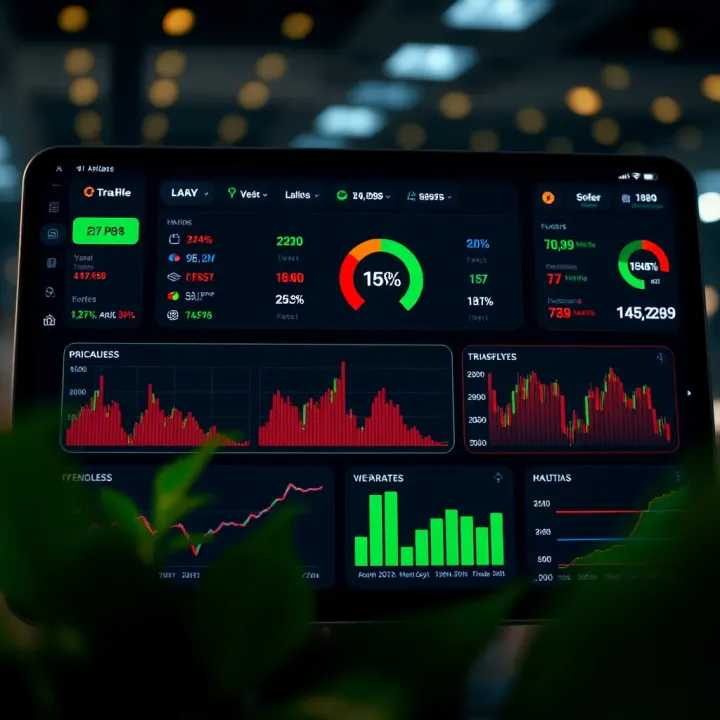
Good brokerage apps don’t just let you trade—they equip you to trade smarter. For example, Upstox provides access to advanced charting tools and real-time market data, which helps in making informed choices.
Also, check if the app offers educational content, news alerts, or expert recommendations. This kind of research support can be invaluable for new traders still learning ropes and even experienced investors aiming to catch trends early.
Do not forget: The cheapest app isn’t necessarily the best unless it matches your style and needs comprehensively.
By keeping a sharp eye on these factors—fees, hidden costs, user experience, and trading tools—you’ll make a choice that saves money and time while empowering your trading journey.
Choosing the right trading app isn't just about finding the cheapest broker; it's also about balancing costs with features that matter day-to-day. This section looks at some top discount brokers in India that offer low brokerage fees without skimping on value. Understanding these options helps investors and traders pick a platform that aligns with their budget and trading style.
Zerodha has been a game changer in India’s brokerage scene. It popularized the flat fee of ₹20 per trade or 0.03% (whichever is lower) across equity, commodity, and currency trades. This predictability in charges appeals to active traders who dislike surprise fees cropping up. Beyond cost, Zerodha’s Kite platform offers a smooth, clutter-free interface with useful tools like interactive charts and market depth views. For folks dipping their toes or seasoned traders alike, Zerodha strikes a good balance between price and functionality.
Upstox follows a similar pricing model, charging flat fees for intraday and F&O trades, making it attractive for traders focused on high volume but without wishing to pay per trade percentages. Upstox’s Android and iOS apps are known for quick order placement and lower latency, which some traders find crucial, especially in volatile markets. For example, active options traders often benefit from its rapid updates and easy toggling between market watchlists.
Angel One (formerly Angel Broking) mixes a discount brokerage approach with some full-service features, offering zero brokerage on equity delivery and flat fees on intraday trades. It’s ideal for investors wanting low costs but still requiring advisory services or research reports. Angel One’s mobile app has personalized portfolios and goal tracking — nice for someone wanting to monitor long-term investments as well as do short-term trading.
Brokerage charges vary slightly among these platforms but remain competitive. Zerodha and Upstox typically charge around ₹20 per trade for intraday and F&O, with no brokerage on equity delivery, making them best for active traders and buy-and-hold investors on a budget. Angel One offers zero brokerage on deliveries but has nominal fees for other segments, which suits a more mixed trading style.
Account opening process for all three has been streamlined to be fully online with digital KYC verification, allowing new users to start trading quickly. This seamless onboarding cuts down paperwork and waiting times, which is a relief compared to traditional methods.
Additional services differ slightly: Zerodha provides educational resources and an ecosystem of third-party apps, Upstox offers API access for algo traders, and Angel One features advisory calls and detailed reports alongside their tech. These extras might tip the scale depending on whether you prefer DIY trading or a bit of guidance alongside low-cost fees.
When picking a low-brokerage trading app, don’t just look at sticker price. Check whether the platform’s features, ease of use, and support fit your personal trading habits and goals.
This overview should help you zero in on which discount broker matches your needs, giving you a clearer idea of what to expect beyond just the headline brokerage charges.
Choosing a low-cost trading app in India isn't just about spotting the headline brokerage fees. Often, the real cost sneaks in through hidden charges and sneaky pitfalls. These can quickly eat into your profits and leave traders frustrated. Understanding these common charges upfront is key to avoiding unpleasant surprises. It also helps you compare apps more fairly and pick the one that truly offers the best value.
Many discount brokers offer zero brokerage on trading but forget to mention the regular fees for maintaining your demat account. These charges typically include annual maintenance fees (AMC) which might be around Rs. 300 to Rs. 500 per year. For example, while Zerodha offers competitive brokerage, you still pay an AMC for your demat account every year. Over multiple years, these fees add up and can be a silent drain on your investment returns.
If you prefer placing orders over the phone rather than using the app, many brokers levy "call and trade" charges. This fee can range from Rs. 20 to Rs. 50 per call. Sometimes, traders who are new or less tech-savvy might rely on this service without realizing the extra cost involved. It’s better to get comfortable using the app interface to avoid adding unnecessary expenses.
Inactive accounts—those with no trading or transactions for a fixed period—may be penalized by some brokers. The inactivity charges vary but can range between Rs. 100 to Rs. 300 per quarter. For someone who trades sporadically, this fee is basically paying just to keep the account alive. Awareness of this charge ensures you either plan your trading activity or choose an app that doesn’t penalize inactivity.
This sounds obvious but often gets overlooked. The small text in the terms and conditions holds a lot of information about extra charges or restrictions. For example, some brokers disclose exit fees or processing charges only in their detailed documents. Reading these carefully helps avoid nasty surprises later. Make it a habit to scan the fee schedule thoroughly before you sign up.
"Don’t just chase low brokerage; dig into the fine print — a rupee saved upfront might be lost tenfold in hidden fees."
Transparent customer service can be a lifesaver when you suspect hidden fees or face issues. Some low-cost brokers skimp on support, leaving customers stuck with unresolved doubts. Reliable brokers like Angel One or Upstox offer clear, helpful support channels through phone and chat. Test out the customer service before committing – a quick query about fees can reveal how upfront and responsive they are. Good support means less stress and fewer surprises down the line.
Keeping these hidden charges and transparency checks in mind can ensure you pick a genuinely cost-effective brokerage trading app. After all, the cheapest app on paper might not be the best deal if extra costs pile up or support is nonexistent.
When picking a budget trading app, regulatory compliance and security aren't just boxes to tick—they're the backbone that keeps your investments safe and legitimate. With so many low-cost options floating around, it's tempting to jump on the cheapest platform, but without proper regulation and strong security, traders could end up in hot water. These aspects foster confidence, ensuring that both your money and personal data won't vanish into the ether.
The Securities and Exchange Board of India (SEBI) plays a big role in shielding retail investors from bad actors in the market. First off, broker registration and licensing is a must—no trading app can legally operate without a SEBI license. This ensures that the brokerage meets certain standards regarding financial stability, transparency, and fairness. For example, Zerodha and Upstox are SEBI-registered brokers, offering assurance that your funds are held responsibly.
Another important layer is investor grievance mechanisms. SEBI mandates brokers to maintain transparent processes so users can raise complaints and get timely resolutions. Platforms like Angel One have dedicated grievance redressal systems, giving users a channel to resolve issues without running in circles. Always check if the brokerage app clearly mentions how you can contact customer care and escalate complaints. Without such mechanisms, you could be left struggling alone if things go south.
Security on trading apps should be as tight as Fort Knox. Here are key features to watch out for:
Data encryption: This is like putting your sensitive information in a sealed envelope before sending it over the internet. Top apps use strong encryption protocols (like SSL/TLS) to scramble your data, making it unreadable to hackers during transmission. Without this, chances of data breaches spike.
Two-factor authentication (2FA): Passwords alone can be cracked, but 2FA adds an extra lock. When you log in, the app sends a one-time code to your phone or email—if someone steals your password, they still can’t get in without this code. Many apps, including Zerodha's Kite, offer 2FA for added protection.
Regular audits: Think of audits as annual health check-ups for the app’s security systems. Independent firms examine the app’s code and infrastructure to spot vulnerabilities. A brokerage that publicly shares audit results (or mentions adherence to audit schedules) is more trustworthy, as they show commitment to ongoing security.
Keeping your money safe isn’t just about low fees; ensuring your chosen trading app follows strict compliance and robust security practices is just as essential. Neglecting this could lead to risks far costlier than brokerage charges.
In short, when selecting an affordable trading platform in India, make regulatory compliance and security non-negotiable. Verify the SEBI registration, check how the app handles grievances, and confirm the presence of data encryption, 2FA, and regular audits. These steps help avoid nasty surprises and protect your investments over the long haul.
Getting started with a low brokerage trading app is about more than just picking the cheapest option. It’s about setting yourself up for smooth, cost-effective trading without surprises. This section walks you through the practical steps—from opening your trading account to linking your finances and optimizing your app for a better trading experience. Think of it as laying a strong foundation so that your journey into stock markets doesn't hit any unnecessary snags.
Opening a trading account need not be a chore if you come prepared. Typically, you'll need:
A valid PAN card (mandatory for any financial transaction in India)
Aadhaar card for identity and address proof
A cancelled cheque or bank statement to verify your bank details
Passport-sized photographs
Proof of income (sometimes required, especially for derivatives trading)
Having these ready will speed things up and avoid last-minute scrambles. For instance, if you're applying through Zerodha, their app clearly lists these documents upfront, making the process straightforward. Without the right papers, expect delays or multiple back-and-forths.
Pro Tip: Scan all your documents clearly before starting the application to ensure easy uploading, especially when going the online route.
Nowadays, most trading apps like Upstox and Angel One offer fully online account opening. This is quicker and lets you finish the whole process—KYC, documentation, and payment—without stepping out.
Offline applications, though fading, still exist for those who prefer submitting physical forms at branch offices. This method can be slower and less convenient but might suit those less comfortable with digital tools.
Speed: Online accounts typically activate within 24-48 hours; offline might take a week or more.
Convenience: Online is 24/7 accessible, offline depends on branch timings.
Verification: Online uses e-KYC (via Aadhaar OTP), offline needs physical verification.
For most traders looking to save on brokerage, the online method is ideal—fast, simple, and compatible with all discount brokers.
Connecting your trading account with your bank is a crucial step that affects how seamlessly you can move funds for buying and selling.
Most apps require you to link a single bank account as your primary source of funds. It must be a savings or current account held in your name. This linkage enables instant fund transfers using methods like UPI or NEFT.
Avoid linking multiple bank accounts as it can complicate OTP authentication and delay transactions. Also, always verify your bank details twice before confirming to prevent money transfer issues.
For example, Zerodha allows linking your bank through the console dashboard where you input your IFSC and account number. The system might ask you to verify by sending a small test amount.
After setting up your account and linking your bank, it pays to spend a little time tweaking your app settings. Small adjustments here can save you time and reduce errors in trading.
Consider these:
Set up price alerts for stocks you follow to catch good entry points without being glued to the screen.
Enable two-factor authentication to add a security layer without compromising access speed.
Customize your dashboard to display your favorite stocks and watchlists upfront.
Explore notification settings to avoid spam but never miss critical updates like margin calls or order execution.
Remember, even the cheapest brokerage won’t help if you struggle with navigating the app or miss trading opportunities due to poor setup. Taking ten minutes to configure your app properly can make a significant difference.
By following these steps, new traders can confidently start using a low brokerage trading app while minimizing hassles related to account setup and fund management.
Maximizing the benefits of low-cost trading apps goes beyond just picking the one with the smallest brokerage fees. It's about adopting smart strategies and making full use of the app’s features to keep overall costs down while improving your trading outcomes. Knowing how to handle orders efficiently, for instance, can significantly cut down unnecessary charges. Plus, tapping into the app’s built-in tools like alerts and research can power up your decision-making, helping you stay ahead without emptying your pocket.
Instead of placing several small trades one after the other, batching involves grouping multiple trades together into a single order. This approach is practical because many trading apps charge brokerage fees per order, so consolidating your trades means you pay less in fees overall. For example, if you want to buy shares of five different companies, buying them all at once during a single session rather than separately can save you brokerage costs. Batching is especially useful for traders who deal with small volumes regularly, as it prevents fees from piling up bit by bit.
Making numerous small trades can quickly eat away at your profit margin due to cumulative fees. If you tend to buy or sell in tiny amounts very often, you could be paying brokerage multiple times unnecessarily. Instead, try to plan your trades, so you execute fewer orders but with more volume each time. This approach streamlines the fee structure and lessens the burden of transaction costs. Keeping an eye on your trade frequency and resisting the urge to overtrade can make a noticeable difference in your net gains.
Many trading apps provide customizable alerts for price changes, order execution, and market news. These notifications can act like your personal trading assistant, letting you react promptly to market movements without having to constantly monitor your screen. For instance, setting up an alert for a stock hitting your target price means you don’t miss the optimal trading window, helping you maximize profits or cut losses timely. Taking advantage of alerts reduces the risk of missed opportunities and saves you from reactive, costly decisions.
Low-cost trading apps often come equipped with built-in research reports, technical charts, and market analysis features. Using these tools can give you a clearer picture of market trends and stock performance without needing to subscribe to expensive services. For instance, Zerodha’s Kite platform offers technical indicators and detailed graphs right within the app, aiding traders in making informed decisions quickly. Leaning on these resources helps you avoid guesswork and enhances your trading strategy while keeping costs lean.
Tip: The best bang for your buck comes from combining cost-efficient trading with smart use of app features and thoughtful trading strategies. This way, you not only save on fees but also boost your chances of smarter, more profitable trades.
Looking for low brokerage trading apps in India? Discover key features, benefits, top apps, and tips to pick the best fit for your trading needs 📱💰🔒
Explore no brokerage trading apps in India 📱 Benefit from zero fees, understand risks ⚠️, compare platforms & choose the best app for your trades!
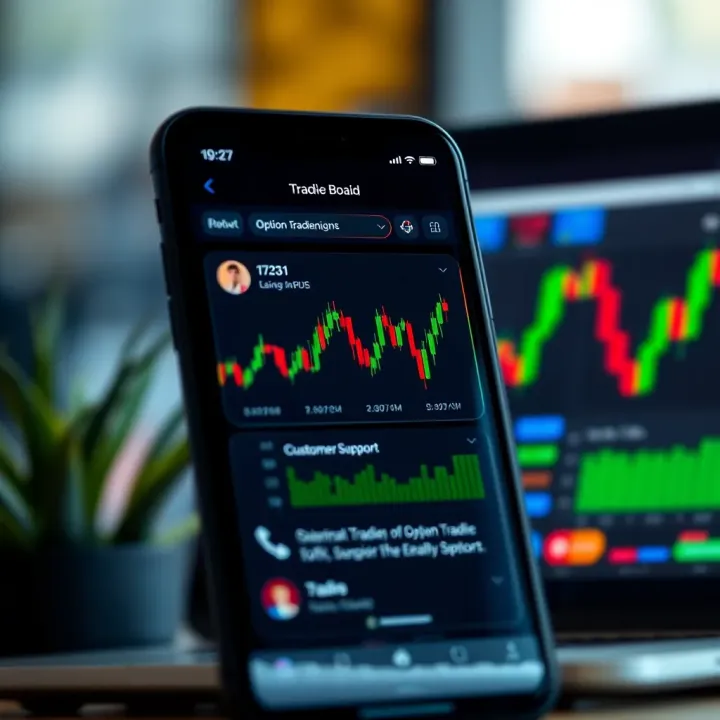
Find the best low brokerage option trading apps in India 📱 Compare fees, usability, security & support to boost your trading profits effectively 💹
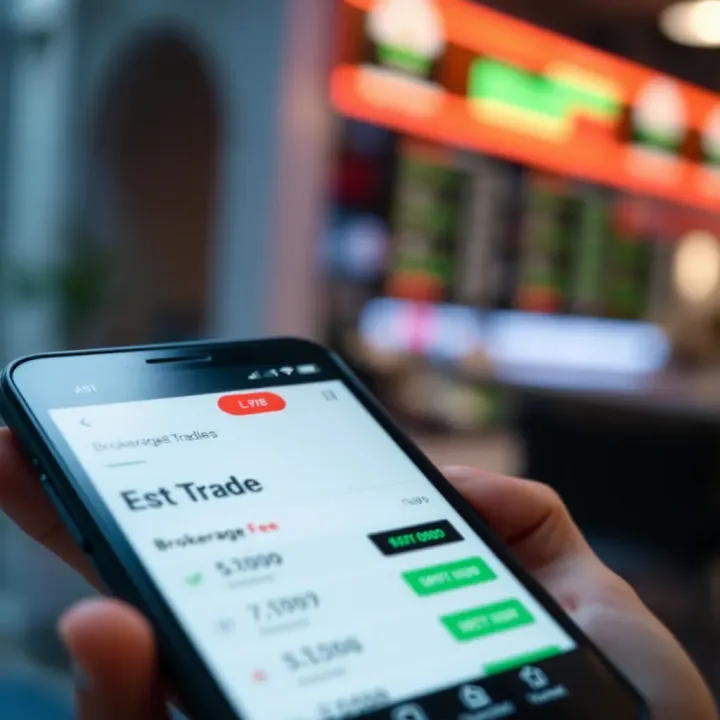
Discover the lowest brokerage charges on top Indian trading apps 📉 Compare fees & features to save more while trading smartly in India 🇮🇳
Based on 11 reviews