

Motivational Quotes from Millionaire Forex Traders
📈 Get inspired by motivational quotes from millionaire forex traders! Learn the mindset, discipline & strategies that can boost your trading journey today.
Edited By
Jessica Wright
Choosing the right forex broker can make or break your trading experience, especially in India where the market is dynamic and regulations evolving. For Indian traders, the broker acts as your gateway to global currency markets, so picking the right partner is essential. From transparency to technology, several factors demand your attention.
Most brokers offer access to major currency pairs like USD/INR, EUR/USD, and GBP/USD, but the variety beyond these differs. You should verify if the broker supports your preferred currencies or exotic pairs you want to trade.

Regulation plays a big role in safety. While the Reserve Bank of India (RBI) does not regulate forex brokers directly, SEBI (Securities and Exchange Board of India) oversight and adherence to anti-money laundering norms are critical. Many Indian traders use international brokers regulated by FCA (UK) or ASIC (Australia), as these ensure minimum standards for client protection.
Trading platforms are your daily tools. Popular platforms like MetaTrader 4 and 5 offer robust features and customisation. Some brokers provide web-based or mobile apps with features that suit beginners, such as easy charting and order execution. Before signing up, test the demo versions to see if the platform feels intuitive to you.
Fee structures vary—spread, commission, and overnight swap rates all impact profitability. Brokers with tight spreads but high commissions may suit high-frequency traders, while beginners may prefer zero-commission brokers with slightly wider spreads. Watch out for hidden costs, including withdrawal charges or inactivity fees.
Customer support quality should not be underestimated. A reliable broker offers prompt, clear help through multiple channels—phone, email, live chat—especially during volatile market hours.
Do not rush into decisions solely on attractive offers like high leverage or large bonuses. Indian traders must prioritise broker credibility and compliance above all.
To sum up, evaluating forex brokers in India requires attention to regulation, currency selection, platform usability, trading costs, and support. Understanding these key points helps you avoid common pitfalls and sets you on a path to more confident forex trading.
Choosing the right forex broker lays the groundwork for successful trading. It's not just about picking any platform with flashy features; understanding the criteria that matter keeps your investments safe and trading efficient. Indian traders, in particular, must weigh regulation, platform usability, fees, and more to avoid pitfalls.
First and foremost, ensure the broker holds a valid licence either from the Securities and Exchange Board of India (SEBI) or recognised international bodies like the Financial Conduct Authority (FCA) in the UK or the Commodity Futures Trading Commission (CFTC) in the US. SEBI-registered brokers comply with Indian laws and offer some recourse if disputes arise. However, many Indian traders also rely on international brokers regulated by reputed agencies, provided they meet global standards.
Checking regulatory status involves visiting official regulator websites to confirm the broker's licence details. This simple step can save you from fraudulent operators who claim legitimacy but do not have valid permits. For instance, a quick check against SEBI’s list of registered intermediaries or FCA’s public register helps weed out questionable names.
Regulation directly impacts trader safety by ensuring funds are protected, fair trading practices are followed, and clients’ interests are prioritised. Regulated brokers usually separate client funds from their own accounts, reducing the risk of misuse. This makes regulation an essential shield against scams in India’s growing forex market.
A broker’s trading platform is your primary tool on the forex battlefield. Popular platforms like MetaTrader 4 (MT4) and MetaTrader 5 (MT5) remain favourites because they offer robust charting, automated trading through Expert Advisors, and custom indicators. Some brokers also develop proprietary apps with intuitive interfaces tailored for Indian traders.
Crucial features to consider include diverse order types (stop loss, limit orders), multiple charting tools for technical analysis, and the ability to automate trades. For example, a trader who wants to set up a trailing stop for profit protection must ensure the platform supports it. Automation especially helps avoid emotional errors by executing trades based on rules you set.
Since many traders prefer trading on the go, mobile app performance matters. Look for apps that provide seamless switching between devices, real-time quotes, and efficient execution without delays. If you are commuting or travelling, a poor mobile experience can cause missed opportunities or losses.
Forex brokers typically charge via spreads or commissions. A fixed spread means the difference between buy and sell price remains steady, offering predictability, while variable spreads change with market volatility, potentially lowering costs during calm sessions but rising sharply in high volatility.
Some brokers charge only spreads, making them simpler to understand. Others add commissions per trade, which could be cheaper if spreads are tight. Indian traders should compare total costs under realistic trading volumes rather than just headline spreads or commissions.
Besides spreads and commissions, watch out for hidden charges like withdrawal fees or inactivity fees. For example, a broker may charge ₹200 per withdrawal after the first free one each month or deduct fees if you don’t trade for several months. These can eat into your profits if not considered upfront.

Selecting a broker without checking regulatory credentials, platform quality, and realistic costs is like sailing without a compass—risky and inefficient.
By focusing on these criteria, Indian traders can better navigate the forex market, finding brokers that balance safety, usability, and affordability effectively.
Choosing a forex broker means checking not only regulation or cost but also the variety of currency pairs and trading instruments offered. This range affects your ability to diversify your trades and respond to market opportunities. Essentially, the more options your broker provides, the better you can tailor your trading strategy.
A wide selection of currency pairs benefits traders by giving them flexibility and adaptability. For example, if the Indian Rupee (INR) is volatile, having access to several other pairs lets you spread risk or shift focus to more stable currencies. Moreover, it opens chances to catch price moves in less crowded markets where competition isn't so fierce, potentially increasing profits.
Indian traders often focus on major pairs like EUR/USD, GBP/USD, and USD/INR, given their liquidity and tighter spreads. These pairs provide lower transaction costs and better market depth, essential for both beginners and experienced traders. Additionally, pairs like USD/JPY and AUD/USD see frequent interest due to India’s economic ties and global trade links.
Exotic pairs involve currencies from emerging markets or smaller economies, such as USD/TRY (US Dollar/Turkish Lira) or USD/ZAR (US Dollar/South African Rand). They come with higher volatility and wider spreads, increasing profit possibilities but also risks. For Indian traders, engaging with exotics demands caution and solid risk management, as these pairs can rapidly swing on geopolitical or economic news from distant regions.
Many brokers offer Contracts for Difference (CFDs) and commodities alongside forex pairs. These instruments give traders access to markets beyond currencies, such as indices like the Nifty 50, stocks, gold, or crude oil. Diversifying in this way can protect your portfolio if currency markets underperform.
Including CFDs and commodities in your trading strategy means you must understand their unique behaviours and market drivers. For instance, crude oil prices often react to geopolitical tensions differently than currency pairs do, so position sizing and timing might shift. It’s wise to test these instruments on demo accounts before committing real money to understand their characteristics well.
Remember, trading a varied range of instruments adds complexity but also broadens profit opportunities. Select a broker that matches your skillset and trading goals with adequate instrument variety and reliable execution.
In sum, before picking a forex broker, review the availability of currency pairs and additional instruments. This choice influences not just potential gains but also how effectively you can manage risks and strike a balance between markets active at different times globally.
Customer support and educational resources form the backbone of a reliable forex broker's offering, especially for Indian traders navigating a complex and volatile market. Good support can help resolve urgent issues like withdrawal delays or technical platform glitches, while educational materials empower traders to make informed decisions. Without these, traders risk losing money due to poor guidance or unsupported errors.
Prompt, reliable customer service ensures traders can address problems quickly, avoiding costly mistakes. Imagine a trader trying to withdraw profits during a festival season but getting no reply for days — such delays can affect trust and confidence. Responsive brokers acknowledge queries within minutes or hours, not days, and offer clear solutions.
Most forex brokers provide multiple support options: phone, live chat, and email. Phone support allows immediate conversation, which is crucial during urgent matters like account suspension or fund transfer issues. Live chat combines speed with ease and is often preferred by busy traders. Email suits detailed queries that need documented responses. For example, ICICI Direct’s forex desk availability via phone during trading hours helps Indian clients resolve KYC or account activation questions quickly.
Having support aligned with Indian Standard Time (IST) is a big plus. If a broker’s helpdesk operates 24/7 or at least during IST business hours (9:30 am to 6 pm), Indian traders can get assistance exactly when markets are open. Brokers without IST-friendly hours may force traders to wait through their night for answers, which is impractical and risky in fast-moving forex markets.
Educational resources like webinars, tutorials, and articles are invaluable for building trading skills and understanding market nuances. Brokers such as Zerodha and Upstox often offer beginner-friendly webinars covering technical analysis or risk management. These learning sessions help traders grasp concepts before jumping into live trades and reduce the chance of panicked decisions during volatility.
Demo accounts act as a safe playground to apply this knowledge. By trading with virtual money, you can test strategies without risking real funds. This hands-on experience is critical to understand order execution, use of stop-loss, and reaction to market swings. For instance, platforms like MetaTrader 4 provide comprehensive demo environments widely used by Indian traders.
Before committing real money, practising on a demo account can sharpen skills, build confidence, and prevent costly errors.
In sum, ensure your chosen forex broker offers robust customer support available in IST and rich educational tools with demo accounts. This combination boosts your trading safety and skill, setting a firm foundation for success in the forex market.
For Indian traders, choosing brokers that are accessible and well-suited to their needs often means looking at both locally regulated and international options. Each type of broker comes with its own set of advantages and challenges that influence trading outcomes and comfort levels. Understanding these nuances helps traders pick brokers that match their trading style, risk appetite, and practical conveniences like deposits and customer support.
Brokers registered with Indian authorities like the Securities and Exchange Board of India (SEBI) follow strict compliance standards tailored to local laws. Examples include brokers who primarily operate in commodity and stock trading but have extended services related to forex or currency derivatives within regulated limits. Such brokers offer peace of mind through adherence to Indian regulations, which can include guidelines on leverage, risk disclosures, and investor protection measures.
It's worth noting that SEBI does not authorise pure forex trading involving foreign currencies, limiting the scope to currency derivatives traded on recognised exchanges like NSE or BSE. So, if you’re eyeing spot forex, you might not find many strictly SEBI-registered brokers offering this feature. However, regulatory backing means these brokers often provide robust legal recourse, tighter controls on client funds, and better transparency. That said, the limitation on products and sometimes higher fees or tighter leverage might not appeal to all types of forex traders.
Using locally regulated brokers has distinct benefits and drawbacks. The main advantage is the security and oversight that comes with SEBI regulations. Deposits and withdrawals are generally smoother through Indian banking channels, and support services usually operate in Indian time zones with Hindi or English-speaking agents. Plus, these brokers typically comply with Indian tax and reporting requirements, making compliance easier.
On the downside, Indian regulations on forex trading are quite restrictive, so clients might face limited access to the broad forex market or exotic currency pairs. High leverage—which is attractive to many experienced traders—is often unavailable. Plus, the product choices tend to lean more towards derivatives on recognised exchanges, not the spot forex market preferred by many global traders.
Many international forex brokers have adapted to serve Indian clients by offering competitive spreads, a wide array of currency pairs, and flexible platforms like MetaTrader 4 and 5. Brokers like IG, Forex.com, and Saxo Bank enjoy strong reputations internationally and accept Indian traders, providing accounts in Indian Rupees (INR) or USD.
These foreign brokers often enjoy solid reliability due to regulation by respected bodies such as the Financial Conduct Authority (FCA) in the UK or the Australian Securities and Investments Commission (ASIC). Their client fund protection policies and transparent pricing models are well-established, making them attractive for Indian traders seeking access to global markets.
Account opening with international brokers that welcome Indian clients has become relatively straightforward, with many allowing online KYC (know your customer) processes involving Aadhaar, PAN card, and proof of address. Funding accounts in INR is also simpler through UPI, net banking, or international wire transfers. However, the withdrawal process might take longer due to cross-border banking protocols.
Choosing between local and international brokers depends largely on your trading goals. If access to global forex pairs, advanced tools, and higher leverage matters more, international brokers often fit better. For safer oversight and smoother local transactions, locally registered brokers might be the way to go.
To sum up, Indian traders must weigh factors like regulation, product access, fund safety, and ease of deposits when selecting brokers from both categories. Practical experience with demo accounts and careful review of broker reputations can also avoid common pitfalls.
Trading forex can be rewarding, but it comes with risks that every Indian trader should understand. Avoiding common pitfalls is critical to protecting your capital and making informed decisions. This section covers how to spot scams and manage leverage and margin effectively, helping you trade with greater confidence.
Fraudulent brokers often promise huge returns with little risk, but signs like unrealistic guarantees, lack of proper licence, and pressure to deposit large sums should raise alarm bells. For example, if a broker offers a fixed return of 10% every month regardless of market conditions, this is likely a red flag. Always check if the broker is registered with SEBI or reputed international regulators; unregulated entities often operate without transparency.
Safety checks before depositing money are vital. Start with a small deposit to test the broker's withdrawal process and customer support. Review online forums and trusted financial news for user experiences. Using demo accounts helps gauge how the platform works without risking real money. Keep in mind, even regulated brokers might face issues, so continuous due diligence is necessary to safeguard your funds.
Leverage amplifies both gains and losses. In India, the Securities and Exchange Board of India (SEBI) regulates maximum leverage for forex trading on permitted pairs, often limited to 50:1 for major currencies. Exceeding these can quickly drain your account in volatile markets. Traders must familiarise themselves with these limits and avoid platforms that bypass regulations.
Managing risk involves using tools like stop-loss orders and careful position sizing. For instance, setting a stop-loss at 1% below your entry price limits losses to a manageable level. Position sizing refers to how much capital you invest per trade relative to your total account value. Trading with too large a position can wipe out gains and capital alike. Combining modest leverage with prudent stop-loss strategies helps protect your money without stifling potential profits.
Trading forex isn’t just about making profits; it’s equally about protecting your capital from scams and risky moves. Staying alert to broker legitimacy and managing leverage wisely can make the difference between sustained success and costly mistakes.
By recognising shady practices early and respecting leverage rules, Indian traders stand a better chance of navigating the forex market safely.
📈 Get inspired by motivational quotes from millionaire forex traders! Learn the mindset, discipline & strategies that can boost your trading journey today.

📈 Learn how to spot key bullish, bearish, and neutral candlestick patterns for smarter trading decisions in India’s stock market. Master price action today!

📈 Master live intraday trading in India with easy strategies, best tools, risk tips, and key rules to trade smartly and protect your investments daily.
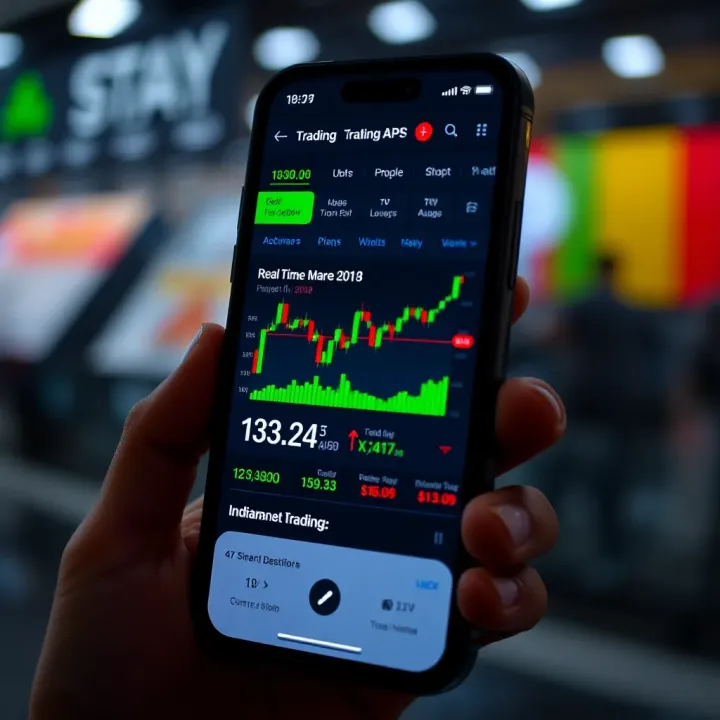
📈 Discover how to pick the best trading app for Indian investors! Compare features, security, user experience & costs to invest smarter today.
Based on 14 reviews