

How to Make Money Forex Trading in India
💹 Explore practical forex trading tips for Indian traders! Learn strategies, risk management, and how to improve your chances of earning money in forex markets.
Edited By
Amelia Walker
Choosing the right forex trading broker is essential for anyone looking to succeed in currency markets. India’s forex environment has its own set of rules, and your broker must comply with regulations from authorities like the Reserve Bank of India (RBI) and Securities and Exchange Board of India (SEBI). Ignoring such details can lead to unnecessary risks or legal issues.
A good forex broker offers more than just access to currency pairs. You should consider factors such as transparency in fees, the reliability of trading platforms, customer service quality, and suitable account types for Indian traders. These elements can directly affect your trading experience and profitability.

Not every broker is suited for Indian traders. Selecting a broker with proper regulation and a user-friendly platform can make all the difference in your trading journey.
Regulation: Prefer brokers authorised by recognised bodies like RBI, SEBI, or international regulators such as the FCA (UK) or ASIC (Australia). This ensures safer handling of your funds.
Trading Costs: Look beyond just spreads. Brokers may charge commissions, withdrawal fees, or inactivity penalties affecting your overall cost.
Trading Platform: MT4 and MT5 remain popular choices, but some brokers offer proprietary platforms with more tailored features. Check if mobile apps and tools suit your style.
Currency Pairs and Instruments: While INR pairs might be limited, ensure your broker offers a variety of major and minor pairs, commodities, or indices if you want diversification.
Deposit and Withdrawal Options: Timely and easy fund transfers through Net Banking, UPI, or wallets matter a lot for Indian users.
Try demo accounts where possible. This helps you gauge platform usability and execution speed before committing real money. Also, consider brokers that provide localised customer support to resolve issues promptly.
In summary, your broker should fit your trading goals and comfort level. Paying attention to these practical points will guide you toward brokers that provide value beyond just trade execution.
Knowing how forex brokers operate is key before you start trading currencies. Forex brokers act as your gateway to the global foreign exchange market, providing the necessary access and tools to buy and sell currency pairs. Choosing the right broker influences your trading costs, platform experience, and overall success.
A forex broker is essentially a firm or individual that facilitates currency trading by connecting you to international currency markets. They don’t usually hold the currencies themselves; instead, they execute trades on your behalf, making sure your orders reach big players like banks or liquidity providers.
This function matters because retail traders can't directly access the forex market, which operates 24/7 and involves high volumes. Through a broker, even an individual in Chennai can trade the USD/INR pair efficiently.
The broker provides the trading platform, market pricing, leverage options, and support. For example, if you want to buy €10,000 against the US dollar, the broker executes that request at the best available exchange rate.
Brokers link your trading orders to wider markets either directly or through intermediaries. They work with banks, hedge funds, and other financial institutions who supply liquidity—essentially, the other side of your trade.
Depending on the broker type, your orders might be handled internally or routed to external networks for execution. This connection speed and quality affect how well your trades perform, especially during high-volatility periods like when RBI signals policy changes.
Dealing desk brokers profit by taking the opposite position of your trade. They create their own market prices and act as the counterparty. For instance, if you buy USD/INR, they sell it to you directly without passing your order outside.
This method offers fixed spreads and generally smooth execution. But sometimes, conflicts of interest occur, since the broker wins if you lose. Still, many Indian traders prefer market makers for simpler costs and guaranteed trade execution.

No dealing desk brokers directly connect your trades to external liquidity providers through Straight Through Processing (STP) or Electronic Communication Networks (ECN). They don’t take the opposite side; instead, they pass orders to banks or other traders.
This setup provides real market prices, tighter spreads during active hours, and less risk of price manipulation. However, commissions or variable spreads might apply. Traders who prefer transparency and professional-grade execution often opt for STP or ECN brokers.
Some brokers combine both dealing desk and no dealing desk systems. They might route larger trades directly to the market but handle smaller orders in-house. This approach aims to balance execution speed and cost.
For example, if you place a small trade of ₹10,000, it might go to the dealing desk; but a major trade worth ₹5 lakh might be sent through to external liquidity.
Hybrid brokers suit traders who want flexibility and diverse execution options, adapting to different market conditions.
Understanding these broker types helps you pick one that fits your trading style and risk appetite. Indian traders should check how brokers handle orders, charges involved, and platform reliability before committing their funds.
When selecting a forex broker, several key factors deserve your close attention. These elements shape your trading experience, affect your costs, and safeguard your investments. Indian traders must evaluate regulation, fees, platforms, and customer service carefully to avoid pitfalls and trade efficiently.
Regulation matters hugely for Indian traders as it ensures brokers follow strict standards regarding client fund safety and fair practices. Without regulation, brokers might vanish with your money or manipulate prices. Indian traders should ideally pick brokers authorised by trustworthy regulatory bodies to minimise such risks.
Some top regulatory authorities well respected globally include the Financial Conduct Authority (FCA) in the UK, the Australian Securities and Investments Commission (ASIC), and the Securities and Exchange Board of India (SEBI) for domestic players. These regulators impose trading rules, require segregation of client funds, and enforce transparency. Spotting these licenses gives you a clearer idea of the broker’s credibility.
Trading costs often make a significant difference to your net profitability. Brokers may charge spreads (the difference between buy and sell prices) or a commission per trade. Spreads can be fixed or variable; ECN brokers typically offer tighter spreads but charge a separate commission. For example, a broker might offer 0.5-pip spread plus a $5 commission per lot traded.
Besides visible costs, watch out for hidden charges like inactivity fees, withdrawal fees, or currency conversion charges. Suppose you buy and sell frequently but your broker has a high withdrawal fee; it could erode your profits. Understanding all costs upfront helps avoid surprises and better plan your trading expenses.
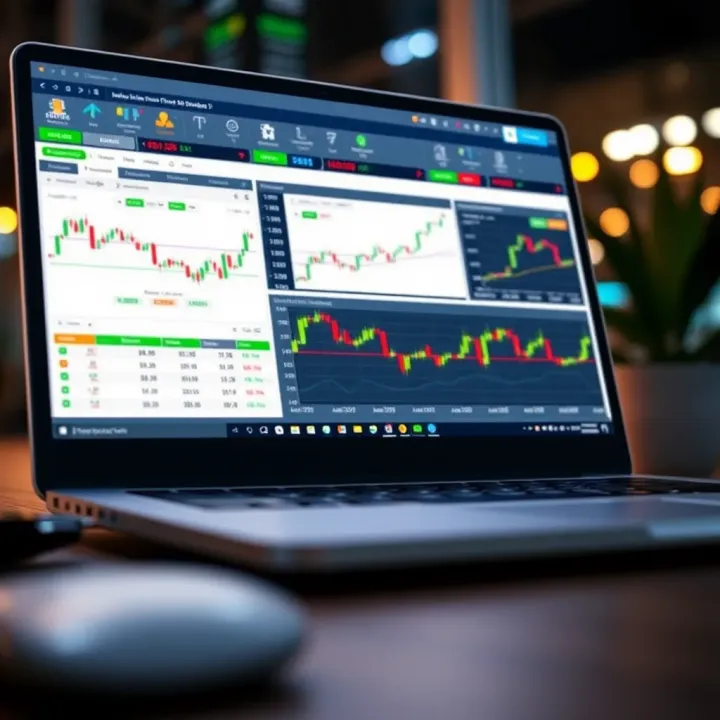
The trading platform is where you interact with the market, making its features vital. Popular platforms like MetaTrader 4 (MT4), MetaTrader 5 (MT5), and cTrader offer charting tools, technical indicators, and automated trading support. Some brokers also provide proprietary apps tailored for simplicity.
In today’s mobile-first landscape, mobile platform quality matters too. Features like one-click trading, real-time quotes, and easy navigation enhance your ability to trade on the go. For instance, if a broker’s mobile app lags or lacks charting options, you may miss trading opportunities.
Efficient customer support can save you hours during critical situations. Indian traders often prefer brokers offering round-the-clock support, considering time zone differences with international brokers. Quick response in Hindi, English, or regional languages is an added advantage.
Support channels like live chat, phone, and email are common. However, live chat allows real-time problem solving and is favoured among Indian traders. Good brokers also provide educational resources and FAQs, helping traders resolve common queries independently.
Choosing a broker with strong regulation, transparent costs, reliable platforms, and prompt support lays a solid foundation for successful forex trading in India. Never overlook these factors when making your pick.
For Indian traders, choosing forex brokers that cater specifically to their needs is essential. Brokers popular among Indian traders often provide tailored services such as INR account support, local payment options, and compliance with Indian regulations. Understanding the differences between international and domestic brokers helps traders select the right partner for their forex activities.
International forex brokers offer a wide range of currency pairs, advanced trading platforms, and high leverage options that appeal to Indian traders. Names like XM, IG, and Pepperstone are common choices, known for reliable execution speeds and extensive educational resources. Their global reputation often assures traders of better liquidity and market access compared to local firms. These brokers also offer access to global financial markets beyond forex, such as commodities and indices, which can diversify an Indian trader's portfolio.
Funding accounts with international brokers can be a concern, but many have adapted well to the Indian market. Brokers typically accept payments through UPI, net banking, and popular wallets like Paytm or Google Pay. Withdrawal options may include bank transfers and online payment systems, though processing times can vary. Traders must watch out for forex conversion fees and ensure clear transparency in charges. For example, brokers like Tickmill and FxPro provide smooth INR transactions with reasonable spreads, helping Indian traders avoid costly hidden costs.
Domestic brokers operating forex services must comply with Indian financial regulations, primarily overseen by the Reserve Bank of India (RBI) and the Securities and Exchange Board of India (SEBI). Though forex trading on international pairs is restricted, domestic brokers often provide currency derivatives traded on recognised exchanges like NSE and BSE. This compliance reduces risks of fraud and ensures that client funds are protected under Indian law, offering Indian traders peace of mind.
Trading through domestic brokers means easier access to customer support in local languages and faster remittance processes for deposits and withdrawals. They also provide better clarity on tax treatment and legal frameworks relevant to Indian traders. However, domestic brokers typically offer a narrower range of currency pairs and lower leverage compared to international counterparts. For instance, platforms like Zerodha and ICICI Direct focus more on currency futures and options rather than spot forex, limiting opportunities for those seeking more flexible spot forex trading.
Selecting between international and domestic brokers depends on your trading preferences, risk appetite, and need for regulatory assurance. Combining features from both can also be an effective approach.
International brokers offer broad market access and advanced tools but require careful choice of funding methods.
Domestic brokers provide regulatory security and convenient services but limit spot forex options.
Understanding these nuances helps Indian traders make informed decisions and trade confidently in forex markets.
Trading forex in India offers good opportunities but also involves risks. Knowing how to manage these risks and understanding the legal framework can protect your investment and make trading more effective. This section guides you through practical steps to trade safely and confidently.
Being able to spot warning signs, or red flags, in forex brokers helps you avoid falling prey to scams. Brokers promising guaranteed profits or unusually high returns with little risk should raise suspicion. Unregulated brokers or those without clear disclosures on fees and charges are risky. For example, unsolicited calls or messages offering insider tips or pushing you to invest quickly are signs of fraud. Always check for proper licenses from recognised authorities before committing funds.
Demo accounts and trial periods let you test a broker’s platform without risking real money. These are essential for building comfort with the trading interface and understanding order execution speed, leverage options, and available tools. Indian traders benefit from trying demo accounts offered by brokers like ICICI Direct or Zerodha before shifting to live trading. Practising in a risk-free environment helps develop strategies and avoid costly beginner mistakes.
Forex trading in India is regulated mainly by the Reserve Bank of India (RBI), which allows trading on currency pairs involving the Indian Rupee through registered exchanges like NSE and BSE. Spot forex trading outside these parameters, such as with international brokers on currency pairs without INR, is generally not permitted. Being aware of these rules prevents unintentional illegal trading, which could lead to penalties.
Regarding taxes, profits from forex trading are treated as capital gains or business income depending on the frequency and scale of trading. Casual traders often report profits under the head of capital gains, where short-term capital gains are taxed at applicable slab rates. Frequent traders treating forex as a business need to maintain proper books and may claim expenses. For example, a trader earning ₹5 lakh from forex profits should consult a tax expert to declare income correctly and avoid issues with the Income Tax Department.
Understanding the risks and regulations, combined with using trial accounts, sets the foundation for safer and more successful forex trading in India.
By keeping these tips in mind, you can navigate the forex market with more confidence and stay on the right side of the law.
💹 Explore practical forex trading tips for Indian traders! Learn strategies, risk management, and how to improve your chances of earning money in forex markets.

📈 Explore online forex trading in India with this detailed guide. Learn market basics, strategize smartly, and manage risks for better decisions. 🇮🇳

Discover how to pick the best online forex trading platform in India 🇮🇳. Learn about key features, security tips 🔒, and smart strategies for safe trading.
📈 Discover top online forex trading courses for Indian traders! Learn how to pick the best classes, master key skills, and tackle trading challenges effectively.
Based on 5 reviews