
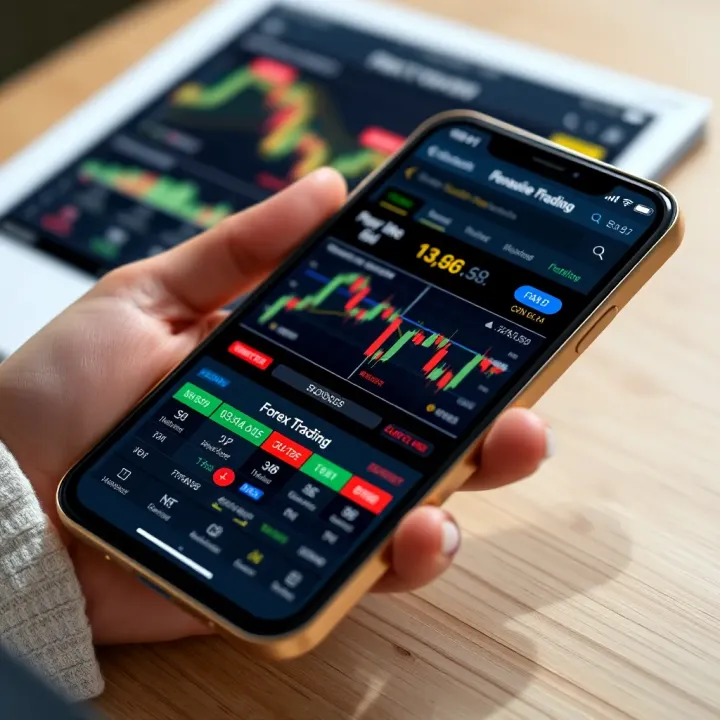
Best Forex Trading Apps in India 2024
Explore the best forex trading apps in India 📱 comparing features, usability, and regulation compliance to help you trade securely with ease and confidence.
Edited By
Liam Foster
Forex trading has gained significant traction in India, thanks to greater internet access and user-friendly mobile apps. But picking the right forex trading app is no small task when the market offers so many choices. For Indian investors and traders, it’s key to find platforms that combine security, low costs, and smart features tailored to local requirements.
Understanding the basics before choosing an app can save you both time and money. Forex trading involves buying and selling currencies to profit from rate fluctuations. In India, forex trading is regulated by the Reserve Bank of India (RBI) and Securities and Exchange Board of India (SEBI), which means all transactions must comply with their rules. For example, trading is generally limited to currency pairs that include the Indian Rupee and specific foreign currencies.

When assessing forex apps, consider features like real-time market data, advanced charting, and automated alerts to help stay ahead. Cost factors such as spreads, commissions, and withdrawal fees directly affect profitability, so look for platforms with transparent charges. User experience also matters — apps should load quickly, offer intuitive controls, and provide educational resources, especially for beginners.
Safety should always be your top priority. Verify that the app is authorised by SEBI or RBI and offers two-factor authentication along with encrypted transactions.
Here are some practical tips to bear in mind while selecting a forex trading app:
Choose apps supported by reputed brokers with local customer service.
Check for quick deposit and withdrawal options, ideally supporting UPI and net banking.
Look for apps that provide demo accounts to practise without risking capital.
Prioritise platforms with clear compliance statements and risk disclosures.
Understanding these aspects upfront will guide you to apps that not only meet your trading goals but also ensure your investment remains secure and efficient within the Indian regulatory framework.
Understanding the fundamentals of forex trading is essential for anyone looking to trade currencies in India. This section lays the groundwork by explaining the basics of how forex trading happens and the legal framework that governs it here. Without this knowledge, investors might take unnecessary risks or even step into illegal territory unknowingly.
Forex trading involves buying one currency while simultaneously selling another, with the goal of profiting from changes in exchange rates. For example, if you expect the US dollar (USD) to strengthen against the Indian rupee (INR), you might buy USD/INR. If the dollar rises, you can sell it later at a profit. This trading happens 24 hours a day across global markets, but Indian traders access it primarily through authorised brokers and apps.
Currency pairs are quoted in terms of one currency against another, such as EUR/USD or USD/INR. Traders use a variety of tools like charts, technical indicators, and economic news to predict these price movements. Profit depends heavily on timing and market analysis, but also on managing risk properly.
The Reserve Bank of India (RBI) regulates currency exchange in the country to ensure economic stability and curb illegal transactions. It permits forex trading only in specific currency pairs, mostly involving the Indian rupee against major foreign currencies like the US dollar, euro, yen, or pound sterling. Speculative trading in other currency pairs or with cryptocurrencies is generally prohibited for Indian residents.
The RBI also influences the rules for foreign exchange through guidelines under the Foreign Exchange Management Act (FEMA). This includes controls on the maximum amount individuals can trade or invest abroad, aimed at preventing capital flight and maintaining the country’s foreign reserve stability. For instance, Indian residents can invest up to $250,000 annually overseas under the Liberalised Remittance Scheme (LRS).
The Securities and Exchange Board of India (SEBI) supervises entities involved in forex trading, especially brokers, to protect investors from fraud. SEBI mandates registration and compliance requirements for brokers offering forex trading to Indian clients. This ensures they maintain adequate financial health, provide transparent pricing, and follow fair market practices.
SEBI also requires brokers to offer risk disclosures clearly so traders understand leverage and margin risks involved. For example, traders often overlook how high leverage can amplify losses as much as profits. SEBI steps in to standardise trading practices and maintain investor confidence.
Indian residents face tight restrictions on trading forex beyond authorised channels. The RBI prohibits trading in currency pairs not involving the Indian rupee, so trading exotic pairs through offshore platforms is illegal and carries penalties. Similarly, trading in cryptocurrencies or unregulated forex instruments is banned.
At the same time, residents can engage in forex trading only through RBI-approved brokers and platforms that comply with FEMA rules. Banks, authorised dealers, and registered brokers act as intermediaries, ensuring that trades are settled properly in the Indian banking system.
In summary, knowing how forex trading works and understanding the legal boundaries set by RBI and SEBI helps Indian traders choose safe, compliant platforms while navigating the forex market effectively.
Choosing the right forex trading app is key for success, especially in India’s growing digital trading space. The app must not only provide smooth trading but also offer tools and safety that suit an investor’s needs. Let’s unpack the main features you should watch out for.
A user-friendly interface saves time and reduces errors, often making or breaking the trading experience. A cluttered screen or confusing navigation can lead to missed opportunities. For instance, an app like Zerodha Kite offers a clean layout where you can place orders and view charts without jumping through hoops. Features like easy order placement, quick access to favourites, and responsive design for mobiles and tablets help traders act swiftly, which is critical in forex markets where rates fluctuate rapidly.
Forex trading demands quick decisions based on up-to-the-minute data. Apps should stream live exchange rates and support tools like technical indicators, charting, and news feeds. For example, investing through apps such as Upstox or 5Paisa lets traders track currency pairs like USD/INR or EUR/INR, alongside economic events that affect the markets. Robust analysis tools help you spot trends or reversals, turning raw data into actionable insight.
Since forex trading deals with real money and sensitive details, security can’t be compromised. Look for apps offering two-factor authentication (2FA), end-to-end encryption, and compliance with Indian regulations like data privacy laws. An app that syncs with Aadhaar-based verification or uses RBI-approved gateways adds trust. Moreover, check if the app has regular security audits and timely updates to defend against cyber threats.
Spreads and commissions: These form the core trading costs and directly affect profitability. The spread is the difference between the buy and sell price of a currency pair. Narrow spreads offer better value since you pay less to enter and exit trades. Some apps charge fixed commissions per trade on top of spreads—this adds up if you trade frequently. For example, apps like ICICI Direct might have higher commissions compared to discount brokers but offer better customer support, so traders must weigh cost versus service.
Deposit and withdrawal charges: While investing, seamless fund transfer is essential. Some apps impose fees on deposits or withdrawals, which can eat into margins, especially for small transactions. Apps connected to UPI or net banking usually offer free or minimal charges. Always verify withdrawal policies—some platforms delay payouts or charge hidden fees, which hampers liquidity.
Choosing a forex app isn’t just about the bells and whistles. It's about reliable platforms that deliver smooth execution, secure handling of funds, and transparent costs to enhance your trading experience.
Keeping these features in mind ensures you pick an app suited for India’s unique market conditions and your personal trading style.
Choosing the right forex trading app is a key step for anyone interested in forex trading in India. These apps offer direct access to global currency markets, real-time updates, and user-friendly interfaces tailored for Indian investors. Understanding popular apps helps traders pick platforms that combine functionality, security, and cost-efficiency.
App A: Overview, pros, and cons
App A is widely recognised for its smooth user interface, making it suitable for both beginners and experienced traders. It provides real-time currency charts, customizable alerts, and straightforward deposit and withdrawal options with Indian banks. One advantage is the in-built risk management feature that helps reduce potential losses. However, some users find its limited technical analysis tools a drawback, especially when compared to more advanced platforms.
App B: Overview, pros, and cons
App B stands out for its powerful analytical tools and extensive educational resources. It offers comprehensive indicators, support for algorithmic trading, and integration with multiple Indian payment methods. This app is ideal for professional traders looking for deeper market insights. On the downside, App B charges higher brokerage fees, which might impact traders making smaller or frequent trades.
App C: Overview, pros, and cons
App C focuses on affordability and quick execution, with some of the lowest spreads among apps available in India. It provides a mobile-friendly layout with efficient customer support in regional languages, making it accessible for tier-2 and tier-3 city traders. Yet, the app’s somewhat basic charting tools and occasional delays during high volatility periods could frustrate active day traders.
When comparing these apps, consider factors like user experience, cost structures, security, and available tools. App A offers ease of use and reliable features for general trading, while App B suits those requiring advanced analytics despite higher costs. App C appeals for competitive pricing and wide accessibility but may fall short on professional-grade tools. Your choice depends on your trading goals, experience level, and how much you’re willing to spend on fees and commissions.
Picking the right forex trading app hinges on balancing usability, cost, and security. Try demo versions where possible to get a feel for each platform before committing real money.
In summary, these popular apps bring forex market access right to your mobile, but understanding their specific strengths and limitations ensures you make an informed decision suited to the Indian trading environment.
Trading forex through mobile apps offers convenience, but without the right precautions, it can lead to avoidable losses or security risks. Following guidelines for safe and effective forex trading helps investors protect their money and make informed decisions. These guidelines focus on choosing trustworthy brokers, managing risks properly, avoiding scams, and practising trading with demo accounts before committing real funds.
Selecting a regulated broker is the first and most critical step in forex trading. In India, brokers must comply with rules set by bodies like the Reserve Bank of India (RBI) and the Securities and Exchange Board of India (SEBI). Registered brokers follow security protocols for customer money, adhere to fair trading practices, and provide transparent fee structures. For example, brokers regulated by SEBI are required to segregate client funds, so even if the broker faces financial trouble, your money remains safe.
Trading with an unregulated or offshore broker invites risks such as fund misappropriation or lack of grievance mechanisms. Therefore, verify broker licenses on official websites before opening an account or depositing money. Popular Indian brokers like Zerodha and ICICI Direct maintain strong regulatory credentials, making them reliable choices.
Forex trading attracts fraudsters who target beginners with unrealistic profit promises or pressure tactics. Common scams include pyramid schemes, signal selling with false claims, or brokers hiding withdrawal restrictions. For instance, a trader may be lured into depositing more money by false guarantees of doubling investment quickly, only to find they cannot withdraw funds later.
Being wary of unsolicited calls or messages offering "insider tips" can save you from traps. Always cross-check information and consult verified reviews before trusting any service.
Managing risk means controlling potential losses in trading, which is essential given forex’s volatility. One effective method is setting stop-loss orders that automatically close a trade when the loss reaches a preset limit, protecting your capital from sudden market moves. Diversifying trades instead of putting all money into one currency pair spreads risk.
Moreover, avoid excessive leverage that magnifies profits but can also cause large losses. For example, Indian traders should be especially cautious using leverage levels above 10:1. Regularly reviewing your portfolio and sticking to a disciplined trading plan will bolster long-term success.
Before investing real money, using demo accounts provided by forex apps lets you understand market dynamics without risk. These accounts mimic live trading with virtual funds, helping you test strategies, app features, and order types. Apps like MetaTrader 4 and Zerodha Kite offer user-friendly demo modes that assist beginners to build confidence.
Using demos reduces the learning curve and prevents costly mistakes. It’s wise to practise until you consistently make sound decisions before switching to live trading. Continual learning through demo testing remains valuable even for experienced traders adapting to new market conditions.
Starting your forex journey with these safety measures is not just advisable but necessary for sustainable trading in India’s regulated environment.
Following these guidelines will enhance your trading experience and reduce risks, helping you navigate the forex market more confidently and securely.
Using a forex trading app effectively can be the difference between success and frustration in the fast-paced world of currency trading. Mobile apps offer convenience, but to really gain an edge, you need to fine-tune their features according to your trading style. This section covers practical tips on optimising app settings, staying updated with market news, and integrating apps with other financial tools—the essential steps for smart, informed trading.
Customising your app’s settings plays a vital role in managing the flood of information that forex markets bring every day. For example, enabling price alerts helps you react instantly when a currency pair hits a target rate, avoiding missed opportunities. Many apps allow you to filter notifications to only the most relevant events, such as major market-moving announcements or liquidity spikes. This prevents distraction and keeps your focus razor-sharp.
Another useful setting is setting up automatic stop-loss and take-profit orders. These can be configured through the app to limit losses and secure profits without constant monitoring. Adjusting the chart time frames according to your trading strategy—say 5-minute charts for intraday trades or daily charts for longer-term positions—is also critical. These small tweaks provide a cleaner interface and reduce decision fatigue.
Currency markets respond swiftly to global events like interest rate changes, geopolitical developments, or economic data releases such as India's inflation rate or US non-farm payrolls. Leveraging forex apps that incorporate a live news feed or connect to financial news outlets keeps you ahead of the curve. For instance, apps linking to Reuters or Bloomberg news provide quick snapshots of breaking stories that may impact currency movements.
Besides news, subscribing to calendar alerts for major economic events within the app focuses your attention on periods of high volatility, helping you plan trades wisely. Ignoring these updates can leave you trading blind, especially when sudden market gaps or swings occur.
A standalone forex app may not paint the full financial picture. Integrating your trading app with other tools like personal finance managers, portfolio trackers, or tax calculation software can offer comprehensive insights. For example, linking your forex app with a portfolio tracker helps monitor overall investment exposure and spot overconcentration in currency assets.
In India, apps such as Zerodha’s Kite for stock and forex combined trading, or platforms that provide GST-compliant transaction records can simplify tax filing for forex gains. Moreover, syncing your forex app with your bank’s mobile app can speed up fund transfers through UPI or IMPS, crucial during time-sensitive trades.
Remember, mastering your forex trading app’s potential goes beyond simple usage. Optimising settings, staying updated with market news, and making your app work alongside other financial tools helps you trade smarter and safer, especially in the dynamic Indian forex market.
Explore the best forex trading apps in India 📱 comparing features, usability, and regulation compliance to help you trade securely with ease and confidence.
Explore legal forex trading apps in India 🇮🇳! Learn trading basics, regulations, and top app features to trade safely and make informed decisions.
Explore legal forex trading apps in India 🇮🇳. Learn regulations, pick authorized platforms, avoid risks, and trade safely with expert tips! 📱💹

Explore the best forex trading platforms in India 🇮🇳 with insights on features, brokers, costs ₹, and regulation to pick the ideal platform for your trading needs.
Based on 15 reviews