
Best Trading Apps for Indian Investors in 2024
📈 Discover how to pick the best trading app for Indian investors! Compare features, security, user experience & costs to invest smarter today.
Edited By
Eleanor Bennett
Forex trading has grown rapidly in India, with more traders seeking reliable mobile platforms to trade currencies. Choosing the right forex trading app matters because it directly impacts your ability to analyse the market, execute trades swiftly, and manage risks effectively. You want an app that combines trustworthiness with practical features suited to your trading style.
In India, regulatory oversight by the Securities and Exchange Board of India (SEBI) and the Reserve Bank of India (RBI) shapes how forex trading operates. This makes it important that traders use apps compliant with these regulations or licensed by recognised foreign authorities if they trade on international platforms. Non-compliant apps may pose risks such as account freezes or fund loss.
Key aspects to look at include security measures, ease of use, real-time data access, low transaction costs, and customer support. Many apps also offer educational resources, charting tools, and risk management features, which can be especially helpful for beginners.
Selecting a forex app isn’t just about flashy features; it’s about safety, cost-effectiveness, and how well it fits your trading needs.
Next sections will discuss the essential features you should prioritise, review popular apps preferred by Indian traders, and share tips to trade safely and efficiently using mobile platforms.
Selecting the right forex trading app can make all the difference in your trading experience and success. Indian traders need to focus on certain features that not only simplify trading but also enhance safety and efficiency. Let’s break down the key features to look out for.
A clean, intuitive user interface (UI) is a must-have. When you’re tracking price movements or trying to execute swift trades, fumbling with complicated navigation can cost you money. For instance, apps like Zerodha Kite have simplified dashboards that show your watchlist, charts, and order books clearly on a single page. Even if you are new to forex, a simple design reduces the learning curve and helps avoid mistakes. Consider whether the app allows quick switching between accounts or different currencies without unnecessary clicks.
A good forex app should offer a wide variety of currency pairs beyond just the popular USD/INR or EUR/USD. Access to minor and exotic pairs like NZD/JPY or INR/SGD can open new trading opportunities. Besides currencies, some apps also provide access to commodities and indices, which helps diversify a trader’s portfolio. For example, if you want to hedge exposure, having precious metals like gold or crude oil available on the same platform is handy. Check if your chosen app includes pairs involving the Indian rupee, as this is crucial for convenience and lower spreads.
Forex markets move fast. Having real-time quotes and updated charts can help you spot trends and respond quickly. Look for apps that offer technical indicators like RSI, MACD, or Bollinger Bands directly on their mobile charts. Plus, integration of market news and economic calendar updates provides immediate insights on events affecting currency values—for example, RBI announcements or US Fed rate changes. Apps like MetaTrader 4 and 5 excel here, but always verify the data refresh rate and ensure it is not delayed.
Delays or failed orders can lead to substantial losses in forex trading. Therefore, apps must execute your orders instantly and reliably, especially during volatile market hours. Consider user reviews focusing on execution speed and whether the app maintained uptime during important market events. For Indian traders, a platform that handles network fluctuations gracefully ensures your trade goes through even in low-signal areas. Features like one-click order entry and stop-loss/take-profit orders enhance control and help you manage risks better.
The right forex trading app combines ease of use, diverse trading options, instant data, and rock-solid execution — making your mobile trading smooth and effective.
By focusing on these features, Indian traders can find an app that matches their trading style and risk appetite without getting bogged down by technical glitches or limited choices.
Regulatory compliance and solid security measures form the backbone of trustworthy forex trading apps in India. Without these, traders risk exposure to legal troubles or outright fraud. Understanding these elements helps Indian traders pick platforms that keep their money and data safe, while following the rules set by authorities like the Securities and Exchange Board of India (SEBI) and the Reserve Bank of India (RBI).
SEBI and RBI lay down rules to protect Indian investors from unfair practices in forex trading. SEBI oversees securities markets, ensuring brokers and trading platforms follow strict disclosure and fair trading norms. Meanwhile, RBI controls cross-border currency transactions to prevent illegal flows and maintain financial stability. Forex apps complying with these guidelines typically have transparent pricing, properly segregated client funds, and clear user agreements.
For example, platforms regulated under SEBI provide grievance redressal options and are more likely to safeguard traders against market manipulation. RBI’s rules guide forex dealings through banking channels, restricting trading to permitted currency pairs and ensuring adherence to the Foreign Exchange Management Act (FEMA). Ignoring these regulations can lead to hefty penalties or app shutdowns, so Indian traders should prioritise apps that clearly mention their compliance status.
With financial apps handling sensitive details like PAN card numbers, bank accounts, and transaction data, data privacy becomes a major concern. Leading forex apps use industry-standard encryption protocols such as TLS 1.2 or above to protect data transmission. Encryption converts user data into unreadable codes during transfer, making hacking attempts futile.
Apps also adopt secure local storage techniques to prevent unauthorised access to information on mobile devices. Multi-factor authentication (MFA) adds an extra lock by requiring additional verification beyond passwords. Indian data protection laws, including the Information Technology Act and the upcoming Personal Data Protection Bill, push apps to maintain strict data handling policies. Always look for apps that explicitly state their privacy measures and offer options like biometric logins.
Effective forex trading apps equip users with risk management tools to curb potential losses. Features like stop-loss orders, limit orders, and margin call alerts help traders control exposure and protect capital. For example, a stop-loss lets you set a price point to automatically exit a losing trade, minimising damage during volatile market moves.
Some apps offer real-time risk analytics that signal when your open positions exceed acceptable thresholds based on your balance. Others provide educational resources explaining risk concepts clearly to beginners. Given forex trading’s complexity, these safeguards not only prevent rash decisions but also encourage disciplined trading habits.
Tip: Always test the risk management options in your preferred app's demo mode before trading with real money, especially if you are new to forex.
By understanding regulatory compliance and analysing security and risk features, Indian traders can choose forex apps that offer both safety and functionality, significantly reducing trading risks while enhancing confidence.
Trading tools and educational materials are vital in forex apps, especially for Indian traders who want to sharpen their skills and make informed decisions quickly. These tools help traders analyse markets, understand trends, and practise strategies without real money. Let’s break down some key elements.
Charts form the backbone of forex analysis. Good trading apps provide interactive, customisable charts that let you track currency price movements over time. Look for apps offering different chart types like candlestick, bar, and line charts to suit your style. Technical indicators such as Moving Averages, Relative Strength Index (RSI), Bollinger Bands, and MACD are essential for spotting trends and potential reversals.
For instance, an app that allows you to overlay multiple indicators can reveal patterns like overbought or oversold markets, helping you decide when to enter or exit trades. Popular Indian trading apps like Zerodha Kite and Upstox offer basic charting, but specialised forex apps such as MetaTrader 4 or 5 provide a wider range of these features.
Forex markets react swiftly to global economic news and political events. Apps that deliver real-time news feeds and market updates keep you ahead. Choose platforms providing Indian and international updates, covering government policies, RBI announcements, inflation data, and geopolitical incidents.
Apps integrated with news providers like Reuters or Bloomberg offer credible sources, so you won’t miss sudden shifts caused by events such as RBI’s decisions on interest rates or unexpected trade announcements. This real-time info supports timely trading, reducing the risk of surprises.
Access to trustworthy, up-to-date news feeds is indispensable for managing risks and spotting opportunities in a fast-changing forex market.
Nearly every forex app aimed at Indian traders should feature demo accounts or practice modes. These let you trade virtual money, understand how platforms work, and test strategies without risking your capital. Apps such as ICICI Direct or 5Paisa come with these features, making it easier for beginners to get comfortable.
Besides practice accounts, educational resources like step-by-step tutorials, video lessons, and webinars add tremendous value. They explain concepts like pip calculation, lot size, leverage, and currency pairs in simple terms. For serious traders, this educational boost lowers mistakes and improves confidence.
In summary, trading tools such as advanced charts and up-to-the-minute news, combined with practice facilities and educational content, form a solid foundation for better forex trading apps. Indian traders should prioritise these features when choosing apps to enhance trading skills and stay ahead in competitive forex markets.
Understanding the costs and account options offered by forex trading apps is essential for Indian traders aiming to maximise returns while minimising expenses. These factors can significantly affect your overall profitability and trading experience. It is not just about the sticker price—rather, how transparent and flexible the fee structure and account terms are matters equally.
Spreads represent the difference between the bid and ask price of a currency pair. A narrow spread typically means lower transaction costs. For example, popular apps like ICICI Direct Pro and Zerodha’s Kite often offer competitive spreads for major currency pairs such as USD/INR or EUR/USD. However, some brokerage platforms might widen spreads during volatile market conditions or outside regular trading hours.
In addition to spreads, some apps charge explicit commissions per trade. This might suit high-frequency traders who prefer fixed costs irrespective of the spread changes. On the other hand, many apps advertise zero commission but compensate with wider spreads or additional fees.
Watch out for hidden charges such as withdrawal fees, inactivity charges, or platform maintenance fees. These might seem small individually but can add up, especially for traders with smaller capital. Always read the detailed fee schedule and compare it across platforms before committing.
Transparent cost structures help traders plan better and prevent surprises that erode profit margins.
Different apps set varying minimum deposit requirements, which can influence your ability to start trading. Some platforms accept as low as ₹5,000, making them accessible to new traders, while others might require ₹50,000 or more, targeting experienced users or institutional clients.
Leverage lets you control larger positions with a smaller amount of capital; however, it amplifies both gains and losses. Indian regulators, via SEBI and RBI, have restrictions on leverage levels for retail traders to keep risks in check. Many forex apps now offer leverage between 1:10 and 1:30 on major pairs.
Carefully assess the leverage options because higher leverage can quickly magnify losses. Choose an app that provides flexible leverage settings, allowing you to adjust risk according to your strategy.
While selecting an app, balance between a reasonable minimum deposit and suitable leverage is key. For example, platforms like Upstox and 5Paisa provide both relatively low minimum deposits and adjustable leverage gearing towards Indian traders starting small but wanting growth potential.
By paying attention to costs and account features, you ensure you pick a forex app that fits your trading style and budget without hidden surprises or unnecessary risks.
Selecting popular forex trading apps designed for the Indian market helps traders make informed choices based on regulatory compliance, user experience, and local relevance. Indian traders benefit from platforms that understand India’s unique regulations and offer features suited to local needs, such as seamless rupee transactions and customer support in regional languages.
Trustworthy forex apps ensure regulatory compliance, particularly with the Securities and Exchange Board of India (SEBI) and Reserve Bank of India (RBI) guidelines. Platforms like Zerodha and Upstox, though primarily equity brokers, offer forex trading within regulated frameworks, reassuring users about fund safety and legal adherence. Apps regulated internationally but allowing Indian users, such as Forex.com and IG, also maintain strong security standards but require careful consideration of cross-border rules and tax obligations. Prioritising apps with strong licences reduces exposure to fraud and improves transaction reliability.
Beginner traders need intuitive apps with easy navigation, educational tools, and demo accounts to practise without risking money. For instance, MetaTrader 4 provides user-friendly interfaces and extensive tutorials, making it popular among newcomers. Apps like FXTM offer clear explanations about forex concepts and risk management features, helping new users build confidence gradually. Such platforms often include notifications and market updates in simple language, easing beginners into the forex ecosystem.
Experienced traders look for advanced charting tools, customisable indicators, and rapid order execution. Apps like MetaTrader 5 and ThinkTrader cater to these needs with sophisticated analysis and multi-device syncing. These platforms support automated trading strategies and provide in-depth news feeds relevant to the Indian market, such as currency movements affected by RBI announcements. Experienced users also appreciate features like tighter spreads and higher leverage options, which help optimise trading efficiency.
Choosing the right forex app depends largely on your trading experience and regulatory comfort. Indian traders should prioritise apps that blend local compliance, functionality, and ease of use to trade confidently and securely.
By matching your trading style with the right app category, whether beginner-friendly or feature-rich for pros, you set yourself up for better trading outcomes and fewer surprises.
Mobile forex trading offers unmatched convenience, but it also brings some risks that traders should handle carefully. Following best practices helps protect your investments and personal information, while also making your trading experience smoother and more profitable.
Securing your data is the first defence against cyber threats. Always use apps that employ strong encryption methods and offer two-factor authentication (2FA). For example, apps like Zerodha and HDFC Securities implement 2FA combined with biometric login, which reduces unauthorized access risks. Avoid using public Wi-Fi for trading, as hackers often target unsecured networks to steal login credentials. Instead, use a private connection or a trusted VPN service when trading on mobile.
Additionally, regularly update your trading app and your mobile phone's operating system. These updates patch security loopholes and protect against malware. Store sensitive documents like PAN card, Aadhaar scans, or bank details securely — never share them casually on chat groups or social media.
The forex market attracts many fraudsters promising quick profits. To avoid falling into traps, only choose apps regulated by reliable authorities such as SEBI (Securities and Exchange Board of India) or recognised international bodies. Avoid platforms that lack clear company details, offer unrealistic returns, or pressure you for upfront payments.
Check user reviews on trusted forums and social media channels, but watch out for fake endorsements. If a platform guarantees no loss or uses aggressive marketing, treat it with scepticism. For example, warning signs include unsolicited calls or messages asking for app downloads or investments. Always verify the app’s reputation through official app stores and financial news sources.
Staying cautious and verifying credentials before investing saves you from losing money and protects your peace of mind.
Forex trading is volatile and complex; no app or trader can guarantee steady profits daily. Set clear limits on how much you are willing to risk per trade or day. Use app features like stop-loss orders, which automatically close positions to minimise losses.
Start small if you are a beginner and use demo accounts to practise without real money. Observe market trends, and avoid chasing losses by increasing trade size impulsively. Remember, the goal is consistent gains over time, not quick wins.
Many apps provide risk management tools. For instance, MetaTrader and IG Markets let you customise alerts and automated actions to manage your exposure effectively.
Trading with a clear plan and realistic expectations prevents emotional decisions that often lead to losses.
In summary, safeguarding your data, avoiding dubious platforms, and managing risk wisely are key to making forex trading on mobile both safe and fruitful. These practices help you build a steady trading journey amidst mobile's convenience and market unpredictability.
📈 Discover how to pick the best trading app for Indian investors! Compare features, security, user experience & costs to invest smarter today.
Explore legal forex trading apps in India 🇮🇳! Learn trading basics, regulations, and top app features to trade safely and make informed decisions.
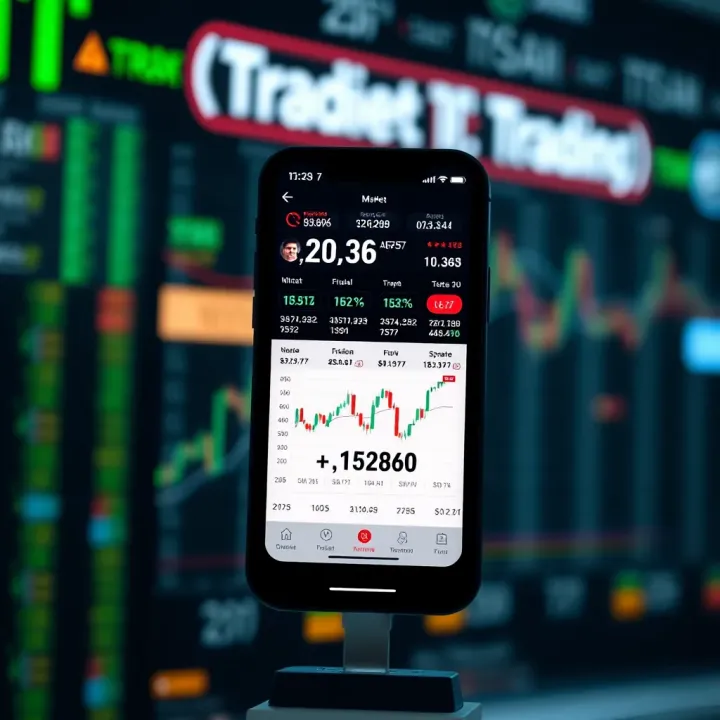
Find the best trading app for Indian investors 📱. Compare features, costs, security, and user experience to trade smartly in India’s market.🔒💹
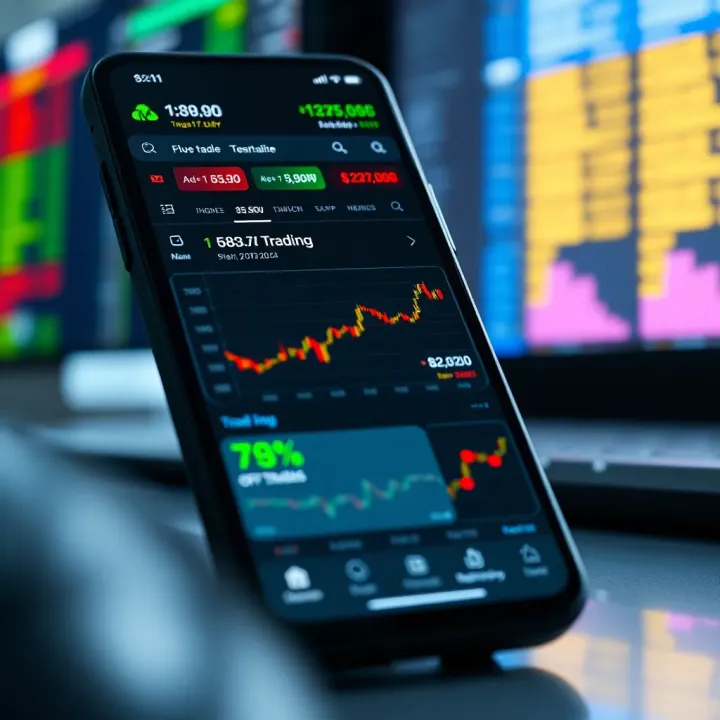
Explore the best trading apps for Indian investors 📱 with insights on usability, costs, features, and regulations to pick the perfect fit for your needs.
Based on 6 reviews