

Free Online Paper Trading: A Practical Guide for Investors
📈 Explore the best free online paper trading platforms in India! Practice stock market trades risk-free, learn strategies, and build confidence before investing real money.
Edited By
Isabella Clarke
Paper trading apps have become essential tools for anyone looking to understand the stock market without risking real money. In India, where retail investor interest is growing rapidly, these apps offer a practical platform to simulate buying and selling of stocks using virtual funds. This simulation mirrors real market conditions, helping users grasp market dynamics and test strategies safely.
Using paper trading can improve your confidence before committing actual capital, especially if you are new to stock trading or trying out complex techniques like intraday trading or options strategies. It also suits seasoned traders who want to backtest ideas without market risk.
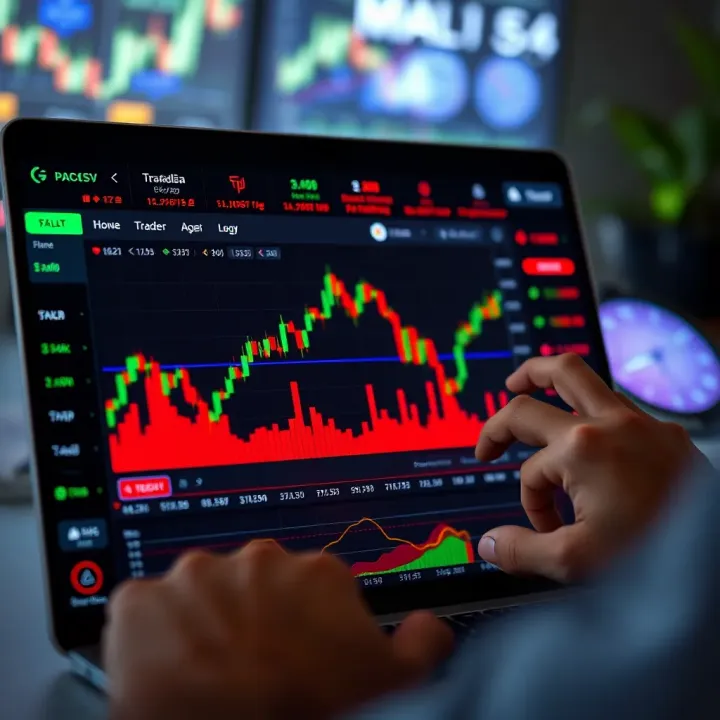
Here’s what sets the best paper trading apps apart:
Accurate market data: Real-time price updates and charts ensure your trades reflect actual market movements.
User-friendly design: Intuitive interfaces help beginners navigate easily while offering advanced features for professionals.
Diverse instruments: Options for stocks, commodities, and indices to practice across asset classes.
Performance tracking: Detailed reports track wins, losses, and portfolio growth.
Virtual trading isn’t just a dry exercise; it lets you spot mistakes, tweak strategies, and learn market behaviour without burning money.
In India, several apps stand out by offering free paper trading with no hidden charges or forced upgrades. These apps also cater to local preferences, such as integration with UPI for funding real accounts or insights tied to the Bombay Stock Exchange (BSE) and National Stock Exchange of India (NSE). This localised approach helps users connect simulated trades to real-world contexts.
To make the most of paper trading, set clear goals: whether it’s mastering technical analysis, understanding order types, or simply building discipline. Regular practice combined with thoughtful review of your trades will sharpen your skills effectively.
In the sections ahead, we’ll explore the leading free paper trading apps available in India, comparing their features and ease of use, so you can pick one that fits your investing style and learning pace.
Paper trading serves as a critical stepping stone for many Indian investors who want to understand the markets without risking real money. At its core, paper trading means simulating trades using virtual money, allowing users to experience the market dynamics without financial loss. It can help investors test strategies, track outcomes, and build practical skills under real market conditions.
For an average Indian investor, paper trading offers a safe space to learn how stock markets move. Many beginners in cities like Pune or Jaipur start with just a few thousand rupees but lack the confidence to enter the live market. Paper trading apps create an environment where they can mimic trades in equities, derivatives, or mutual funds without the fear of losing capital. For example, a new investor trying to understand the impact of intraday volatility on Sensex stocks can experiment freely on these platforms, gaining insight into timing and risk management.
Indian investors also face challenges like unfamiliarity with order types and settlement processes. Paper trading helps demystify these aspects by simulating order executions and transactions, helping users grasp concepts like limit orders, stop-loss, and delivery instructions. This practice reduces hesitation and mistakes once they transition to real investing.
Trading in the market can be intimidating, especially when it involves real money and emotions. Paper trading lets investors build confidence gradually. They learn to analyse charts, evaluate company fundamentals, and apply technical indicators without any financial pressure. Over time, regular practice through simulation hones decision-making abilities and sharpens reflexes needed for fast-moving markets.
In addition, paper trading provides an excellent tool for seasoned traders to test new strategies or react to market events. For instance, a trader considering a hedging strategy before a big corporate earnings announcement can simulate the trades to understand possible outcomes. This familiarity increases their ability to implement tactics with precision in live markets.
Paper trading is not just child's play; it equips Indian investors with hands-on experience that formal education rarely provides.
Using a demo platform regularly can help assess strengths and identify weaknesses, encouraging continuous learning. The ultimate goal is to bridge the gap between theoretical knowledge and practical trading, thereby paving the way to confident, informed investing in India’s growing financial markets.
Choosing the right paper trading app isn't just about having a platform to simulate trades. Its features shape how effectively you learn and prepare yourself for real-market investing. Each element matters because they impact user experience, learning curve, and the realism of trading practice.
A clean and intuitive user interface makes paper trading smoother. For instance, if you’re testing a strategy on Zerodha Kite’s simulator, you want to find charts, order types, and portfolio management without hunting around. Confusing layouts can frustrate users and distract from the actual practice. Apps that keep menus simple, provide quick access to key functions, and use familiar terminologies help newcomers and busy professionals alike dive straight into trading without delay.
Accurate and real-time market data is the backbone of paper trading. Without it, you might develop faulty trading habits. Consider Upstox Pro Simulator: it streams live market quotes with minimal lag, letting you react to actual market conditions. Delayed or inaccurate data can give a false sense of timing and price movements. In India, where markets can move quickly due to significant events or announcements, up-to-date data allows you to test how your strategies perform under real pressure.
A robust paper trading app offers variety beyond just equities. Options, futures, commodities, and mutual funds let you explore different asset classes. For example, Angel Broking Virtual Trading supports both equity and derivative products common in India’s market. This range lets investors familiarise themselves with complex instruments before risking real capital. Access to multiple markets—including NSE, BSE, and commodities exchanges—broadens learning scope and helps match your app experience with your actual trading interests.
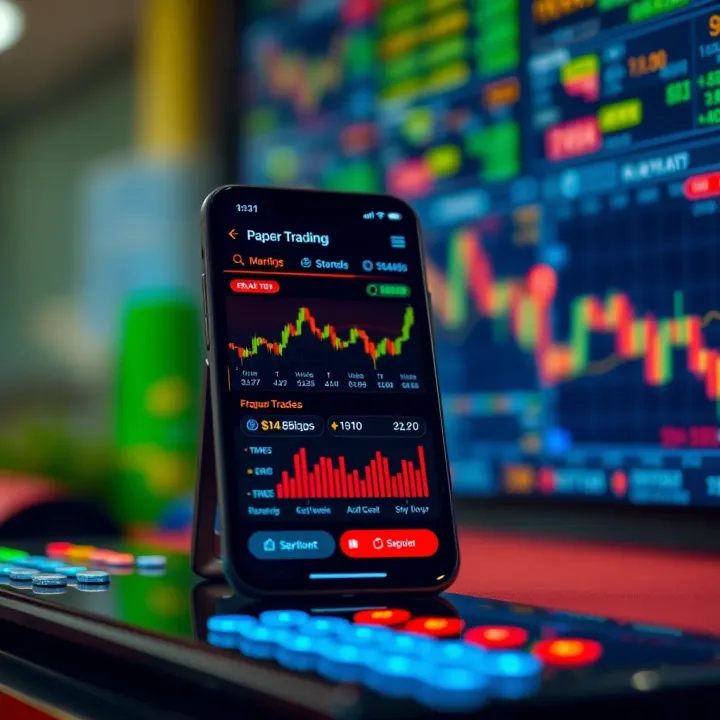
Besides trading practice, many apps provide tutorials, strategy guides, and webinars to improve your financial knowledge. Smallcase Demo Trading integrates strategy testing with educational modules tailored for Indian investors, allowing users to understand portfolio diversification alongside hands-on practice. Such resources help demystify jargon and technicalities, making paper trading not just about trial but also about guided learning.
Picking a paper trading app with solid features lets you build confidence and sharpen your skills realistically. Without this, practice runs risk becoming disconnected from live market conditions or dull due to clunky design.
By focusing on these features, you can choose an app that fits how you want to learn and what instruments you want to explore, setting a strong foundation before moving to real investing.
Paper trading apps have become essential tools for Indian investors who want to sharpen their trading skills without risking actual money. These apps mimic real market conditions, allowing you to practise investing strategies in equities, derivatives, commodities, and more. The benefit is clear: you get to understand market dynamics firsthand, test strategies, and learn from mistakes, all in a risk-free setting. In India, several leading brokerage platforms include free paper trading options, which differ in features, ease of use, and target users.
Zerodha Kite, one of India’s most popular trading platforms, offers a built-in paper trading feature known as "Kite Paper Trading". Accessible to anyone with a Zerodha account, it requires no extra charges. You can start practising right away within the Kite platform or on its web version. This seamless integration makes it convenient to switch between paper and live trading.
The platform closely replicates Zerodha’s live trading interface with real-time market data, order types, and watchlists. It supports multiple instruments like stocks, futures, and options on NSE and BSE. The usability is straightforward, providing a clean interface to place simulated buy and sell orders, track portfolio performance, and analyse outcomes without the pressure of real funds.
Zerodha Kite Paper Trading suits beginners who want a smooth transition to live markets, as well as active traders familiar with Zerodha’s ecosystem. Since it mirrors real trading, it works well for those aiming to refine intraday or derivatives strategies specifically.
Upstox Pro’s simulator is an interactive paper trading feature designed for ease and speed. It is available on both mobile and desktop, offering fast order execution simulation with live market updates.
The app offers instant trade placements, multiple order types, and supports equity, commodity, and currency segments. The immediate feedback on each trade helps users understand the impact of market swings and improves decision-making skills.
Alongside the simulator, Upstox provides in-app tutorials and market insights, helping novices grasp key concepts while practising. This combination suits traders who prefer learning through doing, supported by bite-sized educational content.
Angel Broking offers a user-friendly virtual trading platform covering a wide array of segments including equities, derivatives, commodities, and currency markets across NSE and BSE. The interface is intuitive, making it suitable for both freshers and experienced traders.
The app includes features like real-time portfolio tracking and access to market news within the virtual trading module. A standout is its smart recommendation engine that suggests trades based on user patterns, giving additional guidance to learners.
Angel Broking Virtual Trading fits those who want a blend of practice plus advisory support. It works well for investors aiming to build confidence with guided suggestions and larger product coverage.
Smallcase Demo Trading focuses on thematic investing, allowing users to simulate trades on bundles of stocks (smallcases) that reflect specific strategies or sectors. The demo account provides an interactive way to understand portfolio diversification beyond single stock trades.
It enables users to back-test smallcase strategies with historical data and assess potential returns without risk. This feature is ideal for investors who want to experiment with broad investment styles rather than day trading.
Smallcase suits investors aiming to gradually build long-term wealth. Those interested in mutual funds alternatives or thematic investing can use Smallcase’s demo accounts to test ideas before committing real money.
Choosing the right paper trading app depends heavily on your investment goals, preferred trading instruments, and learning style. Each app brings unique strengths tailored for different types of Indian investors—from intraday traders to portfolio builders.
Selecting the right paper trading app is key to making the most of your practise sessions. An app that matches your investing goals and trading style will keep you engaged and help sharpen your skills effectively. Whether you aim to become a day trader or focus on long-term investments, your choice of app can either ease your learning or add unnecessary complications.
Start by understanding your current skill level. Beginners may benefit from apps with simple interfaces and guided tutorials, such as Angel Broking’s virtual trading platform, which offers clear market data and educational support. Intermediate and advanced users might prefer apps like Zerodha Kite’s paper trading, which provides more sophisticated charts and wider market coverage. Your investment style matters as well — if you prefer trading equities actively, choose apps with real-time price updates; for long-term portfolio planning, Smallcase’s demo trading can be useful to test strategy combinations and rebalancing.
Every trader values different features. For example, if your priority is tracking multiple asset classes, ensure your chosen app includes commodities, futures, or mutual funds alongside stocks. Some apps allow customisation of watchlists, setting stop-losses, and alerts, which could be a big help. Others may provide integration with educational materials or offer community forums for sharing insights. Reflect on what features matter most for your training and pick an app accordingly. It's a good idea to try a couple of apps to see which one aligns with your workflow.
In India, many traders rely heavily on their mobiles. Paper trading apps offering solid mobile versions can let you practise on the go. Upstox Pro Simulator, for example, has a mobile app that mirrors the desktop experience well, useful for those commuting or who prefer smartphones over computers. Additionally, reliable user support is essential. An app with quick, helpful customer service or responsive chat options can resolve issues fast, avoiding frustration during your learning phase.
Choose an app that suits your current needs and keeps you motivated. The right fit turns paper trading from a mere exercise into a practical step towards successful real investing.
By assessing skill level, aligning features with preferences, and ensuring easy mobile access alongside dependable support, you can pick a paper trading app that genuinely advances your investment journey.
Paper trading offers a no-risk environment to sharpen your investing skills, but to really benefit from it, you must approach practice strategically. Applying practical tips ensures that your time on these platforms is not just a simulation but a solid foundation for real investing.
Start by defining clear goals for your paper trading journey. Are you trying to grasp basic order types, test a new strategy, or understand market behaviour during volatile sessions? Setting specific targets helps focus your efforts and measure progress. For example, if you want to learn intraday trading, plan to execute a set number of trades daily within your paper trading account rather than aimlessly clicking around.
Limiting your trades is also key. Even without real money on the line, excessive trading can lead to confusion and poor habit formation. Treat your practice as if real funds are at stake: decide on a daily loss limit or number of trades, which encourages discipline and simulates emotional control needed in live trading.
Keeping a detailed record of your trades during paper trading is invaluable. Note why you entered and exited each position, what the market conditions were, and what you learned. Many apps provide inbuilt analytics, but maintaining a separate trading journal helps introspection.
Mistakes are part and parcel of learning. Rather than brushing off losses, use them to identify patterns in your decision-making that need improvement. For instance, if you notice repeated losses after market opens, it may reveal issues with timing or impatience. Analysing outcomes sharpens your strategies, ensuring better real trading decisions.
Switching to actual trading requires caution. Paper trading removes emotional stakes, which can cause overconfidence. Before going live, test your strategies with small real capital to gauge if your simulated success holds up under real market stress.
Moreover, understand the costs involved such as brokerage, taxes, and slippage, which you don't experience in paper trading. For example, the impact of Securities Transaction Tax (STT) or Goods and Services Tax (GST) on brokerage can alter profitability. Adjust your expectations accordingly.
Practising with realistic goals, mindful tracking, and gradual transition makes paper trading a powerful tool rather than just a game.
Apply these tips consistently, and your journey from virtual to real investing will be smoother and more informed.
📈 Explore the best free online paper trading platforms in India! Practice stock market trades risk-free, learn strategies, and build confidence before investing real money.

Explore top trading apps in India 📱 Compare fees, security, user experience & features to find the best platform for beginners and pros alike! 💹

📈 Explore India's most trusted trading apps with insights on security, costs, user ratings & tech support—pick the best platform for your trades today!
Explore top online trading apps in India 📱 Compare features, security, costs, and ease of use to pick the best platform for stocks & commodities trading.
Based on 12 reviews