
Free Online Paper Trading: A Practical Guide for Investors
📈 Explore the best free online paper trading platforms in India! Practice stock market trades risk-free, learn strategies, and build confidence before investing real money.
Edited By
Amelia Grant
Paper trading allows investors and traders to practice buying and selling stocks, commodities, or currencies without risking real money. In India, this method is gaining popularity among beginners and experienced traders alike, helping them build confidence and test strategies before going live.
Using free paper trading platforms is especially helpful because it provides a risk-free environment to learn market dynamics, order types, and chart analysis. Instead of diving headfirst with real capital, you get to experiment with virtual funds, observe outcomes, and refine your approach.
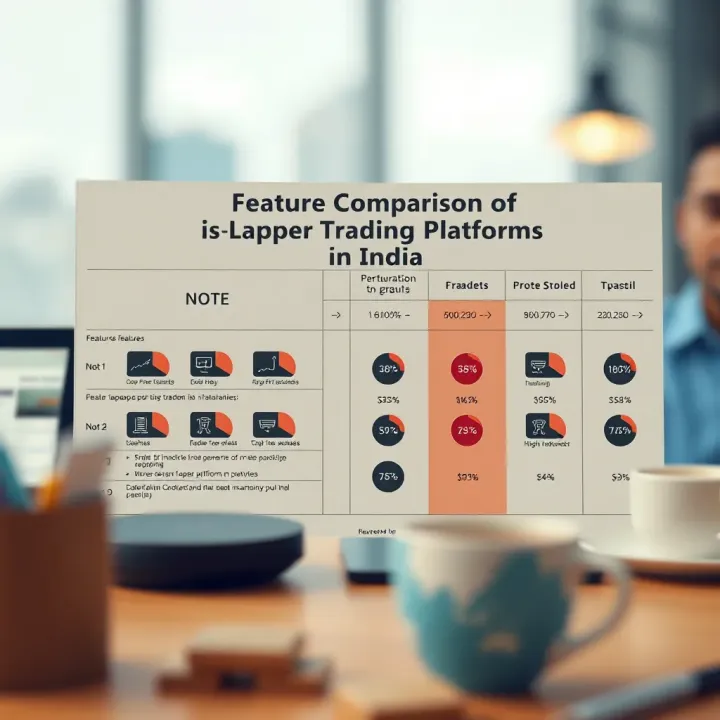
When choosing the best free paper trading platform in India, focus on features such as real-time market data, a user-friendly interface, access to multiple asset classes, and tools for technical analysis. Additionally, see if the platform supports order types like limit, stop-loss, and bracket orders, which are common in real trading.
Platforms like MoneyBhai, NSE Paathshala, and StockGro offer competitive paper trading services tailored for Indian markets. For example, MoneyBhai replicates the equity and derivatives markets with ₹1 lakh virtual money, enabling participants to simulate realistic trading scenarios.
Tip: Treat your virtual trades as if they were real. Discipline and consistency in paper trading will improve your chances of success when you shift to actual money trading.
Starting with paper trading also helps you understand brokerage charges, margin requirements, and taxation without facing financial losses. Moreover, you can compare how different strategies perform under varying market conditions, which is difficult when using real money.
In a nutshell, free paper trading platforms are vital tools for anyone serious about trading or investment in India. They offer the space to hone your skills, test new ideas, and avoid costly mistakes, all while staying on top of evolving market trends.
Paper trading plays a vital role for anyone entering the complex world of financial markets. It allows individuals to practise buying and selling stocks, commodities, or derivatives using virtual money, mirroring real market conditions. This hands-on experience is critical before committing actual cash, as it builds familiarity with trading platforms and market dynamics without the risk of losing money.
Paper trading is essentially a simulation of actual trading where no real money changes hands. Traders get a virtual portfolio, and they can place orders and track their performance based on live or delayed market data. For example, a newbie investor in Mumbai wanting to understand the stock market can use paper trading to see how buying shares of Reliance Industries might play out, all without spending a rupee.
The key advantage is learning how market orders work, understanding price fluctuations, and getting a feel of timing the market without real financial exposure. It’s like flight simulators for pilots.
The primary difference between paper trading and real trading lies in financial risk and emotional stakes. With paper trading, losses are virtual, so there’s no pressure to recover money or deal with actual financial consequences. However, this can sometimes make decisions feel less stressful and more calculated than in real scenarios where emotions like fear and greed impact choices.
Additionally, paper trading platforms may not perfectly match real-time market execution speeds, slippage, or liquidity constraints. For instance, a massive order on paper trading might execute instantly, while in real markets, it could affect the price or partially fill.
Paper trading platforms offer a risk-free environment to practise various trading strategies. Suppose you want to try swing trading or day trading with nifty options; you can test these concepts without the fear of losing money. This helps refine techniques and understand potential pitfalls before real investment.
Traders often think of novel approaches or combinations of technical indicators. Paper trading lets you test these hypothesises. For example, experimenting with moving average crossover signals or Bollinger Bands strategies on stocks like TCS or Infosys can reveal effectiveness without any monetary consequences.
Starting with paper trading helps build the confidence necessary for real trading. It familiarises traders with platform navigation, order placement, and market reactions. Once you see consistent success on paper, the transition to investing ₹50,000 or more becomes less daunting. Confidence also helps manage stress and emotional decisions, which are frequent causes of losses in live trading.
Paper trading is much more than just practising trades; it’s about understanding markets, mastering tools, and preparing emotionally for real investing.
In summary, paper trading platforms act as invaluable training grounds. They help investors in India learn market fundamentals, evaluate their strategies, and enter real trading with a sound mindset—leading to better financial decision-making and long-term success.
Selecting the right paper trading platform involves looking beyond just the free cost tag. Certain core features significantly impact how effectively you can practise and learn trading without risking real money. Understanding these essentials helps you choose a tool that fits your style, goals, and the kinds of assets you plan to trade.
A clear, simple interface allows you to focus on learning trading itself rather than wrestling with complicated menus or confusing dashboards. If the platform feels cluttered or sluggish, it can distract you from analysing price movements or placing trades accurately. For example, platforms like Zerodha Kite Simulator offer an intuitive layout with well-labelled tabs, which makes navigation painless even for freshers. Speed matters too — delays in loading data can skew your timing decisions, making the practice less realistic.
Your paper trading experience depends heavily on how closely simulated prices match real markets. Platforms that update quotes in real time or with minimal lag offer more accurate trading conditions. Conversely, delayed or outdated prices can mislead you about entry or exit points, giving you a false sense of success or failure. Using platforms connected to live exchanges, such as NSE Paathshala, lets you track realistic market movements. Plus, realistic order book details and depth of market reports can sharpen your understanding of liquidity and price action.
A good paper trading platform should provide access to various asset classes — equities, derivatives, commodities, and currencies — reflecting the diversity of India's markets. This breadth lets you practise strategies across segments, like testing options trading alongside share buying. It isn't just about variety but relevance too: commodities like gold and crude oil remain popular among Indian traders, while currency pairs such as USD/INR impact international trade and investments. Practicing with all these instruments helps you prepare for real-life portfolio management and risk diversification.
Effective analysis often distinguishes profitable traders from others. Paper trading platforms that come loaded with analytical tools like charting indicators, technical overlays, and pattern recognition give you an edge. These tools help identify trends and potential reversals, allowing hands-on practice applying technical analysis theories. For example, platforms with integrated RSI, MACD, and moving averages let you experiment before using those indicators live.
Automated guidance through video lessons, articles, or simulated scenarios adds tremendous value. Platforms offering educational content, such as Upstox’s learning modules, help bridge the gap between theory and application. These tutorials often tailor examples to Indian markets, making them more relatable and useful. This mix of learning alongside practising makes your progress more structured and effective.
Trading can be isolating without peer interaction. Community features like forums or chat support enable exchanging ideas, clarifying doubts, and sharing market insights. Having active support teams ready to resolve technical glitches ensures uninterrupted practice. Plus, connecting with fellow users expands your perspective and helps you understand diverse trading styles prevalent in India’s market ecosystem.
Choosing a platform with the right mix of these features can sharpen your trading skills effectively while ensuring you stay engaged and informed. Don't just pick for the freebies—pick what works for your learning curve and trading preferences.
When starting with paper trading, choosing the right platform sets the tone for your learning curve. The top free paper trading platforms available in India offer a safe space to experiment without risking real money. They allow you to understand market mechanics, test strategies, and gain confidence before stepping into live trading.
These platforms also simulate real market conditions, including live price updates and order executions, so your practice feels close to actual trading. Look out for features like ease of use, availability of various market instruments, and educational resources. For instance, if you want to explore derivatives or commodities alongside equities, you need a platform supporting these segments.
Platform overview: Zerodha is one of India's leading discount brokers, known for its robust trading services. Its Varsity education module explains markets in detail, while the Kite Simulator offers a practical paper trading environment. This combo is handy for beginners to learn concepts and immediately try them in a real-time virtual market.
Key features: Kite Simulator mirrors the live market prices and order book depth, allowing you to place virtual orders for equities, derivatives, and commodities. Its integration with Zerodha's advanced charting tools helps you analyse trends while practising. Varsity, on the other hand, provides structured lessons and quizzes for a solid theoretical foundation.
Pros and cons: The major plus is the seamless switch from learning to practising within the same ecosystem. However, Kite Simulator is accessible only to Zerodha account holders, which slightly limits its reach. Also, some users find that certain advanced order types or market scenarios may not fully reflect in the simulator.
Platform overview: Upstox, another popular discount broker, offers an intuitive paper trading feature via its Upstox Pro web and mobile apps. It targets both beginners and active traders looking to sharpen their skills without financial exposure.
Key features: This platform provides real-time market data and supports multiple asset classes like equities, futures, and options. Users can track portfolio performance, set stop losses, and simulate various trading strategies. The interface is user-friendly, making it easier to place and modify orders quickly.
Pros and cons: Upstox Paper Trading stands out for its straightforward design and mobile accessibility, which suits traders on the go. On the downside, some advanced analytical tools require switching to paid plans, restricting fully free usage. Technical glitches reported occasionally may disrupt the virtual trading experience.
Platform overview: NSE Paathshala is the National Stock Exchange's educational arm, providing a dedicated paper trading portal aimed at students and new investors. It ensures users learn alongside exposure to real-time market conditions.
Key features: The platform offers a simulated trading environment with access to NSE-listed equities and derivatives. Beginners benefit from structured tutorials and quizzes, plus the ability to track performance metrics over time. Since it is backed by NSE itself, the data authenticity remains top-notch.
Pros and cons: NSE Paathshala’s key advantage is its strong educational focus coupled with free access and official data. However, it might lack the polish and advanced features found in commercial broker platforms, making it less appealing to seasoned traders.
Brief introductions: Platforms like TradeAcademy are gaining ground by combining learning modules with live simulation. These new entrants often target niche segments such as commodity trading or algorithmic trading practice.
Notable features: Their unique selling points include personalised mentorship, gamified learning experiences, and community-driven challenges. While still evolving, these platforms offer flexible study and trading practice options that go beyond straightforward simulation.
These platforms provide fresh alternatives for those seeking specialised learning paths along with practical trading experience.
Choosing the best paper trading platform depends on your specific goals—be it learning the basics, practising complex derivatives strategies, or testing algorithms. Consider factors like instrument variety, data accuracy, ease of use, and educational support before making your pick.
Paper trading is not just about practising trades without real money; it requires a strategic approach to make the experience truly valuable. Maximising your use of paper trading platforms can sharpen your skills and prepare you for live markets. Let’s break down the key steps to help you get the most.
Start by setting clear, achievable goals within your paper trading journey. Instead of randomly buying and selling, design a trading plan just like you would in real life. For example, decide what type of assets you want to focus on—equities, commodities, or derivatives—and what your risk tolerance would be if real money were involved.
Your goals could be simple, such as improving your timing, understanding stop-loss placement, or mastering technical analysis. Setting targets like "achieve a 5% return in one month" or "test a new option strategy" gives you focus. This discipline prevents aimless trading and helps track progress more objectively.
Keeping records is vital. Use the platform’s portfolio history or maintain a separate trading journal to note down every trade’s rationale, outcome, and what went right or wrong. Over time, you might notice patterns—maybe you exit trades too early or hold on too long.
For instance, if you consistently lose money on intraday trades but do better with positional trades, this insight helps refine your approach before risking real capital. Paper trading lets you safely make and learn from mistakes, which is impossible with live funds. Such reflection builds stronger trading habits.
Knowing when to shift from paper trading to actual markets is key. Usually, when you consistently meet your trading goals and your paper trades resemble live trades in scale and behaviour, you should consider the switch. Avoid rushing just because you feel confident; paper trading lacks the emotional component of risking real money.
A smart approach is to start small with live trades while continuing paper trading. For example, invest a modest sum initially, watch how emotions like fear or greed affect you, and adjust accordingly.
Emotions behave differently when real money is on the line. Paper trading does not trigger the same stress or excitement, so when you move to live trading, managing fear and greed becomes critical. Plan your position sizes carefully and use risk management tools like stop-loss orders.
Start with small investments to control emotional swings. If you find yourself deviating from your plan due to panic or over-confidence, step back and review your strategy. Practice in paper trading helps, but real experience with managing emotions is the final test before becoming a confident trader.
Effective paper trading combines realistic goal-setting, thorough performance analysis, and careful emotional preparation before moving to live markets. Following this method increases your chances of long-term success in trading.
Selecting the right paper trading platform comes down to understanding your specific needs and how a platform's features can support them in a practical way. While many platforms appear similar at first glance, subtle differences in usability, market data quality, and learning resources can significantly affect your experience. For instance, if you prefer trading derivatives like futures and options, a platform that offers realistic derivative instruments with timely updates will suit you better than one focused mainly on equities.
Start by listing what you want to achieve from paper trading. Are you testing complex option strategies, practising day trading, or learning to analyse long-term market trends? A platform like Zerodha's Kite Simulator might serve well for equities and derivatives, while NSE Paathshala offers robust educational content paired with trading practice, catering especially to beginners. Also consider the interface—if it resembles real platforms you might use for live trading, the transition will be smoother.
Remember, some platforms include features that others lack. For example, Upstox’s paper trading provides good charting tools to analyse technical patterns, making it useful for technically minded traders. Meanwhile, newer platforms may focus more on community support or AI-driven insights. Match these tools to your approach so you gain the maximum from your practice.
Markets evolve quickly and so do trading platforms. A platform that regularly updates its features, incorporates new instruments, or keeps pace with regulatory changes will stay relevant longer and serve you better. The NSE and SEBI often announce changes impacting trading conditions; platforms adapting quickly to these shifts ensure your practice mimics real market challenges.
Keep an eye on new tools like mobile app features, enhanced analytical dashboards, or integration with charting software. For example, a platform that adds risk management features or supports multi-asset trading can expand your skill set. Staying updated helps you avoid falling behind and makes sure your paper trading remains aligned with live market realities.
The best paper trading platform is one that grows with your skills, providing practical tools and realistic market environments suited to your evolving needs.
Ultimately, take some time to try multiple platforms before settling on one. Using their free paper trading options allows you to explore interfaces, test features, and decide which aligns best with your trading style and goals.
📈 Explore the best free online paper trading platforms in India! Practice stock market trades risk-free, learn strategies, and build confidence before investing real money.

📈 Explore online paper trading in India: learn how to practice stock trades risk-free, discover benefits, challenges, and tips for success.

📈 Learn live paper trading in India! Practice strategies using real-time data without risk, build skills, and gain confidence before real investments.
Explore top trading apps in India 📱 Compare fees, security, user experience & features to find the best platform for beginners and pros alike! 💹
Based on 9 reviews