
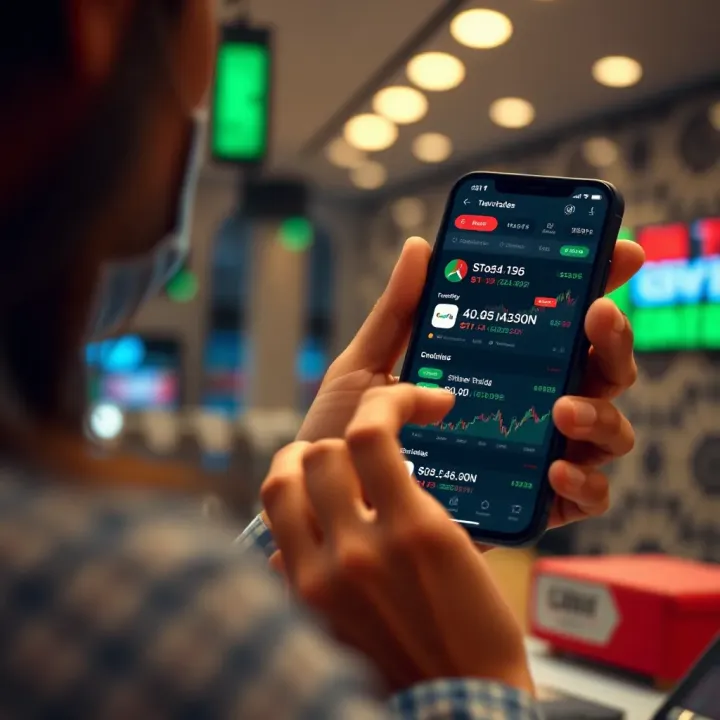
Guide to Online Share Trading Apps in India
Explore top online share trading apps in India 📱. Learn how they work, fees, security, tips, and choose the best app to boost your trading skills confidently.
Edited By
Thomas Edwards
Choosing the right online share trading app in India can shape your investment journey significantly. With numerous platforms available, each with distinct features and fee structures, your choice should be based on a fit for your specific trading style, risk appetite, and financial goals.
Several factors play into picking an app that works best. Usability matters a lot; a clean interface helps you act swiftly, especially during volatile market movements. For example, Zerodha's Kite app lets you track your portfolio and execute trades quickly with minimal screen clutter, which suits active traders.
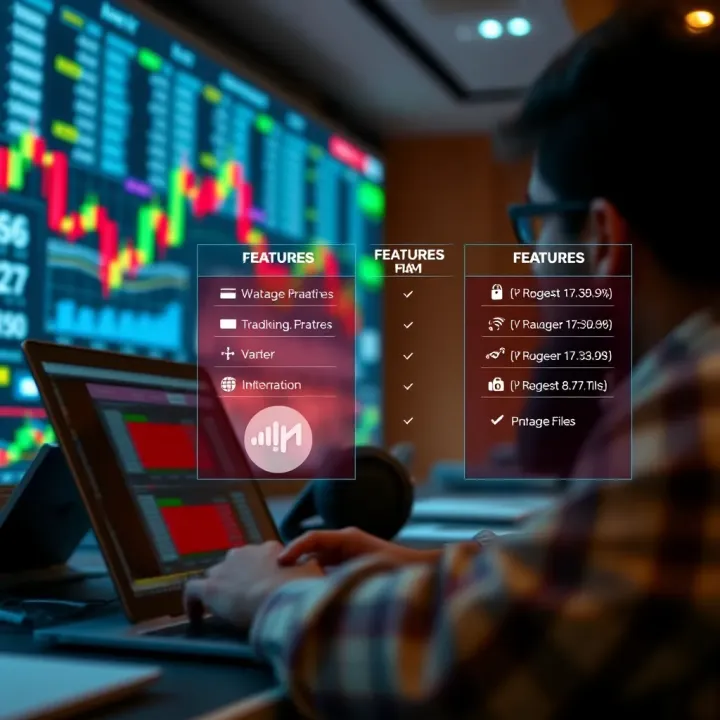
Charges can eat into your returns if you don't watch out. Brokerage fees, account maintenance charges, and taxes like Securities Transaction Tax (STT) vary widely. Some apps offer zero brokerage, like Upstox, but may have hidden costs in order execution or withdrawal fees. Compare these carefully.
Security is equally critical. Your app should comply with guidelines set by the Securities and Exchange Board of India (SEBI) and include multi-factor authentication, data encryption, and secure payment gateways to protect your money and data.
Consider also customer support and educational resources. Platforms like Groww and Angel One provide extensive tutorials and responsive support, which can be valuable for new investors learning the ropes.
An ideal trading app balances cost, ease of use, security, and support to help you trade confidently and efficiently.
In short, do not pick solely based on popularity or aggressive marketing. Analyse the key features suited to your needs. Pay attention to:
User Interface and Experience: Should be intuitive for quick decision-making.
Brokerage and Fee Structure: Transparent and competitive pricing to save costs.
Regulatory Compliance: Must be registered with SEBI to ensure legitimacy.
Security Measures: Robust protocols to protect your investments.
Additional Features: Such as research tips, alerts, and portfolio analysis.
Understanding these points upfront can safeguard you from costly mistakes and ensure a smoother trading experience in India’s growing online market.
Choosing the right online share trading app is not just about signing up with the most popular platform. The app must align with your trading style, offer reliable features, and keep your data secure. In India’s growing trading market, many apps boast diverse tools and pricing models. Understanding what to check helps you trade confidently and avoid surprises.
Ease of navigation plays a critical role in trading efficiency. A cluttered or complicated app interface can lead to missed opportunities or costly mistakes. For example, apps like Zerodha Kite and Angel One provide well-organised dashboards where you can quickly place orders or check market trends without hunting through menus. Smooth navigation saves time and reduces stress during volatile market hours.
Mobile responsiveness ensures you can trade effectively on the go, which is vital as many Indians prefer mobiles over desktops. A mobile-friendly app adapts to different screen sizes and maintains fast loading times, even on slower networks common in tier-2 or tier-3 cities. Upstox’s mobile app is a good example, offering seamless trading without lag.
Customisation features allow users to tailor the app according to their needs. This includes setting watchlists based on preferred stocks, custom alerts for price changes, or personalised dashboards displaying relevant indices or sectors. Customisation enhances user control and helps in focussing on what matters, especially for active traders.
Real-time market data is the backbone of effective trading. Delays can mean quoting prices that don’t reflect current market conditions, leading to poor decision-making. Reliable apps offer live updates integrated with NSE or BSE, critical for day traders who rely on split-second information.
Charting and technical analysis tools enable traders to interpret market trends visually and make informed predictions. A good app provides various chart types, technical indicators, and drawing tools. For instance, Zerodha Kite offers advanced charting options that help understand price movements and plan entry or exit points.
Order types and execution speed impact how well you can implement your trading strategies. Beyond simple market and limit orders, advanced options like stop-loss or bracket orders give better control over risks. Execution speed ensures your order reflects the intended price, a crucial factor during rapid market fluctuations.
Brokerage fees comparison should be a priority. Different apps have varied charging models—some opt for fixed fees per trade while others charge a percentage. For example, Zerodha charges a flat ₹20 per trade, which suits frequent traders, whereas Angel One offers zero brokerage on certain segments.
Account opening charges vary across platforms, with some apps waiving these if you meet minimum criteria, such as trading volume. This upfront cost can affect your decision, especially if you're a new investor starting small.
Hidden or additional costs often catch traders unaware. These might include fees for fund transfers, SMS alerts, or technical analysis tools. Always check the fine print to avoid unnecessarily inflating trading costs.
Regulatory approvals (SEBI registration) guarantee that the app operates under India’s strict securities laws. Trading through registered brokers protects your investments and ensures dispute resolution mechanisms.
Data encryption and user privacy safeguard your financial and personal information from breaches. Trusted apps use end-to-end encryption and comply with data protection norms, crucial given the rise in cyber threats.
Fraud prevention measures include multi-factor authentication, transaction alerts, and fraud detection algorithms. For example, apps that notify you of logins from new devices or abnormal trading patterns help prevent unauthorised access.
Always prioritise security and compliance alongside user experience and costs when selecting an online share trading app. This balanced approach helps protect your capital while making trading efficient and affordable.

Understanding the leading share trading apps in India offers practical insights for investors to make informed choices. These apps vary in usability, cost structures, and features, so a quick overview helps compare their benefits side by side. By focusing on popular platforms like Zerodha Kite, Upstox, Angel One, and 5Paisa, readers get a realistic picture of what suits their trading style and budget.
Key features: Zerodha Kite prides itself on a clean, intuitive interface that eases trading even for novices. It provides real-time market data, advanced charting tools, and a rich selection of order types, essential for traders aiming to react quickly to market movements. The platform also integrates seamlessly with its powerful back-end, enabling faster order placements and smooth user experience across devices.
Brokerage structure: Zerodha operates on a flat fee model for equity delivery trades—zero brokerage, encouraging long-term investors. For intraday and F&O (futures and options), it charges ₹20 per trade regardless of quantity, which benefits high-volume traders by capping expenses. This transparent brokerage system has attracted millions of users who want predictable costs.
User feedback: Many users appreciate Zerodha Kite’s speed and reliability, especially during volatile trading sessions. However, beginners sometimes mention the initial learning curve with its advanced features. Overall, the app receives positive remarks for customer support and consistent updates to enhance performance.
Trading tools offered: Upstox provides a range of technical analysis tools, including over 100 indicators and customised charting options. These tools help traders spot trends and execute strategies efficiently. Its API-based integrations also allow algorithmic traders to automate trades seamlessly.
Charges: Upstox uses a zero brokerage model on equity delivery and charges ₹20 for intraday and F&O trades, similar to Zerodha. It also offers various plans tailored to traders with different volumes, helping users choose cost-effective options that match their needs.
Platform strengths: Upstox stands out for its mobile responsiveness and fast execution speeds. The app features multi-asset support, including currencies and commodities, giving traders several avenues beyond stocks. Users highlight its modern design and ease of access through both mobile and desktop platforms.
App interface: Angel One’s app showcases a user-friendly layout with easy navigation, making it suitable for investors who prefer simplicity over complexity. The interface arranges key features like portfolio tracking and market news visibly, reducing clutter.
Additional services: Beyond trading, Angel One offers investment options such as mutual funds and insurance, granting users a one-stop financial service platform. These add-ons provide a broader financial planning scope, especially for retail investors.
Cost effectiveness: Angel One follows a discount brokerage model with no charges on investing in stocks and mutual funds, while intraday trades attract nominal fees. Its cost structure benefits casual traders looking for diverse investment avenues without heavy transaction charges.
Trading plans: 5Paisa provides multiple plans, from pay-per-trade to monthly subscription, catering to different trader profiles. The subscription model lets frequent traders reduce costs, while the pay-per-trade plan suits beginners or occasional traders who prefer no fixed monthly fee.
Mobile app features: The 5Paisa app is designed with simplicity and speed in mind. It equips users with basic charting, watchlists, and portfolio management tools that are easy enough for novices to grasp quickly.
Suitability for beginners: Thanks to its straightforward interface and cost-efficient plans, 5Paisa gains popularity among new traders. The app also offers educational content to help users understand the market, thereby improving trading confidence.
Choosing the right app depends on your trading frequency, style, and priorities. This overview highlights how each platform addresses these needs differently, helping you pinpoint the app best suited to your trading journey.
Choosing the right trading app depends heavily on your individual needs and preferences as an investor or trader. The best fit for someone actively making multiple trades a day will differ from a long-term investor who trades occasionally. It’s vital to assess various factors such as your trading habits, budget, and willingness to test apps before committing.
Frequency of trading greatly influences your choice. If you trade frequently, say every day or multiple times per week, you need an app with quick execution, real-time data, and minimal downtime. For example, a day trader cannot afford delays in order execution; platforms like Zerodha Kite or Upstox offer fast response times suitable for high-frequency trading. Conversely, if you trade only a few times a month for long-term investment, you can prioritise an app with better research tools and a user-friendly interface instead of speed alone.
Investment style (long-term vs day trading) should match the app’s features. Long-term investors generally benefit from apps providing in-depth stock analysis, portfolio tracking, and SIP (Systematic Investment Plan) options. Day traders require advanced charting tools, technical indicators, and the ability to place complex orders quickly. Angel One and 5Paisa, for example, offer diverse tools catering to different investment approaches. Understanding your style helps narrow down options that fit how you plan to operate in the market.
Preferred markets and instruments also matter. Some apps specialise in equities, while others provide access to commodities, derivatives, mutual funds, or even international stocks. If you wish to trade in derivatives or currency futures, the app must support these segments with appropriate order types and margin facilities. Confirming the availability of your desired markets beforehand prevents switching apps mid-way, saving time and hassle.
Weighing cost vs benefits is crucial since every platform charges differently for brokerage, account maintenance, and additional services. Some charge a flat fee per trade, while others levy a percentage. Lower charges might mean fewer features or slower customer support. For instance, Zerodha’s ₹20 per trade model works well for those making larger-sized trades but may be pricey for small orders. Careful comparison ensures that cost savings do not come at the expense of essential functions.
The difference between free versus paid features can influence your decision. While many apps offer basic services like trading and market data free of cost, features such as advanced charting, advisory services, or priority customer care often come at a premium. If you are a novice just starting, a free plan might suffice. However, active traders could benefit from paid subscriptions that enhance efficiency and decision quality.
Always remember the impact of brokerage on returns. Even a small percentage cut on frequent trades can eat into profits or increase losses. For someone trading regularly, brokerage costs accumulate and significantly affect overall returns. Choose an app that balances low brokerage with good trade execution support. For instance, 5Paisa offers budget-friendly plans with reasonable charges suited for smaller investors.
Using demo accounts is an excellent way to get a real feel of the app’s interface and features without risking actual money. Many apps provide virtual trading to test navigation, order placement, and tools. This hands-on experience helps avoid surprises once live trading begins, especially for beginners unfamiliar with digital platforms.
Reading user reviews across independent websites or forums provides valuable insights into an app’s reliability, customer service, and bug issues. While online reviews should be taken with a pinch of salt, consistent feedback patterns highlight strengths and weaknesses. For example, if many users report app crashes during peak market hours, that’s a significant red flag.
Finally, seeking recommendations from experienced traders, financial advisors, or peers adds practical perspective. Personal experiences often uncover nuances not obvious from features lists or marketing. Peer suggestions can steer you toward apps that match your trading behaviour and expectations closely, helping make a confident choice.
Taking time to evaluate your trading frequency, style, and budget, while experimenting with demos and gathering feedback, ensures you land on an online share trading app that feels right and performs well for you.
Security and compliance are non-negotiable when you choose an online share trading app. With millions trading from their smartphones, ensuring the app follows strict rules and employs strong security measures protects your investments and personal information from misuse or theft.
Mandatory registrations: Every credible trading app in India must have registration with the Securities and Exchange Board of India (SEBI). This registration ensures the platform is authorised to operate and complies with Indian market regulations. For you as a user, this registration is a basic check that the app is legitimate and not a fly-by-night operation. Always verify that the app displays its SEBI registration number before you start trading.
Investor protection measures: SEBI mandates various protections for investors to reduce risks and ensure fair play. These include ensuring brokers maintain client accounts separately from their funds (client segregation), timely settlement of trades, and a grievance redressal mechanism within the brokerage. For example, if a dispute arises, SEBI provides a framework to escalate complaints. Knowing these protections exist offers you peace of mind that your trades and funds have a safety net.
Two-factor authentication: This adds an extra layer besides your password to login or approve transactions. For instance, after entering your password, you might receive a one-time password (OTP) on your mobile. Two-factor authentication reduces the risk of unauthorised access, especially if hackers get hold of your password. Ensure your chosen app uses this method to secure your account.
Secure payment gateways: When transferring funds between your bank and trading account, secure payment gateways protect your money. Trusted apps use encrypted connections for transactions to prevent interception or data leak. Look for apps that integrate with well-known payment systems like UPI or net banking with end-to-end encryption for safer payments.
Data protection policies: Handling your personal and financial data responsibly is critical. Leading trading apps follow stringent data protection norms and inform users about how they collect, use, and store data. This includes compliance with data privacy laws and measures like end-to-end encryption of sensitive information. Before signing up, review the app’s privacy policy to understand their commitments.
Recognising phishing attempts: Phishing is when fraudsters send fake emails, messages, or calls pretending to be your trading platform asking for passwords or OTPs. These tricks can cause loss of funds. Always double-check the sender’s details, avoid clicking suspicious links, and never share your login credentials. Genuine broking firms will never ask for passwords via phone or message.
Reporting suspicious activities: If you notice unusual transactions, unexpected notifications, or suspect a security breach, report it to the app’s support immediately. Prompt reporting can help freeze accounts and prevent further damage. Additionally, SEBI and exchanges provide helplines for reporting fraud. Keeping a record of all communications helps during investigations.
Best security practices for users: On your side, always update the app and your mobile’s OS to the latest versions. Use strong unique passwords and change them periodically. Avoid using trading apps on public Wi-Fi to reduce interception risks. Using biometric locks where available adds further security. A cautious approach combined with the app’s built-in security features will greatly reduce risks.
Security and compliance form the backbone of trust in online share trading. Choosing an app that prioritises them protects your money and ensures a safer trading experience. Never ignore these factors even if other features look attractive.
The online share trading landscape in India is evolving fast, shaped by new technologies and changing user needs. Keeping an eye on future trends helps you choose apps that stay relevant and continue offering value. Instead of just focusing on today's features, understanding upcoming developments such as AI, automation, integration with national infrastructure, and broader access can give you a long-term advantage.
Algorithmic trading is gaining traction among traders who want speed and precision. This means using computer programmes to automatically place orders based on predefined strategies or market signals. For instance, a swing trader might set algorithms to buy when a stock hits a certain moving average and sell at a target profit. This reduces manual monitoring and helps react quickly to market changes, especially during volatile phases.
Personalised investment advice powered by AI is becoming a norm rather than an exception. Advanced trading apps analyse your portfolio, risk appetite, and market data to offer customised suggestions. This makes investing more accessible for beginners who might otherwise feel overwhelmed by choices. Instead of generic tips, you get insights tailored to your profile, increasing the chances of better returns with controlled risk.
Thanks to India Stack, many trading apps are offering seamless fund transfers through Unified Payments Interface (UPI). This means you can quickly move money between your bank and trading account without delays or extra steps. Such integration reduces friction, especially during intraday trades where timing is crucial. For example, platforms like Zerodha and Upstox use UPI-based payments, speeding up deposits and withdrawals.
Faster onboarding processes are another practical outcome of integration with India Stack. Instead of submitting physical documents and waiting days for verification, apps now use Aadhaar-based e-KYC (know your customer), speeding up account opening to minutes or hours. This helps traders and investors start faster, a significant benefit for those who want to jump into the market promptly or are operating in tier-2 and tier-3 cities.
With mobile data becoming cheaper and more widespread, a growing number of users from smaller towns are joining online trading. Affordable smartphones and expanded 4G coverage have brought stock markets within reach of people who earlier depended on brokers or agents. This rising data penetration means apps need to optimise for low bandwidth and intermittent connectivity, making a lightweight but functional design essential.
App localisation efforts support these users by providing interfaces in regional languages and incorporating local cultural nuances. For example, trading apps now offer Hindi, Tamil, Telugu, Kannada, and Marathi versions. This change allows a broader audience to engage comfortably with the platform, reducing barriers that language had created before. Such efforts create a more inclusive environment and broaden market participation across India.
Staying updated on these trends will help you pick a trading app that isn't just good today but continues to serve your needs as markets and technology evolve.
Explore top online share trading apps in India 📱. Learn how they work, fees, security, tips, and choose the best app to boost your trading skills confidently.

Explore top online share trading apps in India 📱 Learn key features, safety tips, app benefits, and challenges to choose the right platform for you.

📈 Discover how to trade shares online in India with apps! Learn key features, fees, safety tips, and manage your investments smoothly on mobile platforms.
Explore top online trading apps in India 📱 Compare features, security, costs, and ease of use to pick the best platform for stocks & commodities trading.
Based on 6 reviews