

Choosing the Best Online Stock Trading App in India
📱 Discover how to choose the best online stock trading app in India. Learn key features, security, tips, and popular apps for smarter investing.
Edited By
Sophia Turner
Choosing the right online trading app in India can make a significant difference to your investment journey. With hundreds of platforms available, each boasting various features and charges, it is easy to feel overwhelmed. The key is knowing which factors truly matter for your trading style and long-term financial goals.
Online trading apps have grown rapidly in popularity, thanks to convenient access, faster execution, and lower costs compared to traditional broking. However, not every app is built for all investors. While some apps excel in providing detailed charts and research tools for active traders, others focus on simplicity and easy navigation tailored for beginners or casual investors.
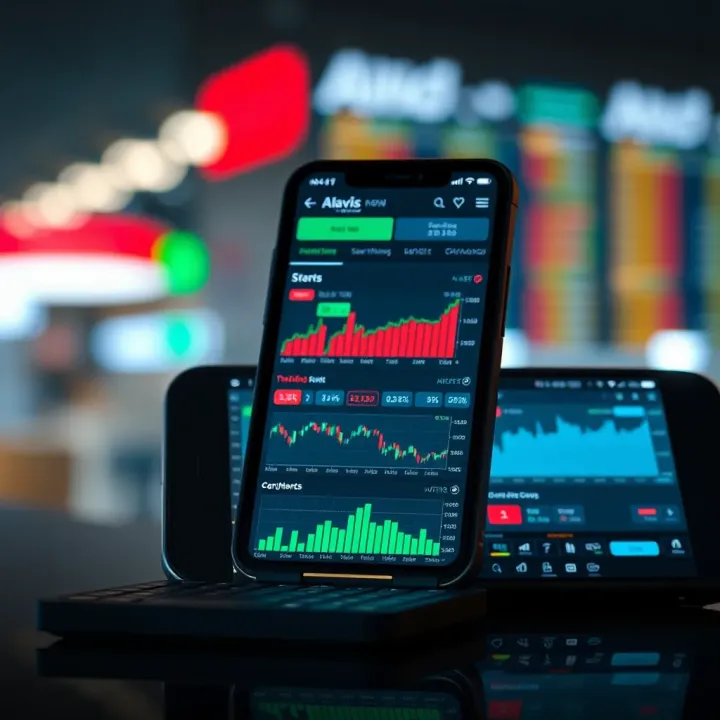
Before selecting a trading app, assess the following aspects carefully:
Usability and Interface: The app should load quickly, be intuitive, and let you place orders without unnecessary steps. Smooth navigation helps avoid mistakes during volatile markets.
Security: Check if the platform uses two-factor authentication (2FA), encryption, and compliance with regulations by the Securities and Exchange Board of India (SEBI). Your data and funds must stay secure.
Range of Instruments: Some investors prefer equities alone, while others trade derivatives, commodities, or mutual funds. Choose an app that supports the instruments you want to trade.
Cost Structure: Brokerages, transaction charges, and GST can add up. Look for transparent fee models that fit your trading frequency and portfolio size.
Reliability and Support: A reliable app avoids downtime during market hours. Responsive customer support is helpful when issues arise.
Selecting the best app is not just about the lowest fees or flashiest features. It means finding a platform that fits your specific needs and gives confidence in execution, security, and access to markets.
We will explore these points in detail, along with examples of well-known Indian trading apps like Zerodha, Upstox, and ICICI Direct, to help you choose wisely.
Choosing the right online trading app means considering key features that directly impact your trading efficiency, security, and overall experience. An app’s usability, range of instruments, and support tools can make a huge difference — especially for investors juggling multiple trades or long-term plans.
Ease of navigation is critical because a cluttered or confusing app can slow you down, leading to missed opportunities. Imagine trying to place a buy order during market volatility, but the app’s menus are jumbled or slow. A clean layout helps you access portfolios, charts, watchlists, and order placement swiftly without hunting for buttons.
Customisation options let you tailor the app to your preferences. Some traders prefer dark mode for late-night sessions; others want to rearrange dashboards to display favourite stocks upfront. An app like Zerodha Kite provides features to pin frequently used tools or set up personalised alerts. This flexibility enhances usability and saves time.
Mobile responsiveness ensures the app works smoothly on different devices, particularly smartphones, which many Indians rely on for trading. Mobile-friendly apps adjust layouts automatically, avoid lag, and optimize performance even on 4G networks. For example, Upstox’s mobile app offers seamless scrolling and quick order execution, key for traders on the move.
Stocks and equities form the core of most trading apps, so a broad selection across NSE and BSE-listed companies is vital. Availability of small, mid, and large-cap options lets you build a diversified portfolio. Look for apps supporting both delivery and intraday trading with real-time price updates.
Mutual funds and Systematic Investment Plans (SIPs) within the app allow easy investment in these diversified instruments. Groww’s integrated mutual fund and SIP products appeal to users wanting a one-stop shop, combining stock trading and mutual fund investments without switching platforms.
Derivatives and commodities are lucrative but riskier segments. Apps offering futures and options in stocks, indices, and commodities like gold or crude oil provide growth avenues for experienced traders. For instance, Angel One allows commodity trading alongside equities, offering more choices.
Currency trading caters to those interested in forex markets, providing access to INR pairs against USD, EUR, etc. It's useful for traders hedging currency risk or speculating on forex movements. Make sure the app offers transparent pricing and efficient execution for forex trades.
Market analysis tools within the app help you make informed decisions. Features like technical charts, fundamental data, and expert commentary equip you to spot trends. Many apps, such as Zerodha Kite, offer in-built analytical tools that save switching to external sites.
Real-time data and alerts keep you updated on market moves, stock price changes, and news events. Timely alerts on price thresholds or volume spikes let you react quickly — crucial in volatile markets. These notifications can be customised to suit your trading style.
Learning resources for investors help new and even seasoned traders sharpen skills. Video tutorials, blogs, webinars, and glossary sections act as handy references. Groww and Upstox provide such educational material within the app, making it easier for users to learn as they trade.
Selecting an app with these features ensures you not only trade securely but also stay informed and adaptable in the fast-moving Indian markets.
Encryption safeguards data by transforming it into an unreadable format for anyone without the proper decryption key. Most trusted trading apps use Advanced Encryption Standard (AES) with 256-bit keys, which is currently the industry benchmark. This ensures that when you submit details like your PAN card number or banking credentials, hackers cannot intercept and misuse your data. Apps lacking strong encryption risk exposing your confidential information through cyber threats.

Two-factor authentication (2FA) adds an extra lock on your account by requiring two proofs of identity before granting access. Besides your password, you might need to enter a one-time password (OTP) sent to your mobile or use biometric verification like fingerprint or face ID. This step is crucial in preventing unauthorised logins, especially if your password gets compromised. For example, Zerodha and Upstox offer 2FA methods to keep trader accounts protected from unauthorised access.
Secure login protocols like OAuth and SSL/TLS secure the connection between your device and the app’s server. This prevents attackers from hijacking your session or stealing login credentials during transmission. A secure app shows a locked padlock icon in the browser or interface, indicating that data exchanges happen over encrypted channels. Without such protocols, you risk falling victim to man-in-the-middle attacks or session hijacking.
The Securities and Exchange Board of India (SEBI) regulates investors’ protection and market integrity. An online trading app must be registered with SEBI or operate through a SEBI-registered broker. This ensures the app follows fair practices, discloses charges transparently, and protects investor interests. For instance, using unregistered platforms could lead you into faulty operations or scams. Always confirm the app’s SEBI registration to trade safely in Indian markets.
Most trading apps in India link with brokers authorised by SEBI, who act as intermediaries to execute buy or sell orders on stock exchanges like NSE or BSE. Integration with legitimate brokers ensures regulatory oversight and settlement reliability. Avoid apps that do not disclose their broker partners or use unauthorised entities, as this exposes you to settlement risks and poor service standards.
Since financial transactions on trading apps involve fund transfers and payments, compliance with Reserve Bank of India (RBI) guidelines is essential. This includes secure handling of payment data, adherence to Know Your Customer (KYC) norms, and transparency in fund management. Apps that follow RBI mandates provide a safer transaction environment and reduce fraud risks. For example, RBI’s rules around UPI payments help protect your linked bank accounts during trading activities.
Always check whether your chosen trading app prioritises security through technological measures and follows Indian regulators’ guidelines. This dual assurance helps safeguard your investments and personal data effectively, allowing you to trade with confidence.
When selecting an online trading app in India, understanding the cost structure is as important as assessing its features or security. Trading costs directly affect your investment returns, often in ways investors overlook initially. Knowing the typical charges—brokerage fees, account maintenance, transaction costs, and withdrawal fees—helps you avoid surprises and pick a platform that suits your trading style and budget.
Brokerage fees form the core cost of trading and come mainly in two types: flat fee and percentage-based plans. In a flat fee model, you pay a fixed charge per trade regardless of its size, making it ideal for high-volume traders or those dealing in big quantities. For example, Zerodha charges a flat fee of ₹20 per executed order on equity delivery and intraday trades. On the other hand, percentage-based fees depend on trade value, common with full-service brokers like ICICI Direct. While percentage fees may seem small, they add up for large transactions, reducing profitability.
Discount brokerage options have become popular in India since they reduce costs by offering limited advisory services and focusing mainly on trade execution. Upstox and Groww are examples providing low brokerage fees—sometimes zero for equity delivery trades. These platforms suit investors comfortable with self-managing their portfolios and research. However, discount brokers might charge extra for specific services outside basic trading, so keep those costs in check.
Apart from brokerage, you must consider demat account maintenance charges. Most brokers levy an annual fee for holding your securities electronically; it typically ranges around ₹300 to ₹600 per year. This fee is separate from the trading app but essential since you need a demat account to own shares. For instance, Angel One charges around ₹300 yearly for demat maintenance. Choose platforms that either waive this fee for new users or bundle it into their plans.
Transaction charges apply on buying and selling securities, including exchange transaction fees, Securities Transaction Tax (STT), GST, and stamp duty. These may seem minor individually, but frequent traders feel their impact. The app or broker usually passes them transparently, so compare total costs rather than just the obvious brokerage.
Fund withdrawal fees are less common but can apply when transferring money from your trading account to your bank. Some brokers allow free monthly withdrawals, while others charge ₹10–₹25 per transaction beyond a free limit. If you intend frequent fund movement, verify these policies to avoid unnecessary spending.
Choose a trading app not just by zero brokerage offers but by understanding the whole cost picture that suits your trading habits and investment goals.
Careful attention to these charges saves you money in the long run and helps in selecting a genuinely cost-effective online trading app.
Choosing the right trading app can be a game-changer for your investments. Each platform offers a mix of features, costs, and user experiences tailored for different types of traders. Comparing popular online trading apps helps investors spot the best fit for their goals, whether they prefer active trading, long-term investment, or a blend of both. For example, you might value low brokerage fees more than sophisticated charting tools, or want quick access to mutual funds alongside stocks.
Zerodha Kite is well-known for its clean, user-friendly interface that appeals to beginners and experienced traders alike. It provides fast order execution, smart watchlists, and seamless integration with its flagship back-office platform, Coin, for mutual funds. The app supports various financial instruments including equities, commodities, futures, and options, making it versatile. Also, Zerodha's flat brokerage fee of ₹20 per trade irrespective of volume is attractive for high-frequency traders.
While Kite is robust, its research tools are somewhat basic compared to others. Advanced traders looking for in-depth market analytics might find it lacking. The app also doesn’t have a dedicated customer support team readily available on chat or phone; resolution can take time through email. Moreover, it doesn’t support trading in currency pairs, which might matter to some forex traders.
Upstox combines affordability and advanced features effectively. It offers low-cost plans with zero brokerage for investments under ₹1 lakh per trade, which is great for casual investors. Its app features interactive charts and full market depth, which appeal to active traders. Upstox also supports stock, mutual funds, derivatives, and currency trading, providing good flexibility.
However, the learning curve can be a little steep because of the extensive tools and market data on display. Beginners might find the interface a bit overwhelming initially. Customer support is improving but still inconsistent, especially during high-demand periods. Occasional glitches during peak hours have been reported, affecting order placement.
Groww has surged in popularity by focusing on simplicity and accessibility. Its app is excellent for first-time investors interested primarily in equities and mutual funds. The platform's clean design and extensive educational resources help users take confident steps. Groww provides easy options for SIP (Systematic Investment Plan) setups and seamless KYC completion.
This simplicity comes at the cost of advanced trading features. Groww does not support derivatives trading or commodities, limiting active traders. The app’s order execution speed is decent but not the fastest available, which matters during volatile markets. Also, customer service mainly operates through chat, which can delay immediate problem-solving.
Angel One caters to a broad audience with a comprehensive product suite including equities, derivatives, commodities, mutual funds, and even IPO investments. The app’s integrated approach with a full-service brokerage model means investors get access to research reports, advisory services, and personalised support. Its combo of flat and percentage-based brokerage fees gives flexibility for different trading volumes.
Angel One’s app can feel cluttered due to the many features crammed into one platform, sometimes slowing navigation. The onboarding process requires more documentation than discount brokers, which could deter fast movers. Some users have noted delays in app updates and occasional inconsistencies in real-time pricing data, impacting trade timings.
Comparing these apps side-by-side gives you a clearer picture of what suits your trading style and priorities. Whether you prioritise low costs, wide instrument coverage, or ease of use, there’s an option that fits your needs in India’s growing online brokerage landscape.
Using an online trading app effectively can shape your investment outcomes significantly. Beyond choosing the right platform, knowing how to utilise its features smartly can save time, reduce risks, and help you capture market opportunities. Here we explore practical tips that help you get the best from your app.
Tracking preferred stocks is one of the most basic yet powerful ways to stay on top of your investments. Instead of manually searching for prices or company news, you can create personalised watchlists on apps like Zerodha Kite or Upstox. This feature lets you monitor multiple stocks at once without clutter, making it easier to observe trends or spot entry points quickly.
Timely notifications push market updates directly to your device, so you don’t miss important price movements or news. Suppose you hold shares of Reliance Industries; an alert for a sudden price swing or corporate action means you can react quickly—whether to buy, sell, or hold. These notifications act like a personal assistant, providing timely prompts without requiring you to be glued to your screen.
Automation of investments through Systematic Investment Plans (SIP) helps maintain discipline and smoothens market volatility effects. Many apps now offer SIPs in mutual funds with flexible amounts and dates, enabling investors to contribute regularly without manual effort. For example, Groww allows you to start SIPs with as low as ₹500, automating your wealth creation while you concentrate on other priorities.
Long-term portfolio management tools assist in evaluating asset allocation, monitoring performance, and rebalancing when necessary. These features provide a clear view of your overall investments instead of isolated stock or fund details. Angel One, for instance, offers portfolio health checks and risk analysis, helping you adjust your holdings according to goals and risk tolerance over time.
Help centres and chat support within an app provide quick resolutions for technical issues or account queries. When you face difficulty placing an order or updating KYC details, instant chat support available in apps like Upstox can save valuable time compared to emails or phone calls.
Community forums add a layer of peer interaction, where investors share experiences, strategies, and market insights. These forums, often integrated into trading platforms or external sites, help especially new investors to learn by discussing real scenarios. Being part of such a community can boost confidence and awareness, avoiding common pitfalls in the trading world.
Harnessing these features fully turns your trading app into a practical companion, not just a tool. Proper use of watchlists, alerts, automated investments, and support services will make your investing smoother and more informed.
📱 Discover how to choose the best online stock trading app in India. Learn key features, security, tips, and popular apps for smarter investing.

Explore top algorithmic trading apps in India📈, featuring seamless execution, tailored strategies, RBI-compliant safeguards & tips for smart investing₹.

Explore top online trading apps in India 📱 Compare features, security, costs, and ease of use to pick the best platform for stocks & commodities trading.

📈 Explore online forex trading in India with this detailed guide. Learn market basics, strategize smartly, and manage risks for better decisions. 🇮🇳
Based on 11 reviews