

Intraday Trading Guide for Indian Traders
Learn practical intraday trading tips and strategies 🎯 tailored for Indian markets. Understand core principles, manage risks, and boost your trading skills today!
Edited By
Oliver Mitchell
Intraday trading, the practice of buying and selling stocks within the same trading day, demands a platform that responds swiftly and reliably to market movements. Choosing the best site for intraday trading in India isn’t just about flashy features—it's about finding a service that aligns with your trading style and offers practical tools with straightforward charges.
A reliable trading platform must offer real-time data feeds, minimal latency, and stable connectivity, especially during high-volatility sessions. Delays or outages during critical moments can cost heavily, so brokers like Zerodha, Upstox, and Angel Broking invest in robust infrastructure to keep traders connected.
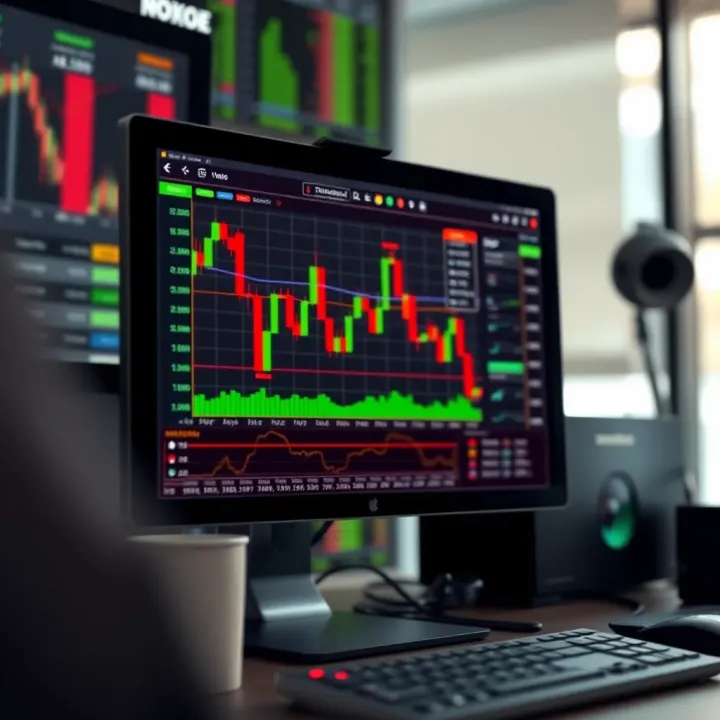
Equally important are the trading tools provided. Features like advanced charting, technical indicators, and customisable watchlists help traders analyse and react quickly. For example, Upstox Pro and Zerodha’s Kite platform come with comprehensive charting options and allow traders to set automated alerts, making decision-making faster.
Cost factors weigh heavily for intraday traders. Brokers typically charge brokerage per trade or a fixed monthly fee. For instance, Zerodha charges a flat ₹20 or 0.03% per executed order, whichever is lower, making it attractive for high-frequency trades. Hidden charges like GST, Securities Transaction Tax (STT), and other levies also influence overall cost, so double-check fee structures before locking in.
User convenience must not be overlooked. A clean, intuitive interface saves time and reduces errors during fast-paced trading. Mobile apps like Angel Broking’s mobile platform offer user-friendly designs and instant order placements, vital for traders on the go.
Choosing the right platform means balancing cost, tools, reliability, and ease of use. This can significantly impact your intraday trading success.
In summary, the best intraday trading site is one that offers fast, stable execution; advanced analytical tools; transparent, low-cost brokerage; and an interface that suits your habits. Keeping these factors in mind helps you cut through the noise and pick a platform tailored to your trading needs in the Indian market.
Choosing the right intraday trading site is a game-changer for traders wanting to make quick and profitable decisions. The platform you use must offer features that boost your chances of success, minimise delays, and safeguard your trades. Here’s a breakdown of the key features you should prioritise.
Intraday trading depends heavily on timely data. Getting live market updates and executing trades swiftly can make a significant difference between locking in profits or suffering losses. For example, a platform delivering real-time data from NSE and BSE without lag lets you react instantly to price swings. Besides that, latency in order execution should be minimal; a fractional delay can lead to buying or selling at unfavourable prices. Consider platforms that boast direct market access (DMA) as they provide quicker trade execution compared to those routing orders through multiple intermediaries.
A clutter-free, intuitive interface speeds up decision-making. When charts, watchlists, and order windows are well organised, it reduces mix-ups and saves valuable seconds. Given how hectic market hours can be, having mobile apps that mirror desktop functionality is key. Apps like Zerodha Kite and Upstox Pro offer smooth mobile experiences, so traders can monitor and place orders on the move. Plus, alerts and push notifications help you stay updated without constantly staring at screens.
Successful intraday trading goes beyond quick execution; it needs sharp analysis. Platforms with built-in, advanced charting tools help identify trends, support and resistance levels, and patterns essential for entry and exit timing. Tools like Fibonacci retracements, moving averages, and RSI indicators built into the platform can guide your trades effectively. Some sites also provide customisable indicators and backtesting options, allowing you to refine strategies before applying real money.
Trading involves sensitive data and real money, so security can’t be compromised. Ensure the platform uses end-to-end encryption for transactions and adheres to regulatory standards set by SEBI. Features like two-factor authentication, timely security patches, and safe login systems protect against unauthorised access. For peace of mind, check if the site has transparent privacy policies and practices secure data storage.
Speed, simplicity, insight, and security form the backbone of a reliable intraday trading site. Without these, trading efficiently becomes an uphill task.
By focusing on these features, traders in India can pick platforms that not only match their style but also support fast-moving markets confidently and safely.
Choosing a reliable intraday trading platform is crucial in India’s fast-moving market. The right platform offers more than just order placement—it gives you quick access to real-time data, powerful tools for analysis, and smooth execution. The market has several popular names, each with its own strengths tailored to different trader needs. Below, we break down some of the leading platforms.
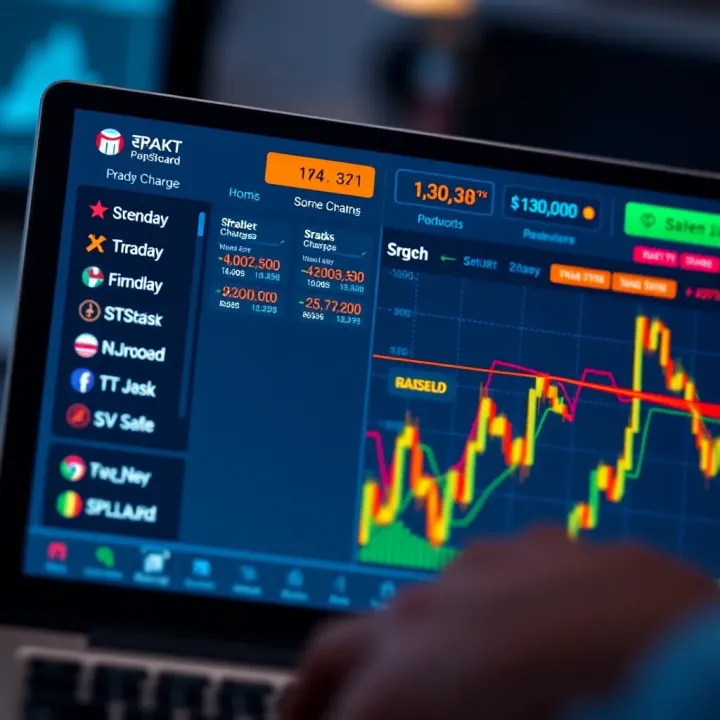
Zerodha Kite is known for its clean interface and seamless performance. It offers lightning-fast order execution, which traders value when dealing with volatile markets. The platform integrates advanced charts with over 100 indicators, letting you spot trends and make quick decisions. For intraday traders, Zerodha’s minimal brokerage model—₹20 or 0.03% per trade, whichever is lower—helps keep costs in check. It also supports multiple order types like bracket orders and cover orders, which are essential for risk management. Many traders appreciate its mobile app, which works smoothly even in lower data conditions common in tier-2 and tier-3 cities.
Upstox Pro has gained popularity by focusing on speed and affordability. It offers zero brokerage for equity delivery and charges just ₹20 per intraday or F&O trade. Upstox provides advanced charting tools and customizable watchlists, helping traders track multiple stocks simultaneously. One distinct advantage is its integration with Google Sheets, allowing data export for custom analysis. Its app is lightweight and user-friendly, making it suitable for freshers and experienced traders alike. Reliability during peak trading hours has improved significantly after recent technical upgrades.
Angel One remains popular due to its balance of ease and features. It offers detailed market research reports that appeal to investors who rely on fundamentals alongside technicals. The platform provides an intuitive dashboard with real-time streaming and extensive charting options. Brokerage starts at ₹20 per trade, and the site often runs schemes with free equity investments, attracting retail traders. Additionally, Angel One supports margin trading, an important feature for intraday practitioners looking to amplify potential returns with manageable risk.
Platforms like 5Paisa are changing the game with ultra-low brokerage and simple interfaces. 5Paisa charges a flat ₹20 per trade with zero fees on delivery trades, drawing cost-conscious intraday traders. Its app includes essential charting tools and provides access to mutual funds and insurance, offering a one-stop financial service hub. Other emerging names such as Groww and Kotak Securities are enhancing user experience by adding research tools and faster transaction times. However, traders must weigh features against platform stability, as lesser-known platforms sometimes face uptime issues during volatile market periods.
Picking the right intraday trading platform involves assessing your priorities—whether it’s cost, speed, analytics, or user experience. Testing apps during market hours before committing can save you from unpleasant surprises.
To summarise, Zerodha Kite, Upstox Pro, and Angel One cover a broad spectrum of trader requirements, while 5Paisa and newer players offer competitive pricing. Your choice should match your trading style and budget, especially since the Indian intraday market demands both speed and reliability.
Knowing the brokerage charges and cost structures is essential for intraday traders, as these directly affect your overall profitability. Unlike long-term investing, where buying and holding often smooths out costs, intraday trading involves rapid buying and selling, so brokerage fees can quickly eat into your gains.
Brokers usually offer two types of charging models: flat-fee and percentage-based brokerage. Flat-fee brokerage means you pay a fixed amount per trade, regardless of the trade's size. For example, paying ₹20 per trade whether you buy ₹10,000 or ₹1 lakh worth stocks. This works well if you trade in large volumes since the percentage cost decreases as your trade size increases.
On the flip side, percentage-based brokerage charges a certain percentage of the transaction value—say 0.03% per trade. Smaller trades attract lower fees since the cost is proportional, but this can get expensive if you frequently execute large trades. A trader placing several ₹1 lakh trades daily might end up paying more under percentage charges than a flat-fee model.
Choosing between these models depends largely on your trading style and volume, so check your broker's plans carefully.
Apart from brokerage, many traders overlook additional costs like Securities Transaction Tax (STT), Goods and Services Tax (GST) on brokerage, stamp duty, and Depository Participant (DP) charges. DP charges are fees for maintaining your demat account, often around ₹25-₹50 monthly.
These costs might seem small but add up quickly, especially with multiple trades a day. For instance, GST at 18% on brokerage increases your expense beyond the headline fee. Stamp duty varies across states and could differ if you trade derivatives versus equities. Failing to factor these in can mislead you about your net returns.
Always include hidden charges in your calculations to get a true picture of your trading costs.
Frequent intraday traders benefit most from platforms that offer low or zero brokerage on equity intraday trades and reasonable charges on derivatives. Brokers like Zerodha and Upstox provide flat-fee models with no brokerage on equity delivery but charge minimal fees for intraday or derivatives.
Look for platforms offering transparent fee structures with minimal hidden charges. Also, some platforms provide discounts or subscription plans designed for high-volume users, reducing your per-trade cost further.
In short, picking the right platform means balancing your trade frequency, trade value, and fee type to optimise costs. Combine this with reliable tools and execution speed for the best intraday trading experience.
In intraday trading, every second counts. A platform's reliability and the quality of its customer support can make or break a trader's day. Frequent trading involves quick decisions and fast execution, so any downtime or slow response can lead to losses. Hence, assessing these aspects before choosing a site is essential.
A trading platform must work smoothly during market hours, roughly 9:15 am to 3:30 pm IST. Downtime or lag could cause delays in executing trades, affecting profitability. For instance, during volatile market movements, a site that lags by even a few seconds might miss an opportunity or execute an order at a less favourable price. Platforms like Zerodha Kite and Upstox Pro generally maintain high uptime, but occasional slowdowns during peak traffic have been reported by some users.
Issues can crop up anytime—be it order placement errors, login failures, or withdrawal delays. Quick customer service is crucial so traders don’t get stuck. A rapid response team can help resolve glitches and keep trading seamless. It's advisable to check whether the platform offers multiple support channels like phone, chat, email, and their typical response times. Angel One, for example, provides 24/7 assistance via chat and phone, which helps during urgent situations.
A responsive support team reduces stress and potential financial loss, especially during critical trading hours.
Before committing to any trading site, look at what current users say about their experiences. Independent trader forums, social media groups, and app store reviews provide real insights about platform performance and customer support. Consistent complaints about bugs, slow dispute resolution, or hidden fees are red flags. On the other hand, positive feedback on ease of use and helpful support can assure a smoother trading experience.
In sum, a site with strong uptime, fast problem-solving, and good community reputation enhances your intraday trading success. These factors help minimise risks related to technical glitches or slow service, so you can focus on making informed trades with confidence.
Trading platforms go beyond basic functionalities like market data and order execution. Paying attention to additional aspects can substantially improve your day-to-day trading experience and even impact your returns.
A trading site that provides solid research material and educational content helps you make better-informed decisions. For example, platforms like Zerodha offer detailed market analysis, expert insights, and daily trade ideas, which can be handy for both beginners and experienced traders. Educational resources such as video tutorials, webinars, and articles on intraday strategies help sharpen your skills. Without these, you may miss crucial market trends or rely too heavily on guesswork.
Smooth financial transactions are vital for timely trading activities. Choose platforms that seamlessly integrate with your bank accounts and popular payment methods like UPI, NEFT, and IMPS. This ensures quick fund transfers for margin requirements or withdrawals, avoiding delays that can cost you opportunities. Some sites even link with digital wallets or support instant settlement, making it easier to manage your cash flow. For instance, ICICI Direct allows direct bank linkage, reducing the hassle of manual fund transfers.
Testing a platform before committing real money is a sensible step. Demo accounts let you practice trading in a risk-free environment with virtual funds, simulating real market conditions. It helps you get familiar with the site's interface, charts, order types, and responsiveness. Some platforms also offer trial periods where you can experience the full service without paying brokerage upfront. This acts like a reality check to ensure the platform suits your trading style and technical needs before you invest your hard-earned money.
Considering these additional factors can make a real difference in your intraday trading journey. Don't overlook them when picking a site—research support, payment ease, and practice tools add layers of convenience and confidence that simple features can't match.
In sum, while speed and brokerage matter, integrating well with your financial habits and providing learning opportunities define a truly trader-friendly platform. Evaluate these points carefully to find a site that fits your workflow and goals.
Learn practical intraday trading tips and strategies 🎯 tailored for Indian markets. Understand core principles, manage risks, and boost your trading skills today!

📈 Master Intraday Trading in India with our detailed guide covering strategies, key tools, risk tips, market insights, and regulations for smart trading.

🚀 Dive into intraday trading in India: learn key concepts, tools, proven strategies, risks, and regulatory tips to trade smartly within a day!

📈 Explore margin requirements for intraday trading in India. Learn how margin affects your trades, rules, risks, and tips to manage funds smartly.
Based on 11 reviews