

How to Convert Octal Numbers to Binary Easily
Learn how to convert octal numbers to binary with clear steps, tips, examples, and common mistakes explained 🔢💡 Perfect for students and tech enthusiasts in India!
Edited By
Grace Campbell
Binary fission is a fundamental process through which single-celled organisms reproduce asexually. It involves the replication of the organism's genetic material followed by the division of its cytoplasm to form two identical daughter cells. This method stands out for its efficiency and simplicity, making it the preferred mode of reproduction for many bacteria, archaea, and some protozoa.
Unlike sexual reproduction, binary fission does not require two parent organisms or the fusion of gametes, allowing for rapid population growth under favourable conditions. For example, Escherichia coli, a common gut bacterium, can double its population in as little as 20 minutes through binary fission.
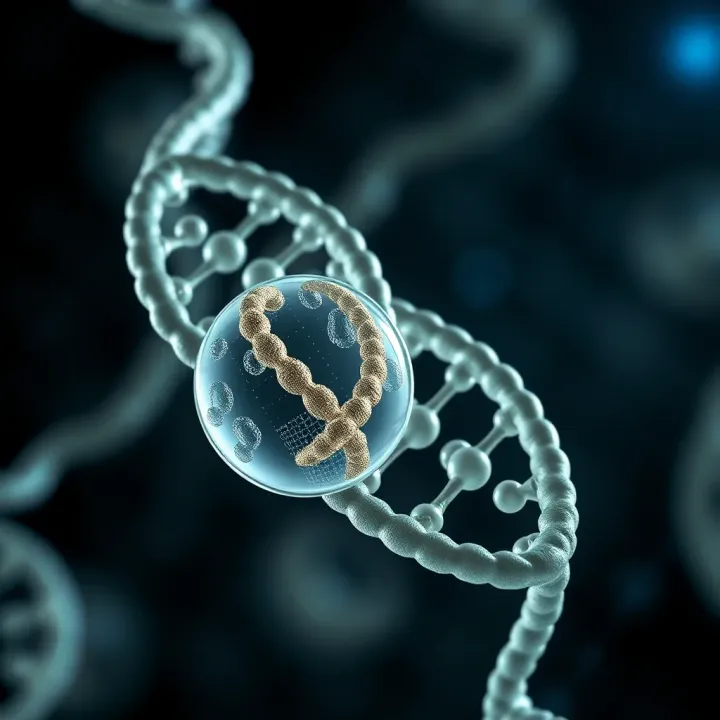
The process starts with the replication of the circular DNA molecule inside the parent cell. Once DNA duplication is complete, the cell elongates and a septum begins to form in the centre. The septum eventually splits the cell into two, each containing a full set of genetic material identical to the parent. This division ensures genetic consistency, which is crucial for maintaining the traits of the species.
Key organisms utilising binary fission include:
Bacteria such as E. coli and Staphylococcus aureus.
Protozoans like Amoeba and Paramecium.
Some algae, for instance Chlamydomonas.
Binary fission supports rapid colonisation and adaptation in environments ranging from soil and water to the human body.
Understanding binary fission is essential for sectors like biotechnology and medicine, especially when managing bacterial populations or developing antibiotics. Its role in microbial growth dynamics affects investment decisions in pharmaceuticals and public health policies.
In summary, binary fission provides a straightforward and effective means for single-celled organisms to reproduce quickly, maintaining genetic stability and ensuring survival across diverse environments.
Binary fission is a fundamental biological process enabling many single-celled organisms to reproduce asexually. It plays a significant role in maintaining population numbers and sustaining ecosystems, especially in microbes where rapid multiplication is necessary. Understanding this process is important not only for biology students but also for professionals working in fields such as microbiology, genetics, and biotechnology.
At its simplest, binary fission is a method of cell division where a single organism duplicates its genetic material and then splits into two identical daughter cells. Unlike sexual reproduction, it doesn't involve the mixing of genetic material from two parents. Instead, it offers a quick way to multiply with offspring maintaining the exact genetic code of the parent. For example, in Escherichia coli bacteria, binary fission happens in roughly 20 minutes under optimal conditions, allowing them to increase their numbers rapidly.
Several microorganisms rely on binary fission as their primary method of reproduction, including bacteria, archaea, and certain protozoa like Amoeba. Bacteria like Salmonella and Staphylococcus use this process for quick colony expansion. Protozoans, such as Paramecium, also divide by binary fission, facilitating their survival and adaptation in aquatic environments. Understanding which organisms employ binary fission helps in fields like medicine and environmental science, particularly when dealing with infections or biodegradation.
Binary fission is essential for the survival of many microorganisms, enabling them to multiply efficiently without the complexity of sexual reproduction.
This section offers a clear definition and highlights key organisms using the process, setting the stage for exploring how binary fission occurs and its broader biological significance in the following parts.
Understanding how binary fission occurs is essential to grasp the basics of this common form of asexual reproduction, especially in single-celled organisms like bacteria and some protozoa. The process itself ensures that genetic information is accurately copied and distributed, allowing for the organism's survival and rapid population increase.
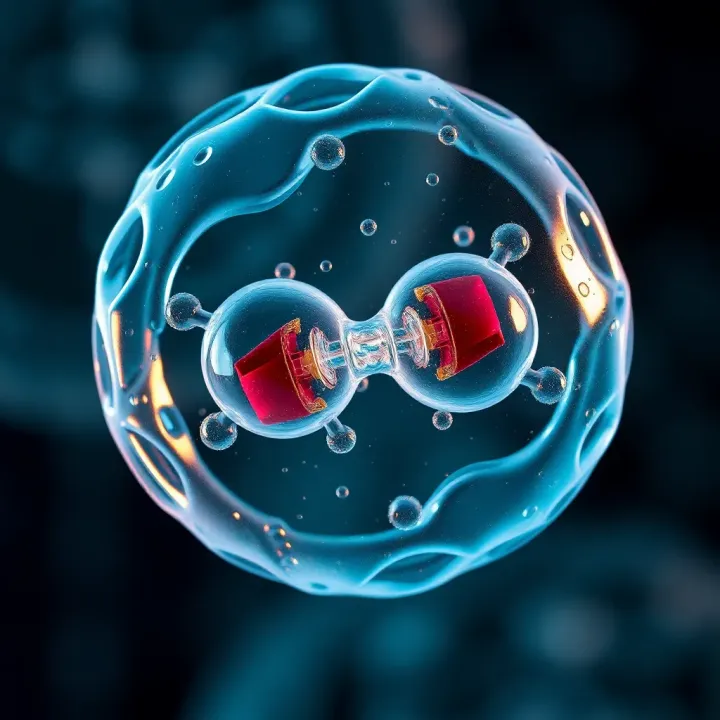
The first step in binary fission is the replication of the organism's genetic material. For bacteria, this means copying their circular DNA molecule. Unlike in human cells where chromosomes are linear and multiple, bacteria have a single circular chromosome stored within the nucleoid region. The DNA replication begins at a specific site called the origin of replication and proceeds bidirectionally until two complete copies exist. This step is crucial because errors here can lead to mutations, affecting cell function.
The replication mechanism in bacteria is highly efficient and fast, taking just minutes under ideal conditions. For example, Escherichia coli, a common gut bacterium, can duplicate its DNA in about 20 minutes. This rapid replication supports the bacteria's ability to multiply quickly in suitable environments, which in financial terms translates to faster turnaround times for biotechnological applications relying on bacteria, such as fermentation processes.
Once the DNA is duplicated, the cell prepares to divide. The cell elongates, and the duplicated chromosomes move to opposite poles of the cell. Next, a septum—essentially a new cell wall and membrane—starts forming in the middle. Proteins like FtsZ in bacteria assemble into a ring structure at the future division site, guiding the constriction process.
This division is precise and ensures equal partitioning of the genetic material alongside cytoplasm and other cellular components. In practical terms, this precise division is why cloned cells from binary fission are genetically identical, aiding scientific research where uniformity is critical.
The final stage completes when the septum fully forms, splitting the parent cell into two daughter cells, each enclosed with its own membrane and cell wall. The daughter cells then separate and begin independent life cycles, ready to repeat the binary fission process when conditions allow.
Accurate completion of this process ensures that bacteria can multiply swiftly without genetic loss, explaining why bacterial infections can spread rapidly if unchecked.
Overall, binary fission is a simple yet incredibly effective process. Its directness and speed make it a fascinating component of microbial life, contributing widely to areas such as biotechnology, healthcare, and ecological balance. Knowing how this happens helps not just biology students but also professionals in sectors where microbial management is crucial.
Binary fission is a stepwise process, and understanding each stage helps make sense of how organisms divide swiftly and accurately. The process divides into three main stages: preparation phase, chromosome duplication, and cytokinesis. Each phase ensures the genetic material is correctly copied and split, which is crucial for survival and population growth of single-celled organisms like bacteria.
The preparation phase sets the stage for cell division. Here, the parent cell checks its internal environment to confirm conditions are favourable. Nutrients availability, energy levels, and the healthiness of the cell itself influence whether it proceeds. During this phase, the cell also increases its volume and synthesises essential proteins and enzymes needed for replication. For instance, Escherichia coli bacteria will accumulate enough resources to avoid stalls in DNA copying or division, which might be costly in competitive environments.
This stage involves copying the organism's genetic material. Bacterial DNA is generally a single circular chromosome, and the cell duplicates this precisely to prevent errors. DNA replication starts at a specific site called the origin of replication and proceeds bidirectionally. The accuracy of this duplication is vital because any mutations or damage could impact daughter cells. In protozoa like Amoeba, the process remains similar but involves more complex structures. This replication ensures that both new cells receive identical genetic instructions.
Cytokinesis is where the cell physically divides into two daughter cells. Following chromosome duplication, the cell membrane pinches inward, forming a septum that eventually splits the cell. The timing is critical; splitting too early can leave cells with incomplete DNA, while delays can hinder population growth. In many bacteria such as Bacillus subtilis, proteins like FtsZ form a ring at the division site, guiding the membrane to constrict and separate efficiently. Cytokinesis completes the binary fission process, producing two genetically identical cells ready to grow on their own.
Each stage of binary fission ensures rapid yet accurate replication, which is why this method supports the quick expansion seen in bacterial colonies, often doubling populations every 20 minutes under ideal conditions.
Understanding these stages provides a clear snapshot of how simple organisms multiply. This knowledge is key for fields ranging from microbiology research to medical treatment, where controlling bacterial growth can depend on interrupting one of these phases.
Understanding specific instances of binary fission sheds light on how this process sustains life and maintains populations in various ecosystems. Different organisms employ this method differently, adapting it to their biology and environment. This section highlights examples from bacteria and protozoa, illustrating the practical aspects and relevance of binary fission.
Bacteria primarily reproduce through binary fission, a fast and efficient process that allows populations to multiply rapidly. For example, Escherichia coli (E. coli), common in human intestines, can double its numbers in about 20 minutes under favourable conditions. This rapid multiplication is vital for their role in digestion and nutrient cycling, but it also explains how pathogenic bacteria can quickly cause infections.
The process helps bacteria survive harsh environments by producing genetically identical offspring that can collectively withstand challenges. In industries like fermentation and biotechnology, understanding bacterial binary fission optimises production cycles. For instance, in yoghurt manufacturing, the cultures' growth rate impacts the final product's texture and flavour.
Protozoa such as Amoeba and Paramecium also use binary fission, though their reproductive mechanisms display subtle differences compared to bacteria. Protozoa typically have more complex cellular structures, so replication involves carefully duplicating not just the nucleus but other organelles.
Take Amoeba for example: it replicates its nucleus before the cell cytoplasm divides, producing two identical daughter cells. This allows it to adapt swiftly to environmental changes in water bodies or soil.
In freshwater ecosystems, protozoa reproduction via binary fission sustains the food chain by providing a plentiful food source for small fish and invertebrates. It also plays a role in controlling bacterial populations, as many protozoa consume bacteria as part of their diet.
Binary fission is not just a biological process but a cornerstone of microbial life that influences ecosystems, human health, and industries.
Together, these examples underline binary fission's practical role in nature. Whether it supports beneficial microbes in our gut or shapes aquatic ecosystems, this simple reproductive strategy has complex implications worth understanding for multiple fields, including biological sciences, medicine, and environmental studies.
Binary fission plays a significant role in the survival and propagation of many unicellular organisms. It is the primary means through which bacteria, protozoa, and some algae reproduce quickly and efficiently. This asexual process ensures that a single organism can multiply into millions of identical copies in a short span, maintaining their population in favourable conditions.
Binary fission directly contributes to rapid population growth. Since the process is quick—often taking mere minutes to a few hours depending on the species—organisms can colonise new environments fast. For instance, Escherichia coli (E. coli), a common bacterium found in the human gut, can double its population approximately every 20 minutes under ideal lab conditions. This rapid multiplication helps bacteria exploit available nutrients before competitors arrive.
In ecosystems, this ability to multiply swiftly allows single-celled organisms to adapt to changing conditions. Rapid population increase provides a broader genetic pool (through random mutations over many generations) that could survive environmental stresses, such as changes in pH, temperature, or the presence of antibiotics.
The ability to multiply rapidly through binary fission underpins many microbial industries, including fermentation and bioremediation processes.
Binary fission offers several advantages. For one, it is an energy-efficient process since it skips complex steps like meiosis and fertilisation seen in sexual reproduction. This simplicity allows organisms to reproduce quickly without needing a mate. It also ensures genetic consistency; daughter cells are genetic replicas of the parent, preserving successful traits.
However, there are limitations. A lack of genetic variation means populations can be vulnerable to diseases or environmental changes. For example, if a particular antibiotic targets a bacterial strain, the entire population might be wiped out since all cells share the same genetic makeup. Additionally, binary fission restricts evolutionary flexibility, which sexual reproduction contributes to by mixing genes.
In some cases, mutations during genetic replication can introduce variation, but such changes occur slowly compared to the genetic shuffle sexual reproduction offers. This is why many unicellular organisms have evolved mechanisms like horizontal gene transfer to counter some of these disadvantages.
In summary, binary fission is crucial for quick population expansion and stability in many single-celled life forms. While it has clear efficiency advantages, the trade-off lies in limited genetic diversity, impacting long-term adaptability.
Learn how to convert octal numbers to binary with clear steps, tips, examples, and common mistakes explained 🔢💡 Perfect for students and tech enthusiasts in India!

📊 Learn how binary numbers work, convert between binary & decimal, and grasp binary math with real-life computer applications in this easy guide.

Learn how to multiply binary numbers easily with step-by-step examples, shortcuts, and troubleshooting tips. Perfect for students & computing enthusiasts! 🧮💻

Learn how to convert decimal numbers to binary with easy steps, tips, and techniques 🔢💡 Understand binary basics and common challenges clearly!
Based on 6 reviews