

Live Options Trading Guide for Indian Investors
📈 Live Options Trading guide for Indian investors! Learn how options work, explore strategies, manage risks, and trade confidently in real-time markets.
Edited By
Sophie Mitchell
Binary options trading involves predicting the price movement of an asset within a fixed time. You choose if the price will go up or down, and based on your prediction, you either earn a fixed profit or lose your investment. This all-or-nothing approach makes binary options quite straightforward but also risky.
In India, the scenario around binary options is tricky. The Securities and Exchange Board of India (SEBI) has not authorised any binary options trading platforms. This means trading binary options locally or with offshore platforms can lead to legal complications. Many such platforms operate without proper regulation, increasing the risk of fraud or sudden outages.

Keep in mind: binary options are like betting on financial markets. While they seem simple, the odds often don't favor the trader, with many losing money quickly.
The appeal is understandable: small investments, fast returns, and simple yes/no choices. Still, the lack of regulation and high-risk nature means traders must be cautious. If you think of binary options as a kind of gambling, you avoid expecting steady income but rather view it as a high-stakes game.
If you're in India and interested in trading, safer alternatives exist. Consider investing in stocks through recognised stock exchanges like NSE or BSE, mutual funds, or government bonds. These come with regulatory oversight and have track records of returns based on well-understood principles.
To sum up, binary options trading in India remains largely outside legal approval and has significant risks. Those curious should study the rules thoroughly and consider regulated investment routes for financial growth without unnecessary legal or financial hazards.
Understanding binary options is essential for anyone curious about this form of trading, especially in the Indian context where regulations and platforms vary widely. Binary options simplify investment decisions into a straightforward yes-or-no wager on price movements. Knowing how these work helps traders weigh risks and rewards clearly before putting money on the line.
Binary options are financial contracts where the trader predicts whether an asset's price will rise or fall over a set time. If the prediction is right at expiry, the trader earns a fixed payout; if wrong, they lose the initial stake. Think of it as a fixed-odds bet rather than owning the asset itself.
Unlike traditional trading, where investors buy shares or commodities hoping their value appreciates, binary options focus purely on direction within a limited timeframe. You don’t hold the asset, so there's no dividend or ownership benefit.
In traditional trading, profit depends on how much an asset's price moves. Selling shares bought at ₹100 for ₹150 yields ₹50 profit. But with binary options, it doesn’t matter if the price rises ₹1 or ₹100; the payout remains fixed.
This makes binary options simple yet risky: limited gains and total loss of investment are the norm. Traditional trading allows flexibility, like holding assets long-term or hedging, but binary options demand quick, decisive calls on price direction.
High/Low Options are the most basic form. You bet if the price will end higher or lower than the current level at expiry. For example, if the current price of Nifty 50 is ₹17,000, you choose ‘high’ if you believe it will close above ₹17,000 at expiry.
One Touch and No Touch Options depend on whether the asset price touches a preset level during the contract duration. For instance, a one-touch option on Reliance Industries at ₹2,500 means you win if the price touches ₹2,500 anytime before expiry, even if it falls later.
Range Options require the asset price to stay within or go outside a specific price range at expiry. If you bet that Infosys shares will stay between ₹1,350 and ₹1,400 for the next hour, you win if it does; lose otherwise.
Binary options come with fixed expiry times, from minutes to hours or days. This expiry defines when the option’s outcome is decided. Once expired, payouts are automatic: a win yields the promised return—usually 70% to 90% of the stake—while a loss means the capital is forfeited.
Trading platforms play a key role here. Indian investors often use offshore platforms, which may offer faster execution but carry regulatory risks since they aren't authorised by Indian regulators like SEBI or RBI. These platforms provide interfaces for placing bets, charting tools, and account management.
Always check the reliability and regulatory status of a platform before trading to avoid scams or fraud.
Understanding these mechanics helps traders grasp how binary options differ from other investments and highlights the risks involved when deciding to trade.
The legal and regulatory framework for binary options trading in India is a key factor every trader must understand before engaging in this activity. Because binary options are often linked to high risks and dubious platforms, knowing the rules can protect you from financial losses and legal complications. In this section, we examine the role of regulatory bodies like the Securities and Exchange Board of India (SEBI) and the Reserve Bank of India (RBI), and the dangers connected with unregulated platforms.

SEBI, as India’s market regulator, oversees all securities and commodities trading within the country. However, it currently does not authorise or regulate binary options trading. Indian law classifies binary options under ‘contracts for difference’ or similar derivative contracts, but these must be traded on recognised exchanges like NSE or BSE under strict guidelines. SEBI’s absence of licensing for binary options platforms means any broker offering such trading in India operates outside established legal frameworks. For example, common binary options sites accessible in India may be completely unregulated, putting investors’ capital at risk without recourse.
SEBI’s stance protects Indian investors by discouraging unlicensed platforms and emphasising transparency and investor safeguards in permitted securities markets. Still, the lack of a clear regulatory framework on binary options leads many traders to unknowingly use foreign or virtual platforms without legal protection.
The RBI, India’s central bank, focuses on currency stability and financial system integrity. While it regulates payment systems and foreign exchange, it has also issued warnings against unregulated online trading schemes, including binary options. The RBI does not recognise binary options as a legitimate financial instrument within India’s regulated banking or securities sector.
Furthermore, RBI cautions banks and payment service providers against processing transactions related to illegal or unregulated binary options trading. This limits the ease with which Indian investors can fund these platforms or withdraw profits, acting as an indirect deterrent. For instance, some Indian banks block transactions from reputed foreign binary options websites, reflecting RBI’s protective stance.
Unregulated binary options platforms exploit investors through rigged software, delayed payouts, and outright scams. Without legal oversight, these platforms often lack transparency in pricing and outcome determination. In India, many users have reported losing sizeable sums to platforms that disappear overnight or refuse withdrawals.
These scams typically promise high returns but use manipulative tactics to churn losses from unsuspecting traders. For example, a platform might delay execution times or artificially inflate volatility to ensure most trades end out of the money. Since these websites operate beyond SEBI’s and RBI’s watch, victims have little chance of recovering their funds.
Trading on unregulated binary options platforms puts Indian investors at legal risk. While SEBI and RBI do not generally prosecute individual traders, investing in illegal schemes can lead to asset freezes or investigations under money laundering and foreign exchange control laws. Moreover, Indian authorities can block access to suspicious online trading sites.
Participating in financially dubious platforms may also complicate tax filings and invite penalties if transactions are not reported properly. For example, undeclared earnings in offshore binary options accounts risk scrutiny by the Income Tax Department. Hence, traders should carefully consider these legal and financial repercussions and opt for regulated alternatives whenever possible.
Always verify platform credentials with SEBI and take note of RBI advisories to avoid falling into unregulated binary options traps in India.
Binary options trading might look appealing with its promise of quick profits, but Indian traders must weigh significant risks and challenges before diving in. Understanding these hurdles helps avoid unnecessary losses and makes clear whether binary options fit within one's risk appetite and financial planning.
High volatility and fixed payouts: Binary options come with a fixed payout structure, meaning your profit or loss is capped. However, the market itself is highly volatile, especially in assets like forex or commodities. Imagine betting ₹10,000 on a stock hitting a certain price within minutes. If the prediction is right, a fixed payout, say 80%, is yours—₹18,000 in total. If wrong, you lose the entire ₹10,000. This mismatch—volatile markets but fixed returns—can lure traders into thinking they control risk, but in reality, the potential for loss often overrides expected gains.
Risk of complete capital loss: The all-or-nothing nature means you can lose 100% of your invested capital in each trade. Unlike traditional investing where your asset may retain some value, binary options usually expire worthless if the conditions aren’t met. For example, an Indian trader bets on a currency pair's move during a volatile festival market, but if the market shifts unfavourably after their expiry time, there's no fallback—losing one's entire invested sum instantly.
Platform reliability and user experience: Many binary options platforms operate outside Indian regulatory oversight, leading to uncertified software and poor user experiences. Delays, app freezes, or unclear transaction histories can cause traders to miss expiry deadlines or misjudge outcomes. For instance, a trader attempting to close a position might face platform lag, turning a probable profit into a loss. Such technical glitches are common and can erode trust and funds alike.
Pressure and impulsive decision-making: The speed of binary options trading encourages snap decisions, often fueled by emotions rather than analysis. Traders may chase losses by doubling bets or exit winners too early to avoid risk. This psychological burden is intense, especially for newcomers. For example, an individual trading after an exhausting workday might impulsively place a high-stake trade without full consideration, leading to avoidable losses.
The takeaway is clear: binary options trading combines financial risks with technical and mental pressures, which can overwhelm even experienced traders. Indians considering this path should be aware and prepared.
Being cautious, using demo accounts, and sticking to regulated markets like NSE or BSE derivatives can help manage these challenges more effectively.
When considering financial options, Indian investors should always favour instruments regulated by official authorities like SEBI or RBI. This approach not only reduces risks linked with scams but also provides clearer frameworks for dispute resolution and taxation. Safer alternatives offer long-term benefits and more predictable returns compared to uncertain products such as binary options.
The National Stock Exchange (NSE) and Bombay Stock Exchange (BSE) form the backbone of India’s equity markets. Investors can buy shares of companies listed on these exchanges, thereby owning a fraction of successful businesses. Participation here is well-regulated, with SEBI playing a vital role in protecting investor interests. For example, someone might invest in a well-established company like Reliance Industries through the NSE, gaining ownership and potential dividends while participating in market growth.
Derivatives like futures and options allow traders to hedge risk or speculate but within legal boundaries. These contracts are standardised and traded on recognised exchanges like NSE. A farmer might use futures to lock in a sale price for crops, protecting against price fluctuations. Similarly, an investor can limit downside risk by buying put options on Nifty 50. Such tools demand good understanding and careful planning but offer a legitimate way to engage more actively with market movements.
A Systematic Investment Plan (SIP) lets investors contribute fixed amounts regularly into mutual funds, promoting disciplined investing. This method suits salaried individuals who want steady wealth creation without timing the market. Over time, SIPs can compound modest contributions into sizeable portfolios. For instance, investing ₹5,000 monthly through an SIP in an equity mutual fund can generate substantial returns over 10 years, balancing risk and reward.
Mutual funds registered with SEBI must comply with transparency and governance standards. Investors gain access to professionally managed portfolios, diversified across sectors and asset classes. This reduces single-stock risk and simplifies investing for novices. Fund houses like HDFC Mutual Fund or SBI Mutual Fund offer various schemes tailored to different risk appetites, making mutual funds a trusted alternative to binary options.
Government bonds provide assured returns and backing by the sovereign, making them a low-risk investment choice. Similarly, fixed deposits (FDs) offered by banks guarantee fixed interest over a specified tenure. For example, an FD at State Bank of India might offer 6.5% annual interest for a 1-year deposit, appealing to risk-averse investors seeking capital safety.
Gold remains a popular hedge in India. Gold Exchange-Traded Funds (ETFs) allow investors to buy gold in paper form without storing physical metal. Digital gold platforms like Paytm Gold or PhonePe Gold enable small, convenient gold purchases through mobile apps. These options offer liquidity, transparency, and safety, unlike buying physical gold without proper certification. These routes suit investors looking for exposure to gold with ease of transaction.
For Indian investors, choosing regulated, well-understood financial products secures their hard-earned money while allowing growth in a trustworthy environment. Avoiding risky, unregulated schemes is essential for sustainable wealth building.
Approaching binary options trading without practical guidance can be risky for any investor. These tips offer clarity on evaluating platforms, managing risks, and staying within legal boundaries. By understanding these points, traders can reduce losses and identify safer avenues.
Checking regulatory approvals
Ensure the broker or platform you choose has approvals from recognised Indian agencies, such as the Securities and Exchange Board of India (SEBI). Platforms lacking such registration operate outside legal protection, increasing the chances of scams or sudden shutdowns. For example, if a broker claims a licence but doesn't appear on SEBI's official list, that's a major red flag.
Reviewing user feedback
User reviews can provide real insights into platform reliability, withdrawal speeds, and customer service quality. Forums and social media often reveal common complaints, such as delayed payouts or account lockouts. However, treat extreme reviews cautiously—always look for consistent patterns rather than isolated incidents.
Setting limits and knowing when to stop
Traders should decide on maximum daily or weekly losses to avoid deep financial damage. For instance, if you allocate ₹10,000 for trading, agree to stop once you lose ₹2,000 to protect the rest. This disciplined approach prevents chasing losses after a bad run, which often worsens the situation.
Starting with demo accounts
Many platforms offer virtual trading accounts that simulate real trades without risking real money. Using these demo accounts helps you understand market behaviour and practise strategies. It’s like driving a car in a simulator before hitting actual roads—allowing learning without costly mistakes.
Understanding Indian laws applicable
Traders must familiarise themselves with the existing legal framework. Binary options trading from India is generally restricted under current SEBI and Reserve Bank of India (RBI) guidelines. Participating on foreign platforms without proper licences may have legal repercussions, including penalties or blocked transactions.
Reporting fraudulent activity
If you suspect a platform is involved in unethical or illegal activity, report it promptly to SEBI or local consumer protection authorities. Early reporting can protect others and potentially recover lost funds. Keeping documentation like transaction receipts or correspondence can strengthen your complaint.
Careful preparation and awareness can save investors from costly mistakes in binary options trading, especially in the complex regulatory environment of India.
By prioritising these practical tips, traders can better safeguard their investments and make informed decisions. Remember, seeking safer and well-regulated alternatives often works better than chasing high-risk ventures with unclear legal standing.
📈 Live Options Trading guide for Indian investors! Learn how options work, explore strategies, manage risks, and trade confidently in real-time markets.

Explore top online options trading courses in India 🎓. Learn basics, compare platforms, costs, and get tips for practical market success 🇮🇳📈.
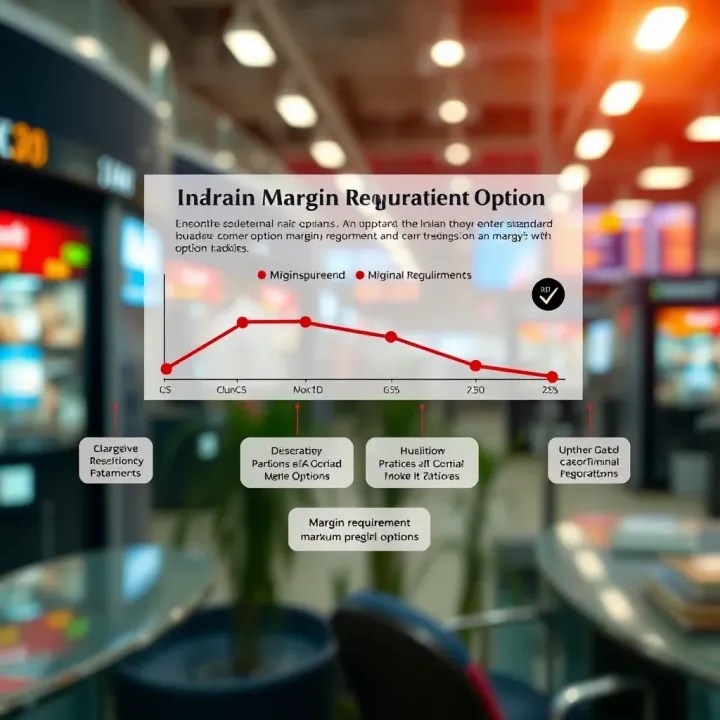
📊 Learn how margin requirements work in options trading in India, including calculations, types, risks, and benefits to trade confidently and smartly.
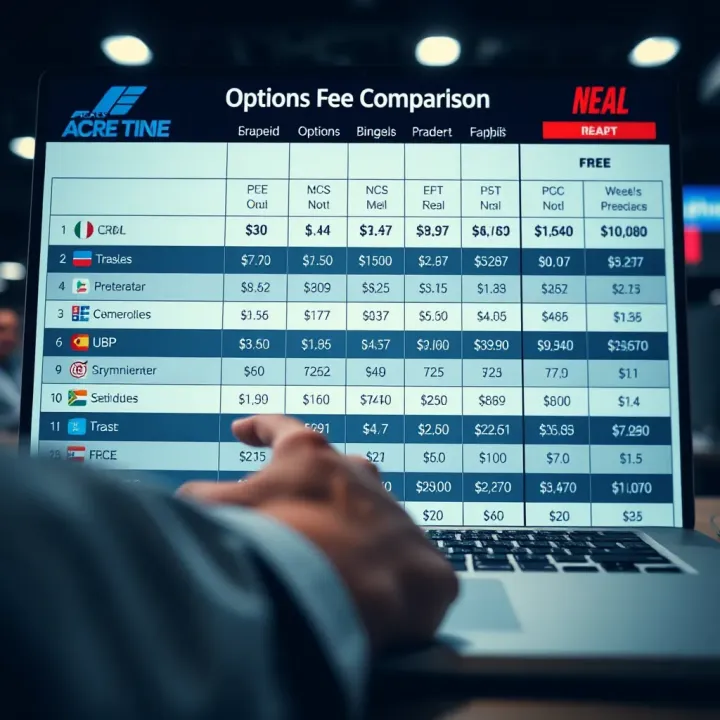
Explore top options trading brokers in India 🏦 to find the lowest fees 💰 and smart tips 💡 for cutting costs without losing quality service.
Based on 5 reviews