

Key Candlestick Patterns for Smarter Trading
📈 Learn how to spot key bullish, bearish, and neutral candlestick patterns for smarter trading decisions in India’s stock market. Master price action today!
Edited By
Liam Foster
Bullish candlestick patterns are essential tools for traders aiming to identify potential upward movements in stock prices. They provide visual cues on charts, helping decode market sentiment and possible trend reversals. In India, where trading volumes and volatility can vary widely, understanding these patterns gives traders an edge.
Candlestick charts consist of individual bars, each showing the opening, closing, high, and low prices within a specific timeframe. A bullish candlestick typically closes higher than it opens, signalling buyers' strength. Recognising combinations of these candlesticks reveals patterns that suggest continuation or reversal of trends.

A single green candlestick can indicate buying pressure, but grouped patterns offer more reliable signals.
These patterns form the backbone of technical analysis, assisting traders in timing their entries and exits more effectively. For instance, patterns like the Bullish Engulfing or Morning Star are widely watched during bullish markets in the Nifty 50 or Sensex indices. Their occurrence often lines up with increased volumes, supporting the likelihood of an upward move.
Understanding bullish candlestick patterns helps traders reduce guesswork and improve decision-making, especially in volatile markets. This guide will cover key patterns, what they indicate, and practical tips to spot them in live trading scenarios. Armed with this knowledge, investors can better navigate price fluctuations, identify potential buy opportunities, and manage risk.
The next sections will break down individual bullish patterns, including their formation, significance, and examples relevant to Indian securities and commodities markets. You’ll also find tips on combining these patterns with other technical indicators for enhanced accuracy.
Candlestick charts give traders a clear picture of market activity over a specific period. Understanding these charts is crucial because they not only show price movements but also reveal buyer and seller sentiment. For instance, a single candlestick can indicate if buyers dominated the session or if sellers pushed prices down. This insight helps traders make more informed decisions rather than relying on numbers alone.
Each candlestick displays four key prices: the open, close, high, and low for the chosen timeframe. The open price is where trading began, and the close is the final price when trading ended. The high represents the peak price reached, while the low marks the lowest point during that period. Imagine a day's trading on the NSE where a stock opens at ₹1,000, reaches a high of ₹1,050, dips to ₹980, and closes at ₹1,020; a candlestick summarises all this data visually.
This structure is practical because it quickly shows the range and direction of price action without needing long tables of numbers. Traders spot volatility and assess if the market sentiment changed during the session just by glancing at the candlestick's shape and size.
The difference between bullish and bearish candlesticks lies in their colour and body. A bullish candlestick means the closing price was higher than the opening price, suggesting buying pressure. It's often shown in green or white. Conversely, a bearish candlestick signals a drop in price during that timeframe—the close is below the open—and is typically red or black.
This distinction helps traders immediately gauge momentum. For example, spotting a sequence of bullish candles after a downtrend may hint at a reversal, while persistent bearish candles warn of continued weakness.
Candlestick patterns form from one or multiple candlesticks and provide a visual story of price action, highlighting potential changes in the market. Unlike line charts that only connect closing prices, candlesticks give details about highs, lows, and opening prices, creating a fuller picture.
This visual aid allows traders to react faster, especially in fast-moving markets like the Indian equity exchanges. For example, during volatile sessions in the Sensex or Nifty, candlestick patterns can help spot early signs of trend reversals or continuation.
Predicting market sentiment and trends through candlestick patterns means understanding the psychology behind price moves. Buyers and sellers leave footprints in candlestick formations, reflecting fear, optimism, or indecision.
A classic example is the bullish engulfing pattern, where a strong buying day completely 'engulfs' the prior day's loss, signalling potential shift from sellers to buyers. Traders use this to enter long positions or tighten stop losses, improving risk management.
Mastering candlestick charts is essential because they do more than track prices; they reveal the mood of market participants, which is invaluable for timing trades wisely.
By understanding these basics, traders get an edge in reading market behaviour beyond headlines or raw numbers. Observing candlestick patterns alongside volume or support zones further sharpens their trading strategy in India’s dynamic markets.
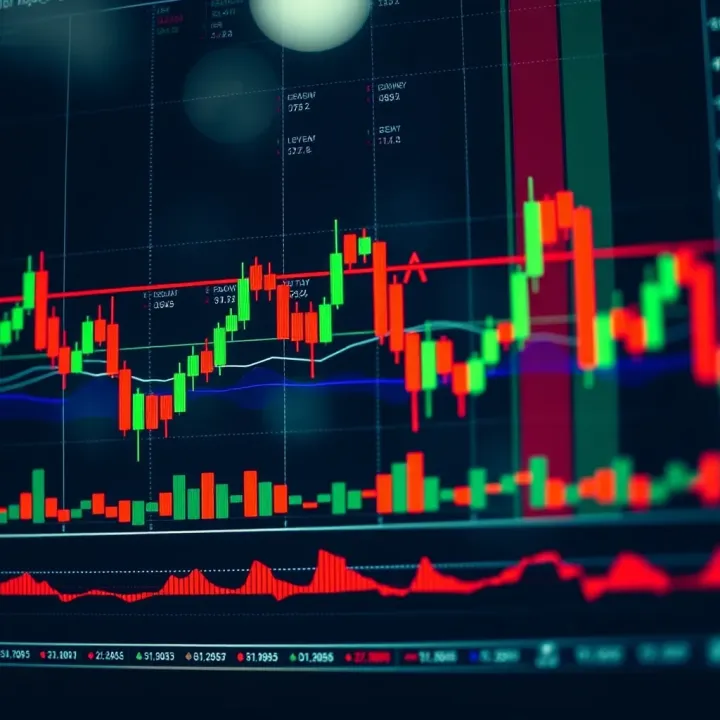
Recognising key bullish candlestick patterns helps traders spot potential upward movements in stock prices early. These patterns act as signals, indicating a shift in sentiment from selling to buying pressure. For instance, understanding these patterns can improve the timing of your market entries and exits, especially in volatile markets like those of India where factors such as quarterly results or policy changes can impact price action suddenly.
A hammer forms when a stock’s price drops significantly during the day but recovers to close near its opening price, creating a candle with a small body and a long lower wick. This pattern often appears after a downtrend, signalling that selling pressure is decreasing and buyers are stepping in. For example, if Reliance Industries forms a hammer after several sessions of decline, it suggests buyers are ready to push prices up, which can prompt traders to consider entry points.
This pattern looks like an upside-down hammer, with a small body near the low and a long upper shadow. It's less common but still important, especially when it occurs after a fall in prices. The inverted hammer suggests hesitation among sellers and potential buying interest at lower levels. For instance, if Infosys shows an inverted hammer in its intraday chart, this may hint at a coming reversal, helping traders avoid premature selling.
The dragonfly doji stands out with a long lower shadow and little or no upper shadow, while the open and close prices are nearly the same. It reflects buyers gaining control after pushing prices down earlier in the session. Its presence at a key support level, such as the Nifty 50's support zone, can amplify its reliability. Traders often watch for confirmation next day before making their move.
This pattern features a small bearish candle followed by a larger bullish candle that fully "engulfs" the previous one. It indicates a strong reversal as buyers overwhelm sellers. For example, Tata Motors displaying a bullish engulfing after a drop signals a shift in market momentum, suggesting potential for price gains.
The piercing line occurs when a bullish candle opens below the previous bearish candle’s close but closes more than halfway into its body. This shows that buyers have stepped in strongly despite an initial gap down, signaling a bounce-back. Traders in Indian markets might look for this in stocks like HDFC Bank during market dips.
The morning star is a three-candle pattern: a long bearish candle, a small-bodied candle (could be doji or spinning top), and then a long bullish candle. This pattern suggests a bottoming out and stronger buying ahead. Consider it a reliable tool when mixed with volume spikes, such as during festive season rallies in FMCG shares.
This consists of three consecutive long bullish candles with each closing higher than the previous one. It's a clear sign of sustained buying interest. Seeing this pattern in IT stocks like Wipro over a few days hints at strong underlying demand, encouraging traders to hold or buy before further gains.
Recognising these bullish candlestick patterns can help you navigate trading decisions with greater confidence. Always combine them with other technical or fundamental data to avoid false signals and improve your success rate in Indian equity markets.
Interpreting bullish candlestick patterns accurately can significantly improve your trading decisions. These patterns point to potential upward movements in stock prices, but their reliability depends on several factors. Understanding these nuances helps traders avoid false signals and make informed entry or exit choices.
Trend preceding the pattern plays a vital role in judging the strength of a bullish candlestick. Patterns that show up after a clear downtrend tend to signal a potential reversal more reliably. For example, a Hammer appearing after a sustained fall in a stock like Tata Steel might indicate buyers gaining confidence. However, spotting a Hammer during an already strong uptrend may not carry the same weight, as it could be a pause rather than a reversal.
Volume confirmation is another key factor. When a bullish pattern appears accompanied by higher-than-average volume, it suggests genuine buying interest behind the move. For instance, if Reliance Industries shows a Bullish Engulfing pattern with heightened volumes, it often confirms that institutional investors are active, making the signal stronger. Conversely, low volume might indicate weak conviction and increase the risk of a fakeout.
Support and resistance levels act as landmarks that influence candlestick behaviour. A bullish pattern forming near a known support level, say Nifty’s 18,000 mark, may have more relevance since support zones usually attract buying. Similarly, if a pattern appears just below a resistance level, traders should be cautious as the price may struggle to advance beyond that point. Incorporating these levels into your analysis improves the practical use of candlestick signals.
Ignoring the overall market trend is a common pitfall. Bullish patterns can fail if the broader market is bearish. For example, during a sharp Sensex correction, relying solely on candlestick signals without considering wider weakness often leads to losses. It’s essential to check if the general trend supports your bullish view before taking a position.
Overreliance on patterns without confirmation also hurts traders. Candlestick formations are best used alongside other indicators, such as moving averages or RSI. Jumping into a trade just because you spot a Morning Star, without volume confirmation or trend support, increases risk. Confirmations help filter out noisy signals and improve trade success rates.
Traders should treat bullish candlestick patterns as one part of a bigger toolkit, always looking for context and confirmation to improve decision-making.
By combining these interpretation aspects—trend context, volume, support/resistance, and avoiding common errors—you can use bullish candlestick patterns effectively in Indian equity markets and beyond.
Bullish candlestick patterns play a significant role for traders in Indian equity markets, where price action reflects both domestic economic factors and global influences. Using these patterns helps traders identify potential upward trends, aiding timely entry decisions amid the unique volatility of markets like Sensex and Nifty. Understanding how these patterns interact with Indian market conditions improves their practical value.
Sensex and Nifty are primary market indicators that reflect the overall health of Indian stock markets. Integrating bullish candlestick patterns with analysis of these indices can provide better insights. For instance, spotting a morning star pattern on a mid-cap stock while Sensex shows strength could confirm a greater chance of a sustained rebound. Conversely, if Nifty is weakening, bullish patterns on individual stocks may require cautious interpretation.
This combined approach helps traders filter false signals and focus on stocks aligned with broader market momentum. Especially in India, where sector-specific and policy news can shift market direction quickly, such synchronization is necessary for informed trading.
Indian equity markets are highly sensitive to events like RBI monetary policy announcements, budget speeches, or global economic data. Bullish candlestick patterns gain relevance only when viewed against these events. For example, a bullish engulfing pattern forming following a favourable GST council decision could indicate genuine buying interest.
Ignoring news can lead to misreading patterns caused by temporary speculative spikes. Therefore, traders must stay updated with market headlines and combine that knowledge with chart patterns for practical trade decisions.
Even clear bullish patterns can fail; hence managing risk with stop-loss orders is essential. In Indian markets, where gaps at opening or news-based volatility are common, tight stop losses placed near recent support levels help limit losses. For example, after identifying a dragonfly doji indicating reversal, setting a stop below its low can protect capital.
Moreover, position sizing based on portfolio risk tolerance prevents overexposure to a single stock or sector during uncertain phases common to Indian markets.
Relying solely on candlestick patterns is risky; combining them with other technical tools improves accuracy. For instance, verifying a piercing line pattern with an increasing volume or a positive RSI (Relative Strength Index) divergence helps confirm buying momentum.
Indian traders can also overlay moving averages, Bollinger Bands, or MACD (Moving Average Convergence Divergence) to strengthen signals. This multi-tool approach ensures trades have better support from technical and price action perspectives, reducing false alarms.
Integrating bullish candlestick patterns with Indian market indicators, news flow, and strong risk management results in more confident and strategic trading decisions.
📈 Learn how to spot key bullish, bearish, and neutral candlestick patterns for smarter trading decisions in India’s stock market. Master price action today!
📈 Discover key candlestick patterns traders rely on! Learn how to spot, read, and use these patterns to boost your stock & forex market decisions.

📈 Learn essential candlestick patterns every trader should know to decode market trends, spot entry and exit points, and manage risk effectively.

📈 Learn how multiple candlestick patterns work in trading to predict markets, enhance strategies, and manage risks for smarter decisions.
Based on 12 reviews