
Learning Candlestick Patterns with PDFs: A Practical Guide
📊 Learn candlestick patterns with easy PDFs! Understand charts, spot key patterns, and improve your trading skills with this practical, step-by-step guide.
Edited By
Emily Carter
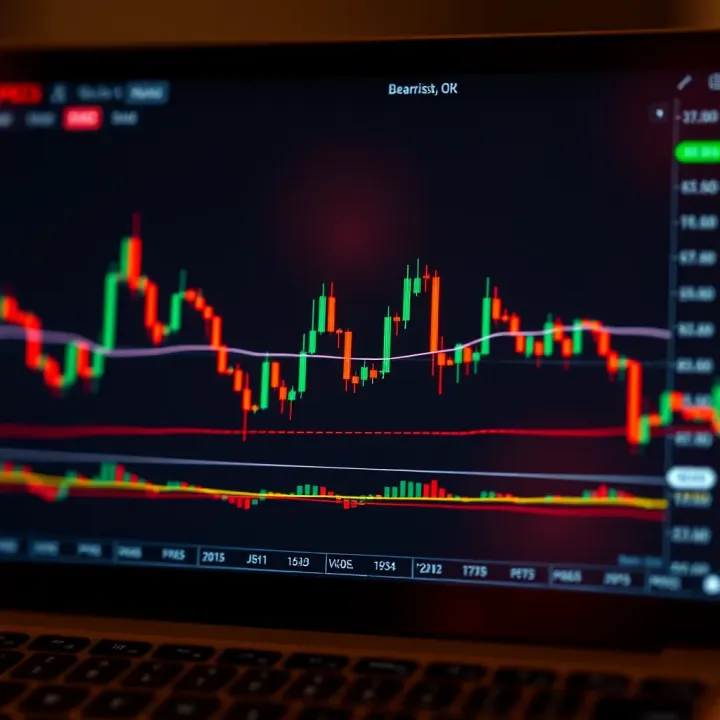
Candlestick charts form the backbone of technical analysis in stock trading across India and worldwide. These charts visually represent price movements within a specified time, using candlestick-shaped bars to depict opening, closing, high, and low prices. Mastering candlestick chart patterns helps traders spot market sentiment and predict potential price changes more effectively.
Understanding these patterns is especially important for Indian investors who want to move beyond basic price tracking to make informed decisions based on actual price action. Common patterns like Doji, Hammer, Engulfing, and Shooting Star provide signals on market reversals or continuations, each carrying a distinct trading implication.
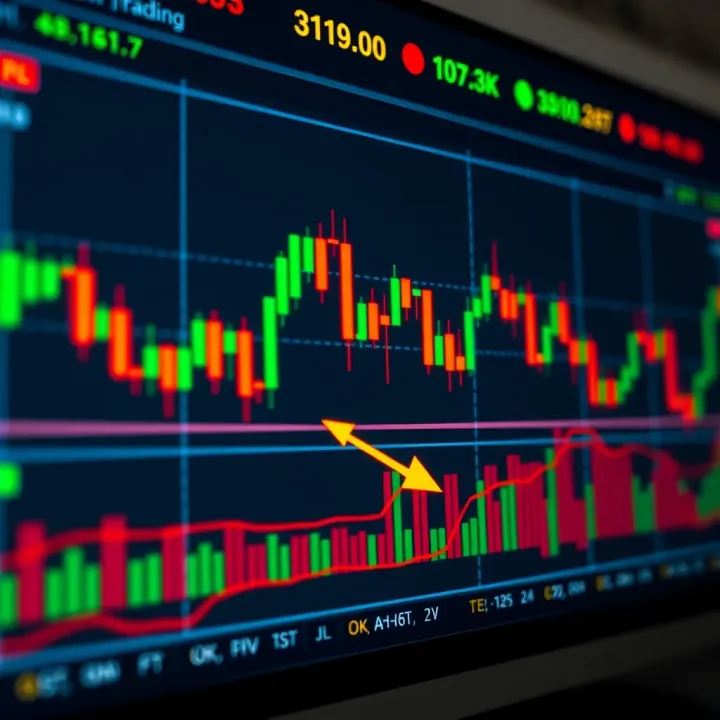
Recognising even a handful of these patterns can significantly improve your timing in the markets, reducing guesswork and helping protect your capital.
For those more comfortable learning in Hindi, numerous PDFs provide detailed explanations and illustrations of these patterns. These Hindi resources bridge the language gap, making technical analysis accessible to a wider audience across India. Unlike generic guides, Hindi PDFs often use everyday language and examples suited to India’s market context.
Here’s what you can expect from these Hindi PDF guides:
Clear definitions of candlestick components—how to interpret bodies, shadows, and wicks
Step-by-step analysis of common bullish and bearish patterns
Practical examples applied to stocks listed on NSE and BSE
Tips on integrating patterns with other indicators like RSI or moving averages
Learning from well-structured Hindi PDFs can boost your confidence to incorporate candlestick analysis into your trading toolkit. Whether you are a student preparing for exams like NSE’s certification courses, a practising trader, or a finance professional expanding your skills, Hindi-language resources make this complex subject approachable.
Trading stocks based on technical insights rather than hearsay or tips can improve your chances of success. Start with mastering a few key candlestick patterns, and gradually build a chart reading habit. With Hindi PDFs tailored to Indian market settings, you have a practical and effective resource to support your learning.
In the next sections, we will explore these patterns in detail, focusing on how you can spot them and use them alongside other signals to make smarter trading choices.
Candlestick charts play a vital role in financial analysis, especially for traders and investors focusing on stock movements. They provide a clear visual snapshot of price action within a specific time frame, making it easier to spot potential market trends and reversals. For anyone serious about understanding Indian stock markets, grasping the basics of candlestick charts sets a strong foundation.
A candlestick chart is a type of financial chart that displays the price movement of a stock or asset over a certain period. Each candlestick represents one trading session — which could be a minute, an hour, a day, or more. Its main purpose is to help traders quickly interpret market sentiment through price action rather than just raw numbers.
Each candlestick has three core parts: the body, the upper wick (shadow), and the lower wick (tail). The body shows the opening and closing prices within that period. A filled or coloured body usually means the closing price was lower than the opening (bearish), while an empty or light body means the opposite (bullish). The wicks indicate the highest and lowest prices reached during that time. For example, a long upper wick but short body may suggest selling pressure at higher prices.
Unlike line charts which only connect closing prices, candlestick charts show more detailed insights by incorporating open, close, high, and low prices. Bar charts also provide similar data but lack the intuitive body shape that makes patterns easier to spot. This visual advantage helps traders anticipate short-term moves effectively.
Candlestick charts simplify complex price data into understandable shapes and colours, allowing traders to make quicker and more confident decisions. This visual approach helps identify momentum shifts, indecision, or strength in a given trend — details harder to detect in numerical tables.
In markets like the National Stock Exchange (NSE) and Bombay Stock Exchange (BSE), candlestick analysis has become standard practice. Many Indian trading platforms offer live candlestick charts, assisting retail investors to interpret market moves alongside fundamental data. For instance, spotting a bullish engulfing pattern in Reliance Industries or HDFC Bank stock may signal an opportunity to enter a trade.
Understanding basic market jargon improves chart reading. Bulls represent buyers pushing prices up, while bears are sellers driving prices down. Trends show the general direction of stock prices — upward (bullish), downward (bearish), or sideways (neutral). By learning these terms alongside candlestick patterns, traders can align strategies better with market conditions.
Candlestick charts are not just colourful graphs but effective visual tools that give you an edge in understanding price behaviour and making informed trading choices.
In summary, starting with candlestick charts helps build a clear mental map of market activity. This foundation is essential before moving on to recognising complex patterns, especially with Hindi PDFs guiding Indian investors in their preferred language.
Understanding common candlestick patterns is a must for traders and investors aiming to read market sentiment clearly. These patterns offer visual clues about potential price moves, helping you decide when to enter or exit trades. In the Indian stock market, such insights prove valuable given the volatility and rapid shifts affected by domestic and global factors.
A Doji forms when the opening and closing prices are almost the same, resulting in a very small or no body. It reflects indecision among traders — neither bulls nor bears have the upper hand. For instance, after a strong uptrend in TCS shares, spotting a Doji may warn you that the momentum is weakening and a reversal might be near.
A Doji alone doesn't guarantee change; it gains significance when appearing after extended moves or combined with other indicators. It prompts cautiousness, signalling you to watch closely before acting.

Both these look alike with small bodies and long lower shadows but appear in different contexts. A Hammer shows up after a downtrend and suggests potential bullish reversal. Say, if Infosys's price drops for several sessions and then forms a Hammer, it indicates buyers entering the market at lower levels.
In contrast, the Hanging Man appears after an uptrend. It warns of possible bearish reversal as it shows sellers pushing the price down before close. For example, Reliance Industries forming a Hanging Man might signal a pause or dip ahead.
The key is to confirm these signals with the following candles or volume for reliable decision-making.
An Inverted Hammer emerges at the bottom of a downtrend with a long upper shadow and small body, hinting at a possible bullish turn. If HDFC Bank shows this pattern, it implies buyers tried to push prices higher despite previous drops.
Conversely, a Shooting Star appears after an uptrend with a long upper wick, indicating sellers started to dominate. This could foreshadow a trend reversal downward.
Both patterns are subtle and should be validated before jumping into trades.
These are powerful reversal indicators involving two candles. A Bullish Engulfing occurs when a small bearish candle is fully covered by a larger bullish candle, showing a shift from sellers to buyers. Imagine Dabur's stock downtrend suddenly stopped by a bullish engulfing pattern; it hints at strengthening bulls.
The Bearish Engulfing is the reverse: a small bullish candle followed by a larger bearish one that engulfs it, signalling increased selling pressure.
Watch the volume during these patterns to gauge reliability.
These three-candle patterns mark strong reversals. A Morning Star signals bullish reversal starting with a tall bearish candle, a small indecisive candle (often a Doji), and then a tall bullish candle.
For example, after a dip in ITC Limited, a Morning Star pattern might indicate buyers regaining control.
Evening Star flips this logic, suggesting bearish reversal after an uptrend.
These patterns help traders spot turning points with better clarity.
The Three White Soldiers pattern consists of three consecutive long bullish candles opening within the previous candle’s body and closing near highs. It shows sustained buying momentum. If Bajaj Finance shows this, it signals strong bullish confidence.
Opposite to this, the Three Black Crows are three long bearish candles indicating sustained selling pressure and potential bearish trend initiation.
These patterns rarely lie but need confirmation with other tools like volume or support/resistance levels.
Knowing these common patterns allows you to read market psychology better and make informed trading calls. Just remember, patterns don't assure outcomes; combine them with other analysis methods to reduce risks.
Candlestick patterns offer visual clues about market sentiment that traders can use to make informed decisions. Recognising these patterns helps you identify possible trend directions—whether the market is gearing up for a rise (bullish) or a fall (bearish). For example, a hammer pattern appearing after a downtrend might indicate a potential reversal, signalling a buying opportunity. Such patterns are especially useful in the Indian stock market where price swings can be sharp and swift.
Recognising bullish and bearish signals involves understanding key candlestick shapes and their position within a trend. Bullish signals, like a morning star or three white soldiers, suggest buyers may soon push prices higher. Bearish signals, such as evening star or shooting star, hint at possible declines ahead. Spotting these early gives traders the chance to enter or exit positions advantageously. For instance, after observing a bearish engulfing pattern in Reliance Industries’ chart, a trader might prepare to sell before prices drop.
Confirming patterns with volume and indicators strengthens decision-making. A candlestick pattern alone might not be enough; additional confirmation from trading volume and other tools like Relative Strength Index (RSI) or Moving Averages helps filter out false signals. Higher volume on a bullish candlestick suggests genuine buying interest, increasing reliability. Similarly, if RSI indicates oversold conditions while a hammer forms, it boosts confidence in a bullish reversal. This multi-layered approach makes trading less risky.
False signals and market noise are common challenges. Sometimes a candlestick pattern may suggest a reversal or breakout, but the market moves sideways or continues the trend. This can mislead traders and cause losses. For example, a doji candle might appear to signal hesitation, but the price might still fall due to external factors like geopolitical tension or sudden corporate announcements. Being aware that no pattern guarantees success helps in managing expectations.
Importance of combining with other analysis tools cannot be overstated. Relying solely on candlestick patterns can be risky. Effective traders pair them with fundamentals, trendlines, volume analysis, and relevant news. For instance, confirming a bullish engulfing pattern near support levels with positive quarterly results increases the probability of a profitable trade. Using multiple tools acts like a safety net, reducing chances of wrong calls in volatile markets like India’s.
"Candlestick patterns provide valuable signals but work best when confirmed with volume, technical indicators, and market context."
Keep practising by reviewing charts alongside Hindi PDF guides to sharpen pattern recognition and decision-making skills. This balanced approach helps use candlestick analysis as a reliable part of your overall trading strategy.
Candlestick chart patterns are essential tools for understanding market movements, and accessing resources in Hindi makes learning far more approachable for many Indian traders. PDFs in Hindi break down complex concepts into straightforward language, enabling better grasp without the barrier of unfamiliar financial jargon. These documents act as handy references, especially for self-learners who prefer going at their own pace.
Many technical terms in trading can be confusing when presented only in English. Hindi PDFs simplify these ideas by using familiar phrases, making it easier for traders to internalise concepts like "bullish engulfing" or "doji" patterns. For example, explanations that compare candlestick terms with everyday analogies resonate better, helping learners connect the dots quickly.
Since the Indian stock market ecosystem revolves around familiar entities like the Sensex, Nifty, or SEBI guidelines, Hindi resources often contextualise examples locally. This means learners won't just memorise patterns but also understand how they act in Indian market conditions. Such relevance improves practical comprehension rather than rote learning.
Having PDFs readily available allows traders to refer back whenever needed. Whether revisiting pattern definitions or brushing up before a trading session, Hindi PDFs provide a quick refresher. This flexibility supports independent learners who do not always have access to instructors or structured classes.
Websites run by credible financial news portals or market experts often offer downloadable PDFs on candlestick charts. These resources are regularly updated to reflect the latest market trends and regulatory changes, ensuring the information stays useful and accurate.
Many leading Indian brokerages like Zerodha, ICICI Direct, and Angel Broking host educational sections with Hindi materials. Their content often includes easy-to-follow PDFs designed specifically for their client base, making them trustworthy sources for beginners and experienced traders alike.
E-books published by market veterans or financial educators are another source of Hindi PDFs. These guides usually cover basics to advanced topics, available for free or at a nominal cost. They serve as comprehensive learning tools that traders can carry and study offline.
Reading about candlestick patterns alone won’t build skill unless paired with actual chart analysis. Traders should open live or historical stock charts and identify patterns as they study the PDFs. This hands-on practice deepens understanding and builds real-world application.
Writing down key points from PDFs helps retain information better. Summarising each pattern’s characteristics and typical market signals in a notebook creates a personalised reference. Over time, this habit can speed up pattern recognition during live trading.
Market behaviour changes with new economic developments and regulations. Traders should revisit PDFs periodically or look out for updated editions to stay current. Relying on outdated information can lead to misreading signals and unnecessary losses.
Having Hindi PDF resources at hand bridges the gap between technical knowledge and practical trading skills for Indian investors. Using them wisely ensures steady progress in mastering candlestick chart patterns.
Learning candlestick patterns effectively involves hands-on practice and systematic approaches. Understanding theory alone won’t make you confident in reading charts or executing trades. This section outlines practical steps to build your skills using real-world tools, data, and community learning — all essential for anyone serious about trading in the Indian stock market.
Focusing on pattern recognition is the foundation of mastering candlestick analysis. Begin by memorising simple single-candle and multiple-candle patterns like Doji, Hammer, Bullish Engulfing, or Morning Star. Regularly scanning charts to identify these structures trains your eye and speeds up recognition in live markets. For example, spotting a Hammer during a downtrend may hint at a possible reversal, but seeing it repeatedly in different stocks builds that intuitive understanding necessary for quick decisions.
Using charting software or apps helps translate your learning into practical skills. Platforms like Zerodha Kite, Upstox Pro, or TradingView India offer free or affordable tools to view candlestick charts in real-time. They allow you to customise chart intervals, overlay volume data, and even set alerts for key patterns. Working daily with these tools familiarises you with market behaviour and pattern variations. This practice is crucial because patterns seen in PDFs or books may look idealised, while real charts often present subtle differences.
Simulated trading (also called paper trading) lets you test your pattern-based trading strategies without risking actual money. Many Indian trading platforms offer demo accounts where you can practice buying and selling shares based on candlestick signals. For instance, when a Bullish Engulfing appears, you can enter a virtual trade and track its outcome. This hands-on approach helps you learn how patterns perform under different market conditions and refine your entries and exits.
Reviewing past market movements is another powerful way to understand candlestick patterns’ effectiveness. You can analyse historical price charts of Indian indices like Nifty 50 or Sensex to spot how patterns preceded big market moves. This backward-looking study trains you to identify reliable setups and avoid common pitfalls, such as false signals. Archiving your personal notes on these observations deepens knowledge beyond theory.
Learning from experienced traders exposes you to insights and tips that books or PDFs alone might miss. Participating in discussions on trading platforms, getting feedback on trade ideas, and sharing experiences can accelerate your learning curve. Indian trader communities on Telegram, WhatsApp, or dedicated forums often share pattern analysis in Hindi, making the learning more accessible.
Discussion in Hindi language groups provides cultural and linguistic comfort, especially for those new to candlestick charts. These groups bridge the gap between technical jargon and everyday language, helping you grasp nuances better. By exchanging queries and interpretations with peers, you actively engage with the material, reinforcing your understanding while building networks for ongoing support.
Practical learning of candlestick patterns goes beyond reading PDFs. Regular practice with software, testing in simulated environments, and interacting with fellow traders form a comprehensive approach to mastering market timing and analysis.
📊 Learn candlestick patterns with easy PDFs! Understand charts, spot key patterns, and improve your trading skills with this practical, step-by-step guide.

📊 Discover powerful candlestick & chart patterns traders use to read market trends, interpret signals & make smart trading moves in real scenarios.

📈 Learn how to spot the most profitable chart patterns for trading success. Understand key setups, identification tips, and real market applications for better decisions.
Discover key chart patterns 📈 that traders use to spot market trends and predict price moves. Learn practical tips for reading real charts like a pro 💹.
Based on 5 reviews