

Key Candlestick Patterns for Smarter Trading
📈 Learn how to spot key bullish, bearish, and neutral candlestick patterns for smarter trading decisions in India’s stock market. Master price action today!
Edited By
Eleanor Bennett
Candlestick patterns are a cornerstone of technical analysis used by traders to understand price movements and predict future market directions. Unlike simple line charts, candlestick charts provide a visual snapshot of price action within a specific time frame, showing the opening, closing, high, and low prices.
Each candlestick consists of a body and shadows (wicks). The body represents the range between the open and close price, while the shadows indicate the highest and lowest trades during that period. When the close is higher than the open, the body is typically bullish (often shown as hollow or green). Conversely, a close lower than the open signals a bearish candle (usually filled or red).
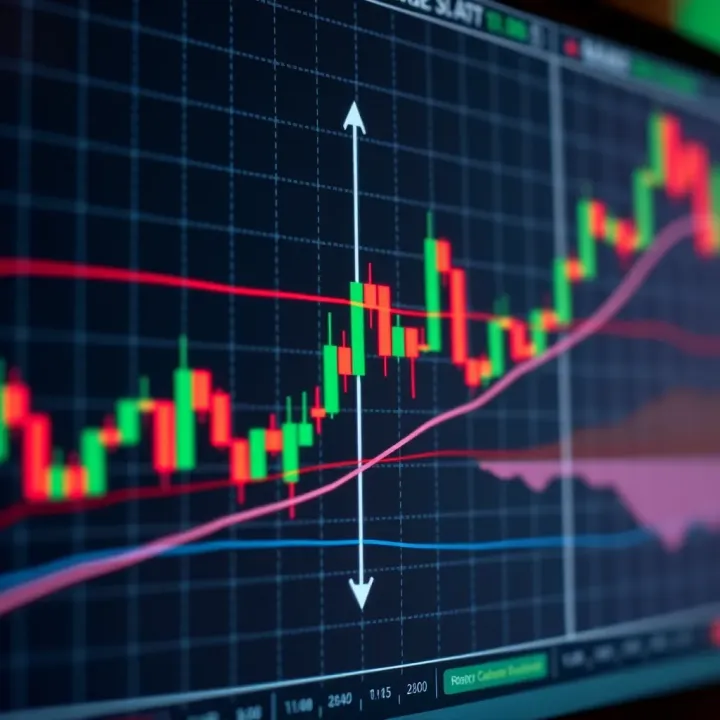
In the Indian stock market, which sees a mix of retail and institutional participation, recognising candlestick patterns can offer timely signals for entry or exit. For example, during volatile sessions on the National Stock Exchange (NSE), a formation like the "Hammer" pattern may indicate that sellers pushed prices down but buyers regained control, signalling a potential price reversal upwards.
Traders should focus on common patterns such as:
Doji: Marks market indecision, where opening and closing prices almost match.
Engulfing: A larger candle completely covers the previous smaller one, suggesting a strong reversal.
Morning Star and Evening Star: Three-candle formations signalling bullish or bearish reversals respectively.
It’s important to interpret these patterns alongside volume and broader market context rather than in isolation. In Indian markets, combining candlestick analysis with indicators like RSI or MACD can improve decision-making.
Understanding the basics of candlestick patterns helps traders spot shifts in market sentiment early, giving them an edge in timing their trades, especially in fast-moving Indian equities.
In the next sections, we will explore specific patterns in detail, their typical meanings, and how you can apply them practically to your trading strategies in the Indian stock market.
Candlestick charts remain fundamental to technical analysis for traders and investors. They condense vast trading data into a simple, visual format that reveals price action quickly and clearly. Especially in volatile markets like the National Stock Exchange (NSE) or Bombay Stock Exchange (BSE), understanding these charts helps traders make timely decisions rather than relying on numbers alone.
Candlestick charts originated in 18th-century Japan as a method to track rice prices. A rice trader named Munehisa Homma pioneered this visual style, which nowadays forms the base for many modern trading platforms. This technique provides more insight than simple line charts by showing not just price direction but also volatility and momentum within a time frame.
Each candlestick represents price movement during a specified period — it could be a minute, an hour, or a day. This compact visual summarises crucial information: opening price, closing price, as well as the highest and lowest prices during that period. This clarity aids in spotting trends, reversals, or periods of indecision quickly.
A candlestick consists mainly of two parts: the body and the wick (also called shadow). The body shows the range between the opening and closing prices. If the closing price exceeds the opening price, the candlestick usually appears filled with a lighter colour, indicating bullish momentum. Conversely, a filled (darker) body usually means bears took charge, pushing prices down during that session.
The wicks extend above and below the body, marking the highest and lowest prices reached. Long wicks can indicate rejection of price levels and possible reversals. For instance, a long upper wick followed by a small body near the lower end may imply buyers failed to maintain control.
The four prices form the backbone of each candlestick:
Open: Price when the period begins.
High: Highest price within that period.
Low: Lowest price within that period.
Close: Price when the period ends.
Traders focus on where the close sits relative to the open, as this gives cues on market sentiment. A close near the high can suggest buyers dominated, while a close near the low may hint at selling pressure.
In Indian trading platforms like Zerodha Kite or Angel Broking, colours quickly distinguish bullish from bearish candles. Generally, a green or white body denotes a rise in price (close above open). A red or black body signals a fall (close below open). While these colour schemes could vary slightly by platform, their role remains crucial for quick reading.
Understanding these subtle differences helps traders avoid costly mistakes—like mistaking a temporary pullback for a full trend reversal—which can happen when ignoring candle colours.
By learning how to read a candlestick chart effectively, you gain a powerful tool to interpret market moods, spot emerging patterns, and time your entries and exits more confidently in India's dynamic stock market environment.
Single-candle patterns offer a snapshot of market sentiment, often signalling shifts in price direction without needing multiple bars or candles. These patterns help traders make quick decisions in intraday or short-term trading, which is especially useful when watching volatile Indian stocks on NSE or BSE. By understanding these simple formations, traders can anticipate momentum changes or pauses and adapt their strategy accordingly.
Standard Doji and market indecision: A standard Doji forms when the opening and closing prices of a stock are virtually equal, creating a near-zero body. This pattern shows that buyers and sellers are evenly matched, reflecting indecision in the market. For example, if Reliance Industries’ share price shows a Doji after a strong upward move, it suggests the uptrend might be losing steam, and traders should watch closely for a possible reversal or consolidation.
This indecision means neither bulls nor bears have control, making it a crucial point for traders to observe the following candles for confirmation. The presence of a Doji at key support or resistance levels amplifies its importance in predicting potential turning points.
Long-legged Doji and potential reversals: A long-legged Doji features extended wicks on both ends, showing sharp but balanced swings during the session. Its long shadows tell that prices tested higher and lower levels before settling near the open.
This pattern often signals potential market reversals because it reflects high uncertainty, especially after a strong trend. Imagine TCS stock falling rapidly, then forming a long-legged Doji; it hints that the selling pressure might be easing, and buyers could step in soon. Traders typically look for confirmation with the next candle rising to validate a bullish reversal.
Identifying Hammers during downtrends: A hammer candle has a small body near the top end with a long lower shadow, resembling a hammer. It appears when prices drop significantly during the session but recover to close near the opening price. In a downtrend, spotting a hammer on stocks like HDFC Bank can signal the selling exhaustion and possible bullish reversal.
The long lower wick shows buyers entering the market to push prices back up, suggesting support. Traders often wait for a follow-up candle confirming the reversal before taking a long position.
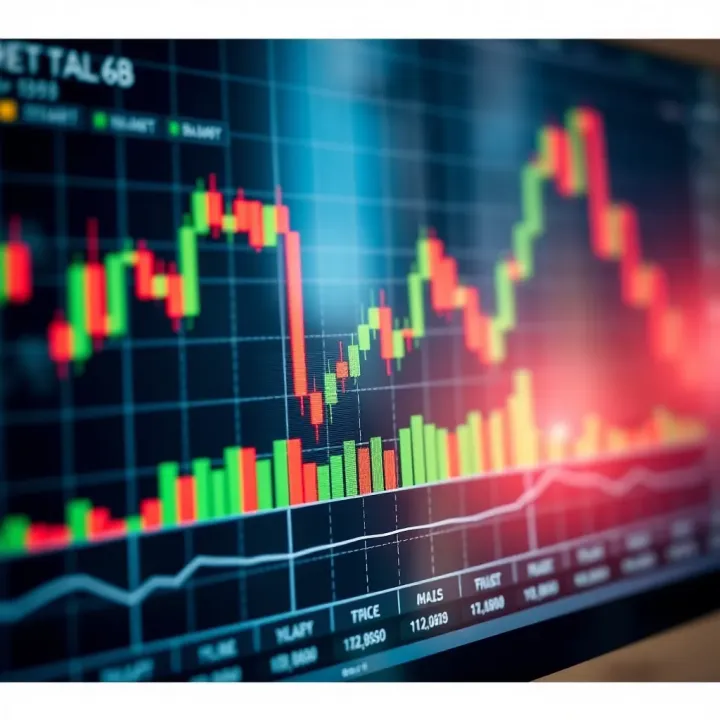
Hanging Man as a warning in uptrends: The hanging man looks similar to the hammer in shape but appears during an uptrend. It hints that sellers are starting to test the waters, causing a fearful reaction among buyers.
For example, if Infosys shows a hanging man candle near a recent peak, it serves as a caution sign that the uptrend lacks strength. Traders should watch for a bearish confirmation candle that follows, which might signal a trend reversal or at least a pause.
Meaning of spinning tops in price action: The spinning top candle has a small body with long upper and lower shadows. This shape indicates indecision, as prices moved up and down considerably but closed near the open.
In the Indian markets, spotting spinning tops during a trending phase often means momentum is weakening. Say Bajaj Finance exhibits spinning tops after a price surge, indicating traders are uncertain and the trend may pause or change.
Using spinning tops to spot uncertainty: Spinning tops are valuable during volatile sessions, like during quarterly results or RBI policy announcements. These candles suggest the battle between buyers and sellers is balanced, and that traders should be alert for the next move.
Rather than acting hastily, waiting for a clear follow-up pattern or volume confirmation helps avoid false signals. Spotting spinning tops near critical support or resistance levels adds even more weight to the caution.
Single-candle patterns like Doji, Hammer, Hanging Man, and Spinning Top provide clear, quick insights into market psychology. They help traders refine entry and exit points amidst the daily noise of Indian stock markets.
Understanding these signals and their context allows for smarter trades, backed by price action rather than guesswork.
Multi-candle patterns provide a clearer picture of market sentiment by showing how price action evolves over several sessions. Unlike single-candle patterns, these involve two or more candles working together to signal potential reversals or confirmations of trends. Understanding these patterns helps traders avoid false signals and make better decisions regarding entries and exits.
A bullish engulfing pattern forms when a small red candle is followed by a larger green candle that completely covers the previous candle's body. This shows that buyers have overwhelmed sellers, often signalling a reversal from a downtrend to an uptrend. For example, in the Indian markets, if Reliance Industries shows a bullish engulfing near key support levels with rising volume, traders might consider this a strong buy signal.
Conversely, a bearish engulfing pattern happens when a small green candle is followed by a larger red candle engulfing it. This indicates sellers have gained control, hinting at a possible trend reversal to the downside. On trading platforms like Zerodha Kite, spotting a bearish engulfing in Tata Motors after an extended uptrend could alert a trader to exit or short the stock.
The morning star pattern appears over three candles: a long red candle, a small-bodied candle (which may be red or green) indicating indecision, and a long green candle closing well into the first candle’s body. This pattern suggests selling has weakened and buying pressure is picking up, often pointing to a bullish reversal. For instance, HDFC Bank’s shares forming a morning star close to major support zones can encourage traders to accumulate shares.
The evening star is the bearish counterpart: a long green candle, followed by a small-bodied candle, then a long red candle that closes deep into the green candle’s body. It signals buyer exhaustion and increasing selling pressure. In practical terms, if Infosys shows an evening star after a rally, it might warn traders to book profits or tighten stop-losses.
Three white soldiers consist of three consecutive long green candles, each closing near its high and opening within the previous candle’s body. This pattern confirms strong buying momentum and a solid uptrend. When seen in stocks like Bajaj Finance during the Bharat Dalal rally, it suggests confidence among investors and may encourage fresh buying.
The opposite pattern, three black crows, features three successive long red candles with each opening within the prior candle’s body and closing near its low. This points to sustained selling pressure and the likelihood of further downside. Traders observing this in companies like Yes Bank should be cautious, possibly exiting positions or avoiding new long trades.
Multi-candle patterns are reliable when combined with other tools like volume and moving averages. Watching these patterns in Indian stocks on NSE and BSE helps make well-timed trading decisions.
This focused understanding of key multi-candle patterns provides a practical edge for traders looking to read trend changes and momentum shifts accurately.
Understanding how candlestick patterns perform within the Indian stock market offers traders practical insights into price behaviour specific to NSE and BSE environments. These patterns don't act in isolation; rather, they work best when combined with other technical indicators, giving a clearer picture of possible market moves. Given the volatility and unique trading rhythms of Indian equities, integrating candlestick analysis helps traders time entries and exits more effectively.
Volume is a powerful supplement to candlestick signals. For instance, a bullish engulfing pattern coupled with rising volume on a BSE stock like Reliance Industries often confirms strong buying interest. Without volume support, the pattern’s reliability diminishes. Volume acts as a reality check, showing whether the market genuinely supports the price reversal or continuation indicated by the candlesticks.
Similarly, spotting a Doji during low volume phases often signals indecision, but when followed by high volume and a strong candle, it can signal a sharp turn in price action. Traders who ignore volume risk misreading patterns that appear strong but lack conviction.
Moving averages help smooth out price fluctuations and identify trends. When combined with candlestick patterns, they strengthen trade signals. For example, if a hammer forms near the 50-day moving average on an NSE stock such as Infosys, it may indicate a solid support level and a possible trend reversal.
Crossovers or price bounces on these averages combined with pattern confirmations lead to higher probability trades. Sometimes, a candlestick suggesting reversal might be invalidated if price action stays below a key moving average, reminding traders not to rely solely on patterns but to use these averages as trend filters.
Candlestick patterns are tempting to use since they’re visual and straightforward. However, they can mislead if considered alone. Indian markets often experience news-driven volatility, which can trigger misleading patterns. Treating a hammer or engulfing pattern as a certain buy without observing broader market environment, support levels, or sector performance may result in losses.
Successful traders use patterns as one tool amidst many, not as crystal balls. Check daily headlines, quarterly results, and index trends alongside candlesticks before acting.
During earnings announcements or policy changes from the Reserve Bank of India (RBI), market swings can distort candlestick formation. For example, a spinning top could mistakenly be seen as indecision, when in fact heavy intraday volatility is at play.
Patterns tend to work better in more stable phases. Trading solely on them during high volatility can cause false signals. It's wise to confirm trades with other indicators or wait for volatility to subside before relying on candlestick hints.
Consider the bullish engulfing pattern seen on Tata Motors during late 2023 after a steep fall. Volume surged as the pattern emerged, coinciding with a bounce from a key moving average. Traders who spotted this early captured significant gains over weeks as the recovery took hold.
On the downside, an evening star pattern on Maruti Suzuki before a market correction served as an early warning signal. Traders combining this with sector weakness exited at profitable levels, avoiding losses.
Recent Nifty 50 swings showed that candlestick patterns work best when combined with macroeconomic awareness. The market's reaction to RBI’s policy shifts led to sharp but short-lived reversals, which candlesticks captured. However, relying only on patterns without following policy news led to premature trades.
Seasonal factors like festive demand cycles also altered price behaviour, reminding traders to watch patterns within broader trends rather than as standalone signals.
Traders must weave candlestick patterns carefully with volume, moving averages, and market context for reliable decisions in Indian markets.
Understanding how to use candlestick charting tools is vital for traders aiming to interpret price movements accurately. These tools help you visualise market behaviour, identify patterns, and make informed decisions. For anyone serious about trading in the Indian markets, familiarity with popular platforms and customising charts for clarity can drastically improve your analysis and timing.
Zerodha Kite stands out as one of the most widely used trading platforms among Indian investors. It offers a clean interface with robust charting tools that support candlestick patterns. You can easily switch between daily, hourly, or even minute-by-minute charts to track price action in real time. The platform also allows you to overlay indicators like moving averages or RSI directly on candlestick charts, which helps cross-verify signals.
One practical benefit of Kite is its integration with the National Stock Exchange (NSE) and Bombay Stock Exchange (BSE), ensuring quick updates and reliable data. Additionally, Kite's mobile app supports candlestick charting, making it convenient for traders on the go.
Upstox is another popular platform offering comprehensive charting tools with candlestick patterns. It provides user-friendly features such as drag-and-drop technical indicators and drawing tools. Upstox caters to both beginners and advanced traders who prefer custom setups.
Angel Broking's platform, with its ARQ technology, helps identify chart patterns using AI, which includes candlestick formations. This can assist traders in validating their hypotheses or uncovering hidden opportunities. Both Upstox and Angel Broking also bring in the advantage of low brokerage and integration with Indian exchanges, making them practical choices for retail investors.
Choosing the correct timeframe on your candlestick charts depends on your trading style. For intraday traders, 1-minute to 15-minute charts work best as they capture quick price movements and provide entry-exit signals faster. Scalpers might even rely on tick charts for ultra-short-term insights.
On the other hand, long-term investors or swing traders often prefer daily, weekly, or monthly candlestick charts. These help spot sustained trends and significant reversal patterns without getting distracted by minor fluctuations. Being mindful of your trading horizon ensures the candlestick signals you interpret are meaningful for your goals.
Most platforms allow you to customise the colours of candlestick bodies and wicks. In India, red generally marks a falling price candle while green indicates rising prices. That said, some traders prefer switching colours to suit their visual comfort or to better contrast with other chart elements. This personalisation helps reduce eye strain during long analysis sessions.
Indicators like volume bars, moving averages, and Bollinger Bands complement candlestick patterns by adding context. For example, a bullish engulfing candlestick paired with strong volume spikes is a more convincing buy signal. Adjusting indicator settings to your preferred periods (like a 50-day MA or 20-period RSI) can sharpen your insights as you evaluate entries and exits.
Getting comfortable with charting tools and personalising them to your trading style is not just handy, it's essential to extract real value from candlestick patterns in the Indian market.
By starting with these platforms and setup tips, you lay a strong foundation for better trading decisions based on candlestick analysis.
📈 Learn how to spot key bullish, bearish, and neutral candlestick patterns for smarter trading decisions in India’s stock market. Master price action today!

📊 Master candlestick patterns to boost trading skills in India! Learn key charts, identify trends, and combine tools for precise market moves.
📈 Master candlestick patterns with this practical guide! Understand charts, spot common signals, and improve trading strategies with expert tips and risk advice.
Learn how multi candlestick patterns enhance your trading skills 📊. Understand formations, confirmation signals, and risk management for smarter decisions.
Based on 13 reviews