
Understanding No-Investment Online Trading Apps
🚀 Discover how online trading apps let you start trading without any upfront investment. Learn the risks, benefits, and tips to trade smartly in India 📱💡
Edited By
Charlotte Greene
In recent years, no investment trading apps have gained significant attention, especially among beginners and cautious traders in India. These platforms let users try their hand at trading without putting real money on the line initially. It's like giving you a backstage pass to the stock market, allowing you to learn the ropes before diving into actual investments.
This article will walk you through what these apps are all about, how they operate, and why they might be useful—or risky—for your trading journey. We'll discuss popular apps you can find locally, what to look out for before downloading one, and share some practical tips to make the most of these trading tools.
Whether you're a student curious about markets, a professional looking to sharpen your skills, or just someone testing the waters, understanding no investment trading apps can save you time and money.
By the end, you’ll have a clearer picture of how to use these platforms responsibly and how they fit into your broader trading strategy. No fluff, just straightforward insights to help you make informed choices.
Grasping the concept of no investment trading apps is the first step toward making informed decisions when exploring digital trading. These apps have gained a lot of attention lately, especially in markets like India, where beginner traders want to test the waters without risking their hard-earned money.
No investment trading apps offer a unique way to learn and experiment with trading platforms using virtual funds instead of real money. This benefits users by removing financial pressure and allowing mistakes that would otherwise cost actual cash. For instance, someone new to the market can get familiar with how a stock behaves on the NSE or BSE without worrying about losing a rupee.
This understanding is essential because it sets expectations about what these apps can provide and where their limitations lie. Experienced traders might use them to test fresh strategies before taking the plunge in live trading. Meanwhile, students or new entrants can develop a solid foundation in market operations.
At their core, no investment trading apps are digital platforms where users can engage in simulated trading using virtual currency. Instead of putting real money on the line, the app provides funds that mirror an actual trading environment. Think of it like a flight simulator but for trading — you get to practice landing planes without actually flying.
These apps mimic real market conditions closely, often updated with live stock prices, mutual fund values, or commodity prices. The goal is to offer an environment that helps users practice buying, selling, and managing portfolios without financial risk. They’re especially useful for practicing order types, such as limit orders or stop-losses, before moving on to actual money.
Traditional trading apps require you to link your bank account and invest real money. Every trade affects your actual finances, and losses or gains are genuinely felt. On the flip side, no investment apps isolate this financial element and focus purely on the educational and experiential aspect.
While many traditional apps do offer demo modes, dedicated no investment apps are usually built with learning in mind from the ground up. They prioritize tutorials, easier navigation for novices, and clear indicators to distinguish virtual funds from real assets. Plus, traditional apps will involve regulatory compliance regarding deposits and withdrawals, whereas no investment apps relieve users from this hassle.
Understanding this difference helps users know when and how to switch from practice to real trading, reducing shocks or surprises.
Demo accounts are the backbone of no investment trading apps. When you register, the app credits you with virtual money—say Rs. 1 lakh—and you use that to make trades. This isn’t just Monopoly money; it interacts with live data. For example, if Infosys shares go up by 2%, your virtual portfolio reflects that change immediately.
The key value here is you gain experience in managing a portfolio and reacting to market dynamics without any financial loss. You can experiment with risky trades, see the effects of sudden changes in price, or practice using margin trading features if the app offers them — all without real stakes.
Getting started is usually straightforward. After you download the app, you create an account with basic information. Some apps, like Zerodha Varsity or Upstox Pro Demo, offer quick signups with minimal verification since there is no real money involved.
Onboarding often includes a tutorial or a mini-course to help users understand the interface, key terms, and how to place trades. For instance, the Angel Broking app guides beginners through the process of buying and selling commodities before they try making more complex trades.
The user experience is designed to encourage exploration without pressure. Easy access to market charts, news updates, and even analytics tools helps users move confidently from theory to practice.
These apps act as a sandbox for traders—learn the ropes here before taking the plunge with real money.
In summary, understanding how no investment trading apps work demystifies the trading process and highlights their value as an educational stepping stone. Whether you’re a student, a novice trader, or a seasoned analyst testing strategies, these platforms offer vital practical experience in a risk-free environment.
No investment trading apps serve as a valuable starting point for anyone looking to understand trading without risking real money. For beginners, these platforms act like a sandbox where you can play around, test ideas, and absorb the nuts and bolts of the markets with a safety net. Experienced traders, on the other hand, appreciate the opportunity to try new strategies without any pressure. This section digs into why these apps are more than just games—they're tools that build skills, confidence, and market intuition.
When you first step into trading, the fear of losing hard-earned cash can be overwhelming. No investment trading apps take that worry off the table by allowing you to practice trading strategies safely. With virtual funds, you can buy and sell stocks, commodities, or currencies as if it’s real, but without any hit to your wallet. Imagine testing a complex options spread or day trading volatile stocks like Tata Motors or Reliance Industries without sweating bullets over losing money — that’s the kind of freedom these apps provide.
Practicing risk-free teaches you more than theory because you can see how your actions pan out in real-time market-like conditions, spotting what works and what doesn’t.
Beyond just trial and error, these apps help build confidence before investing real money. Many traders lose out early simply because hesitancy or panic leads to missed opportunities or rash decisions. By spending time in a simulated environment, you train your brain to recognize patterns, develop discipline, and make calm choices. A practical example: a user who trades frequently on Upstox’s demo platform often finds the transition to live markets less intimidating because they already understand order types, timing, and reading charts.
No investment apps offer simulated market conditions that mirror real-world fluctuations almost like a shadow market. The prices move, news impacts stocks, and demand-supply forces come into play — all within the comfort of a virtual setup. This realistic backdrop lets users grasp how different events like RBI announcements or crude oil price spikes affect their holdings. For example, seeing how Infosys shares react when IT budgets get trimmed helps connect textbook knowledge with market reality.
Exposure to different asset classes is another massive plus. Instead of sticking to just equities, many apps let you explore commodities like gold and silver, mutual funds, or even cryptocurrency demos. This broad view is crucial because real trading isn’t confined to a single market segment. Getting familiar with multiple asset types on Zerodha Coin or Angel Broking helps you spot opportunities across sectors and learn asset-specific risks without burning a hole in your pocket.
In short, no investment trading apps are excellent platforms for thorough market education. They put you in the driver's seat, helping you understand the twists and turns of trading without the downside of financial loss. Whether you’re new to the scene or sharpening your skills, these apps lay a solid foundation for trading smartly in the future.
No investment trading apps serve as excellent training grounds, but it's important to understand their drawbacks. For beginners and even seasoned traders trying new strategies, these limitations can impact how accurately the demo experience mirrors live trading. Recognizing these gaps helps users avoid pitfalls and sets the stage for smarter transitions into real market conditions.
One major shortfall of demo apps is the absence of real money on the line, which removes the emotional stakes present in live trading. When you’re using virtual funds, it’s easy to shrug off losses or trade recklessly because no actual financial damage occurs. In contrast, real losses trigger emotions like fear, regret, or panic, which profoundly affect decision-making.
For example, a trader might place a big bet on a volatile stock in a demo account without much hesitation. But when real money is involved, they may hesitate or exit early due to stress. Understanding this disparity is crucial because managing emotions is a significant part of trading success. Users should try to apply discipline and treat demo trading seriously, mimicking live conditions as closely as possible.
Real markets behave differently when actual money trades hands compared to simulated environments. Some demo apps don’t fully replicate market liquidity, speed, or slippage. For instance, in a no-investment app, you might always get the desired price instantly, whereas in live trading, prices can move quickly, causing your order to fill at different levels.
This difference can give new traders a skewed understanding of how markets operate. Users must remember that real market conditions include unpredictable factors like sudden price swings, order execution delays, and spreads widening during volatile periods. Preparing for these realities before moving to live trading helps avoid unpleasant surprises.
Spending too much time in demo mode can make users nervous or hesitant to switch to real accounts. It’s common to fall into the trap of perfecting strategies endlessly in a risk-free sandbox, delaying the necessary step of facing actual market conditions.
Take the case of a trader who uses Upstox Pro Demo for months but hesitates to invest even a small sum. This cautiousness can stall progress and prolong learning curves. To counter this, set clear deadlines or goals and gradually allocate real funds while keeping demo practice ongoing. This balanced approach smooths the transition and builds confidence steadily.
Demo trading tends to paint an overly optimistic picture of trading results. Since there’s no emotional stress or real penalty for mistakes, users might expect the same smooth success with live accounts. This can lead to frustration once real money is at risk and the inevitable losses hit.
For example, hitting consecutive wins in a simulated platform might create the illusion of a foolproof strategy. However, the real market is unpredictable and influenced by many variables, including trader psychology and external economic events. Being aware of this can temper expectations and push traders to develop solid risk management skills before investing sizeable capital.
Remember, no investment trading apps are fantastic tools, but they don’t replace the real market experience with all its complexities. Use them as a guide, but prepare for the jump to live trading with realistic eyes and disciplined strategies.
Knowing about no investment trading apps readily available in India can make a world of difference for new traders. These apps let you practice and understand the market without risking your hard-earned money upfront. It’s like having a flight simulator before taking a real plane for a spin — a safe place to learn the ropes.
Such apps come packed with features catered to the unique Indian markets, offering access to data from major exchanges like the NSE and BSE. By practicing on these platforms, users get a feel for live-market conditions, helping bridge the gap between textbook theory and actual market behavior.
Zerodha has built a strong reputation in India’s trading landscape. Zerodha Varsity is essentially an educational platform that pairs well with their Coin app, which lets users invest in mutual funds. They both offer demo trading features where you can simulate buying and selling shares or mutual funds with virtual money.
Their biggest draw is simplicity combined with depth. If you’re starting out, Zerodha Varsity’s detailed lessons help you grasp concepts, while Coin lets you put what you learned to the test without touching real cash. It’s a neat blend of education and practice.
Upstox Pro is well-known for its user-friendly interface and quick execution. The demo version mimics their live app experience, so users get to navigate the same tools and charts just without financial risks.
This app stands out because it allows traders to test strategies across various assets like equities, commodities, and currencies. For example, if you want to understand how currency futures react to market news, Upstox Pro’s demo lets you experiment freely. This playground gives you confidence and sharpens trading skills before stepping into real investments.
Angel Broking’s app also offers a robust demo trading feature, emphasizing AI-backed recommendations and real-time market tracking. It’s designed to help beginners and seasoned traders alike simulate trades using virtual funds.
One handy aspect is how it correlates demo trades with real market trends, so users don’t just blindly click buttons but understand the market movements. It’s a solid tool to build practical knowledge without financial risk.

A must-have for no investment trading apps targeting Indian users is seamless access to the National Stock Exchange (NSE) and Bombay Stock Exchange (BSE) data. These two exchanges dominate trading volumes and represent the backbone of India’s stock market.
Having real-time (or near real-time) data from these sources in demo apps makes the simulation closer to actual trading environments. It means when you test strategies, you’re reacting to the same price movements and volumes as live traders. This accuracy prepares you better for what happens when money is actually on the line.
Indian investors have interests beyond stocks — commodities like gold, silver, and agricultural products play a big role, along with mutual funds as preferred investment avenues.
Top no investment trading apps offer demo versions including these asset classes, which broadens your exposure. For instance, you can practice trading crude oil futures or simulate mutual fund SIPs (Systematic Investment Plans) through virtual interfaces.
This range lets you explore what fits your trading style or long-term goals before committing real funds. It also gives a better understanding of how different markets react to global and domestic developments.
Using apps tailored to the Indian market’s breadth helps you grasp the whole investing ecosystem, not just isolated pieces. This hands-on practice is invaluable for making informed decisions later.
Navigating no investment trading apps designed for India’s markets offers a practical edge. Whether it’s Zerodha’s educational approach, Upstox Pro’s multitudes of asset testing, or Angel Broking’s AI insights, these platforms serve as invaluable training grounds. Make sure the app you pick includes crucial market data and asset classes that reflect your interests for realistic practice and better learning outcomes.
When exploring no investment trading apps, it's important to know what features can make your learning experience worthwhile and effective. These apps aren’t just about playing with virtual money; they should equip you with real trading skills and market knowledge. A good app bridges the gap between practice and actual trading. Here’s what to consider.
Easy navigation is a must-have for any trading app, especially ones designed for learning. An app cluttered with too many menus or unclear steps can discourage users who are just starting. Clear menus, straightforward commands, and intuitive placement of tools help you focus on learning trading rather than hunting for features. For example, Zerodha's Varsity platform organizes lessons and practice sessions in a simple layout that even beginners can handle without feeling overwhelmed.
Clear charts and analytics are fundamental for understanding market trends and testing strategies. Trading platforms with customizable charts, zoom functions, and easy-to-read indicators let users grasp technical analysis more naturally. For instance, Upstox Pro Demo offers clear candlestick charts alongside indicators like RSI and MACD, enabling users to test their analysis in a realistic environment. Without insights from proper charts, your practice lacks depth.
Tutorials and guides serve as a roadmap for many first-timers. A trading app that integrates step-by-step tutorials or visual guides can demystify complex concepts like option Greeks or margin trading. Angel Broking's app, for example, pairs its demo platform with video tutorials and FAQs that walk users through order placement and risk management, making learning practical and approachable.
Market analysis tools are another crucial feature. Access to technical and fundamental analysis within the app helps users understand why prices move the way they do. Such tools let you practice examining earnings reports, market sentiment, or even sector performances. Combining these insights with demo trading can sharpen your decision-making skills, turning raw data into informed trades.
Accurate price updates are essential for simulating real trading scenarios. Delayed or outdated prices can mislead explanations and hurt your learning curve. Apps like Groww demo provide almost real-time data from NSE and BSE, allowing users to react as if they’re in a live session. This accuracy helps bridge the gap between virtual practice and actual market conditions.
Order execution simulations take the experience a notch higher by mimicking how orders are processed in real markets. Features like partial fills, slippage, or order queues prepare you for the surprises you’ll face when trading live. For instance, some apps simulate order delays or price shifts, giving a more realistic sense of managing trades under pressure.
Remember, the goal of using these apps is to get as close to a real trading environment as possible without risking your own money. Picking an app with these key features will keep you grounded and ready for the jump into actual trading.
By focusing on these practical features — ease of use, educational support, and realistic market simulation — you stand a better chance of making meaningful progress. It’s not just about clicking buttons; it’s about gaining trading fluency that can pay off when you start investing real capital.
When exploring no investment trading apps, it's easy to get caught up in the excitement of risk-free practice trading. However, understanding the potential pitfalls can save you from false confidence or unintended losses when transitioning to real money markets. Knowing the risks and taking precautions helps create a smoother learning curve and builds a smarter trading mindset.
Demo trading is like driving a car in a simulator—it mimics the look and feel but doesn’t replicate all real-world variables. Just because a strategy works well in demo mode doesn’t mean it'll perform the same when you put your money on the line. The emotional impact of real financial stakes often leads to different decisions. For example, a trader might be bold and risk-taking in a demo, but cautious or panicked when facing real losses. This disconnect means you need to treat demo results cautiously and always test strategies with small, real investments before fully committing.
No investment trading apps often simplify market conditions to make the experience smoother for beginners. They might not fully incorporate factors like slippage, order execution delays, liquidity issues, or sudden news impact. For instance, in volatile markets, your buy or sell orders might not get executed at expected prices in real life—a detail often missing in demo apps. Being aware of these gaps helps users adjust expectations and prepare for the more complex reality of live trading environments.
In India, trading apps should ideally follow the rules set by Securities and Exchange Board of India (SEBI). Before you start using a no investment trading app, verify whether it is registered or regulated by SEBI or recognized bodies. This step reduces the chance of falling into scams or dealing with unreliable platforms. Legitimate apps like Zerodha or Upstox emphasize their compliance clearly. If you come across an app that avoids regulatory info or promises unrealistic returns, it's a big red flag.
User feedback is a quick way to gauge an app’s performance and trustworthiness. However, be wary of too many overly positive or negative reviews—that can sometimes hint at bought or fake feedback. Look for reviews that point out specific features, customer service experiences, or technical issues. Apps like Angel Broking have extensive user bases and plenty of genuine reviews on trusted app stores. Reading verified reviews helps you avoid apps with hidden costs, poor interface, or unreliable demo trades.
Staying alert about risks and maintaining caution while demo trading sets a solid foundation for real market success.
By keeping these risks and precautions in mind, traders can better navigate the gap between no-investment simulations and real-world trading realities, ultimately making wiser, more confident financial decisions.
Moving from a demo trading environment to live markets is a crucial phase for any trader using no investment trading apps. This transition isn't just about switching from virtual money to actual funds; it's about managing real emotions, facing genuine risks, and applying the skills learned in a controlled setting to real-world conditions. Recognising the right time to make this move and knowing how to manage it properly can make a huge difference in trading success.
One of the first signs that you’re ready to shift from demo to real trading is consistent success with your demo account strategies. This doesn’t mean winning every trade, but rather maintaining a steady and realistic profit over weeks or months while adapting to changing market conditions. For example, if you’ve been practicing on the Zerodha Coin demo platform and see your strategies hold up through volatile NSE sessions, that’s a good signal.
Other readiness indicators include understanding how market news influences prices and feeling comfortable using stop-loss orders and other risk controls. It’s important not to rush based on impatience or high confidence from a lucky streak. A practical method is to keep a trading journal where you note down your trades, mistakes, and lessons learned. When the journal shows improving judgement and discipline, you can start planning your live entry.
Jumping in with a lump sum is tempting but risky. A gradual approach to investing real money helps ease into the emotional pressures of live trading. Start by allocating a small portion of your capital — say 5% to 10% — to live trades, while keeping the rest reserved for practice or future deployment.
For instance, if you’re keen on stocks via the Angel Broking app, begin with low-value orders to test your readiness in real conditions. This way, you can feel the thrill and frustration of actual gains or losses without jeopardizing your entire portfolio. Gradually increase your investment size only after you prove consistent discipline and results. This staged process reduces risk and builds your confidence at a manageable pace.
Stop-loss orders are your safety net, and setting them is non-negotiable in live trading. They automatically cut your losses at a predefined point, preventing emotional decisions caused by fear or hope. For example, if you purchase shares on Upstox Pro and set a 3% stop-loss, the platform will automatically sell those shares if the price drops by that amount, protecting your capital.
It’s crucial to set stop-loss limits based on your risk tolerance and market volatility rather than arbitrary numbers. Experiment in demo mode to find what fits your style, then apply this logic consistently once you trade live. Remember, stop-losses are not about avoiding losses entirely but about controlling them to preserve your ability to stay in the game.
Discipline separates successful traders from the rest. In demo trading, it’s easy to stick to rules since there’s no real money on the line. However, once real funds are involved, emotions like fear, greed, and impatience can cloud your judgement.
Maintaining discipline means sticking to your trading plan — whether it’s following your entry and exit points, respecting stop-losses, or avoiding overtrading. Imagine a trader who jumped into multiple trades without a solid strategy and faced repeated losses. That pattern usually stems from undisciplined behaviour.
To keep discipline in check, consider these tips:
Set daily loss limits and stop trading once reached
Avoid chasing quick profits after losses
Review your performance regularly
By building these habits early, you create a robust foundation that can sustain you through the ups and downs of live markets.
Transitioning to real trading is less about ‘making it big fast’ and more about applying what demo trading has taught you, with patience and sound risk management.
Taking that step carefully will help you turn your practice into profitable real-world trading without burning your fingers.
No investment trading apps are a great way to get hands-on experience without risking your hard-earned money — but just playing around aimlessly won’t get you far. To really benefit, you need a solid approach. Setting clear learning goals and simulating diverse market scenarios can turn your demo trading experience into a practical, confidence-building exercise.
Knowing exactly what you want to improve is vital. For instance, instead of trying to master every trading strategy in one go, focus on one thing, like understanding how moving averages behave during market trends. It's like training for a marathon; you wouldn’t try to get fit for all sports at once.
Consider your current skill level and what you want to achieve. Are you looking to grasp candlestick patterns, practice stop-loss placement, or improve timing your entry and exit points? Choose specific skills and work on them consistently. For example, if you're curious about intraday trading, focus on reading volume patterns and price movements within short time frames.
Turn your experience into learning by reviewing what works and what doesn’t. Keep a trading journal or simple notes about your trades, including reasons for entering or exiting, and the outcome. Over time, patterns will emerge. Maybe you’re jumping into trades too quickly or holding on for too long. Tracking progress makes your learning purposeful, not just trial and error.
Consistent review is like having a coach: it spots your blind spots and pushes you to improve.
Markets don’t stay the same, so practicing only on stable days won’t prepare you for choppy conditions. Use the app’s features to mimic both calm and turbulent environments.
Volatility tests your nerves and strategy resilience — think of it as a pressure cooker for traders. Practice trading when markets swing sharply and during slow, steady periods. For example, if your demo app offers historical data playback, try running your strategy on last year's market crash days versus quiet periods to see how it holds up.
One huge advantage of demo apps is they let you mess up without cash consequences. If a trade tanks, analyze what went wrong instead of getting frustrated. This safe environment is perfect to experiment with new ideas, like setting wider stop losses or trying position sizing. The key is to treat each mistake as a lesson, not just a failure.
By setting clear objectives and putting yourself through realistic market tests, no investment trading apps become more than just digital playgrounds. They are stepping stones that prepare you for live trading with less guesswork and more confidence.
When learning to trade, no investment trading apps offer a hands-on experience without risking real money. But they are just one piece of the puzzle compared to other learning methods like online courses, webinars, or putting small amounts of actual money on the line. Understanding these differences helps traders decide the best path for their knowledge and risk tolerance.
These apps simulate trading to build familiarity and confidence, but they can't fully replicate the emotional impact of real-money trading. On the other hand, courses and webinars provide structured knowledge and expert insights but usually lack the live practice element. Small real investments, meanwhile, bridge theory and practice but carry financial risk, even if minimal.
Balancing these methods offers a more rounded foundation, combining theory, practice, and emotional preparedness.
Online courses and webinars are great for building foundational understanding. Platforms like Sensibull and Elearnmarkets provide in-depth modules on technical analysis, fundamental concepts, and market psychology. These are ideal for learners who prefer organized curriculum and expert instruction. However, the downside is that they rarely offer real-time trading practice and might become passive if learners don’t actively engage.
Courses can also be pricey and sometimes outdated if not frequently refreshed, so picking platforms with good reviews matters. Webinars often offer live interaction but are usually short and cover limited topics.
Pairing courses with no investment trading apps can be powerful. For example, after learning about candlestick patterns in a webinar, practicing those patterns through Zerodha’s Varsity app can cement knowledge. This mix turns theoretical lessons into practical skills without financial risk.
Additionally, using webinars as supplements to apps helps traders stay updated on market trends, whereas apps focus on execution skills. This combined approach results in stronger comprehension and adaptability.
Trading with small real money—like investing Rs. 500 to Rs. 1000 through platforms such as Upstox or Angel Broking—gives firsthand experience of real market emotions, including fear and greed. It helps traders understand order execution timings, slippage, and transaction costs that no demo can mimic.
The main risk is losing money, even with small stakes, which might hurt confidence but also teaches valuable lessons about risk management. Ignoring stop-loss or overtrading happens more when the money is real, sharpening a trader’s discipline.
Using a small amount for live trading bridges the gap between textbook knowledge and real-world application. Traders learn to set realistic expectations and adjust strategies under genuine market pressure.
For instance, after practicing a strategy on the Angel Broking demo app, one can try it with a capped real investment to see how emotions affect decisions. This gradual transition prevents reckless trading and provides a reality check.
Starting small reduces risks while turning simulated lessons into real experience, crucial for long-term trading success.
Together, these learning methods complement no investment trading apps. They reinforce knowledge, sharpen skills, and prepare traders mentally and financially for the markets ahead.
As trading technology evolves, no investment trading apps are also stepping up their game to keep users engaged and to offer a richer, more practical learning environment. Looking ahead, it's clear these apps won’t just be simple simulators but intelligent tools that adjust to your learning pace and interests. This section sheds light on two major trends shaping the future: the integration of artificial intelligence and analytics, and expanding access to a wider range of asset classes.
Personalized learning experiences: AI in trading apps tailors the learning process by studying how users interact with the platform. For example, if someone repeatedly struggles with understanding options trading, the app can suggest targeted tutorials or more practice exercises focusing on this topic. This makes the learning more effective and less overwhelming. Apps like Investopedia Simulator are beginning to use AI-driven feedback loops, providing insights that help users focus on weak spots instead of blindly practicing all parts.
Automated strategy suggestions: Beyond personalized lessons, AI can recommend trading strategies based on real-time market data and user preferences. Imagine an app that notices a user tends to invest heavily in tech stocks during volatile periods and suggests hedging strategies like using stop-loss orders or diversifying with defensive stocks. This arms the trader with practical tools rather than just theory, making the transition to live trading smoother.
Both AI features work hand in hand to reduce guesswork, enhance skills faster, and simulate a more realistic trading environment that adapts as the user grows.
Cryptocurrency demos: As digital currencies like Bitcoin and Ethereum become household names, trading apps are stepping in to offer crypto simulations. These demos let users practice buying, selling, and understanding the wild price swings without risking real rupees. For instance, platforms like WazirX and CoinSwitch have introduced demo wallets that mirror crypto market activity, helping traders grasp this highly volatile market.
Global market exposure: Traditional Indian trading apps mostly focused on Indian stocks and commodities. But the new trend includes simulated trading on international markets such as Wall Street, London Stock Exchange, or even emerging markets like Southeast Asia. This broadened access means learners can experience trading currencies, indices, or ETFs that they wouldn’t normally encounter. It helps users understand how external economic events influence markets globally, giving them a well-rounded perspective.
Getting comfortable with diverse assets in a risk-free environment builds confidence and prepares traders for real-world complexities.
In short, the fusion of smarter tech and broader asset options is making no investment trading apps far more valuable for anyone serious about trading. These updates not only strengthen market knowledge but also sharpen decision-making skills, squeezing more tangible learning out of simulation platforms.
Wrapping up, no investment trading apps are a handy tool for anyone looking to learn the ropes of trading without risking real money initially. They give you a playground to test strategies and get comfortable with the market mechanics. But it’s important to remember these apps are just a stepping stone, not a replacement for real market experience.
Take the example of Anil, a software engineer from Bangalore, who used Upstox Pro Demo to practice trading over six months. Thanks to the hands-on practice, he gained confidence and avoided costly beginner mistakes when he finally started trading with his own funds. This kind of careful transition highlights why using these apps wisely matters.
Demo trading acts like a flight simulator for traders. You get to try different strategies and get a feel for how order execution works. But remember, trading with virtual funds doesn’t involve real risks or emotions, so it’s vital to treat these lessons as groundwork rather than the final test.
To make the most of demos, treat them seriously:
Set specific goals: maybe mastering technical indicators or understanding how to place limit orders.
Track your decisions and results to spot what works and what doesn’t.
Gradually move to small real investments as you build confidence, avoiding jumping into deep waters too fast.
Demo accounts can show perfect executions and no real loss anxieties, which isn’t the case in real trading. It’s easy to get cocky when demo accounts keep showing wins, but the actual market can be unforgiving with slippage, emotional stress, and sudden news impacts.
Keeping a grounded mindset means you:
Expect ups and downs and prepare for emotional swings.
Understand that no demo strategy guarantees live profits.
Use demo trading results as a guideline, not gospel truth.
Markets never sleep, and news can turn the tide in minutes. Staying updated with reliable sources like Economic Times, Bloomberg Quint, or Reuters India helps you catch shifts early.
For example, commodity prices can spike due to seasonal effects or geopolitical developments. If you’ve only practiced on static demo apps without news influence, encountering such moves in real trades might catch you off guard.
To stay sharp:
Set alerts for market news relevant to your trading interests.
Regularly review major economic indicators and earnings reports.
Trading is a craft that demands constant learning. No app, no matter how advanced, can replace the insights you gain from books, webinars, or courses by experts like Zerodha Varsity.
Consider joining community forums or local investor groups in India, too. Learning from others’ experiences can fill gaps a demo app can’t cover.
In summary, no investment trading apps are an excellent starting point. Pair them with real market practice, stay updated with news, and keep learning continuously to truly succeed in the trading world.
"Practice makes perfect, but only if practice resembles the real game." – A good mantra for demo traders making the leap into live markets.
🚀 Discover how online trading apps let you start trading without any upfront investment. Learn the risks, benefits, and tips to trade smartly in India 📱💡

📱 Explore top trading apps for Indian investors with low capital. Learn about fees, security & features to pick the best platform for your needs! 🇮🇳
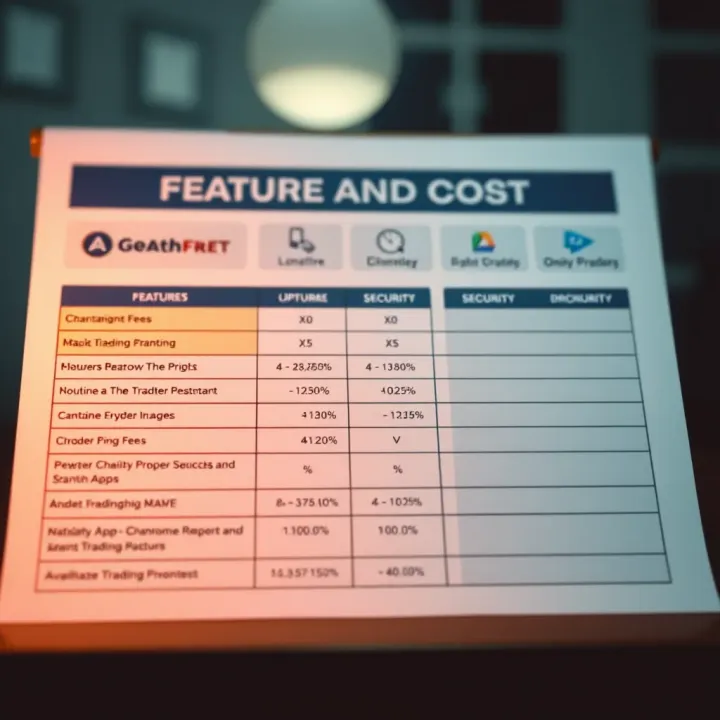
🔍 Discover how to pick the best trading app in India by comparing features, fees, security & tools. Perfect for new & experienced investors! 📈
📈 Explore top trading apps for Indian investors with low funds. Learn key tips and compare platforms to start investing smartly with minimal capital today!
Based on 14 reviews