

Mobile Trading Apps in India: Features & Benefits
📱 Discover top mobile trading apps in India—features, benefits, security, and tips to pick the ideal platform for smarter investments.
Edited By
Oliver Bennett
Mobile trading apps have dramatically changed how people in India interact with financial markets. No longer do you need to be stuck in front of a desktop or call your broker to buy or sell stocks. These apps bring the stock exchange right into your pocket, letting you trade anytime, anywhere.
For anyone dabbling in stocks, mutual funds, or currencies, understanding these apps is not just a nice-to-have but a necessity. They come packed with features designed to make trading faster, easier, and often cheaper. But, not all apps are created equal – knowing what makes a good app, the benefits it offers, and what to watch out for is key before you commit your hard-earned money.
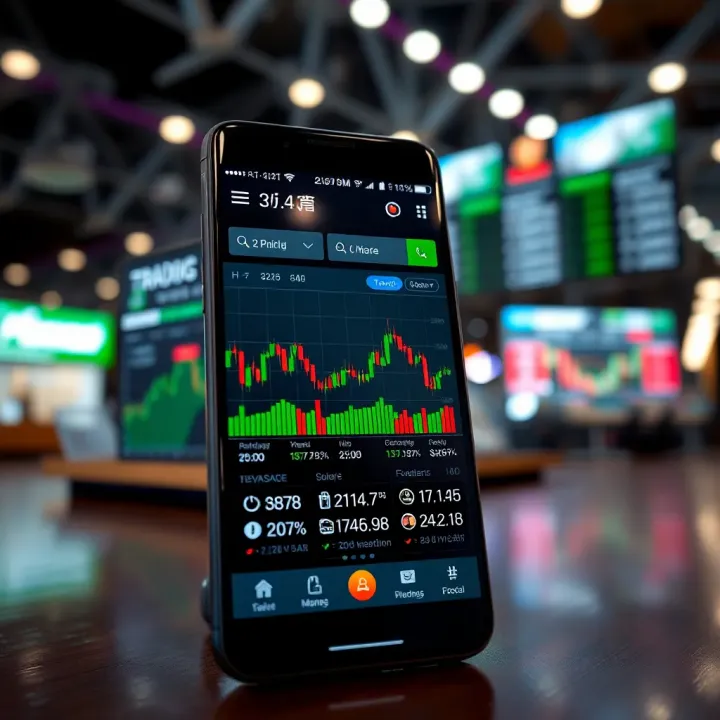
This article is a straightforward guide to the ins and outs of mobile trading apps in India. We’ll touch upon the essential features to look for, the perks of using these apps, important security considerations, and practical tips on picking the right platform tailored to your trading style and needs.
Remember, while these apps provide convenience, they also demand awareness and a cautious approach to avoid common pitfalls.
By the end of this read, you’ll have a firmer grip on how to leverage mobile trading apps confidently and safely in the Indian market.
Mobile trading apps have reshaped the way investors, traders, and even beginners access financial markets. At their core, these apps serve as portable gateways to buying and selling stocks, commodities, mutual funds, and other assets without the need for bulky desktops or complicated software setups. This convenience means you can keep an eye on the markets or adjust your portfolio on your way to work or during a quick coffee break — something that wasn’t really feasible a decade ago.
Understanding what mobile trading apps do, their purpose, and how they've evolved is crucial if you want to navigate digital trading effectively. Whether you’re a seasoned investor or just starting out, knowing these basics will help you pick tools that fit your trading style and avoid pitfalls.
Mobile trading apps are software applications designed for smartphones and tablets that allow users to conduct financial trades and manage investments directly. They provide features like real-time market data, order execution, portfolio monitoring, and access to research all in one place. Platforms such as Zerodha's Kite or Angel Broking’s app offer intuitive interfaces that bring the whole stock market to your fingertips.
The main purpose is pretty straightforward: enable quick, easy, and on-the-go trading without needing complicated hardware. You get instant notifications about price changes, can place orders instantly, and track your investments anytime from anywhere — a massive step ahead of traditional offline or desktop-only trading.
Unlike traditional platforms which often require a desktop or laptop, mobile trading apps emphasize portability and real-time interaction. They sacrifice little in function while making up for the ability to trade anytime, even during unexpected market shifts. Traditional software might offer more extensive charting tools or research databases, but you miss out on the flexibility.
Also, mobile apps usually feature streamlined interfaces focused on usability, whereas desktop platforms may overwhelm users with complex layouts. For example, a veteran trader using MetaTrader on PC might appreciate detailed indicators, but casual traders benefit more from the simplicity and speed of a mobile app like Upstox.
Pro Tip: It’s essential to check if the mobile app syncs well with its web or desktop counterpart to ensure a smooth experience across devices.
Mobile trading owes much to the evolution of smartphones and faster internet connections. Back in the early 2000s, mobile trades were clunky or simply non-existent. As 3G advanced to 4G and beyond, apps began harnessing real-time data, making instant order execution practical.
Brokers like ICICI Direct and HDFC Securities were among the pioneers in India adapting trading to mobiles, offering basic buy/sell options and portfolio tracking. Today, newcomers like Groww and Zerodha provide feature-rich apps supporting derivatives trading, mutual funds, IPOs, and nifty alerts. The upgrade to 5G will further push these boundaries with near-zero lag in order placement.
With easy access, traders have become more active but also more vulnerable to impulsive decisions. Being able to place trades within seconds means people react quickly to market buzz, sometimes without thorough analysis.
This shift means education and discipline need to keep pace. Many traders now set automatic alerts or limits within apps to prevent overtrading or emotional moves. For instance, using stop-loss orders directly from an app can help control risk even if you’re rushing around.
The shift to mobile trading has also broadened participation. New investors from smaller cities with limited access to brokerages can now dip toes into stock markets with just a smartphone.
Mobile trading apps are not just tools; they’ve changed the very rhythm of how trading happens, bringing markets closer but also demanding smarter use.
Mobile trading apps pack a lot of important features that make trading on a smartphone both practical and efficient. These features are the backbone of a good app, helping users manage trades quickly and with confidence. Without them, traders might feel like they're steering a ship without a compass, especially in fast-moving markets.
Let’s break down the key features to understand what they bring to the table and how they can impact your trading.
A trading app’s ease of navigation is more than just its looks—it’s about how fast and smoothly you can find what you need. When you’re trying to act on a market move, fumbling through confusing menus can cost you valuable time and money. Good apps like Zerodha Kite or Groww keep their menus simple and intuitive, ensuring traders can place orders or check market data in a few taps. Think of it as having a neatly organized toolbox—when things heat up, you just reach for the right tool instantly.
Customization lets you tweak the app to fit your trading style. This might mean setting up dashboards to show only the stocks or currencies you care about or choosing chart types and timeframes that suit your analysis. Apps like Upstox offer widgets and watchlists that traders can tailor, cutting down noise and focusing on what matters most. Such personalization improves efficiency and reduces the cognitive load, which is a boon in markets where seconds can change everything.
A wide variety of tradable assets broadens your opportunities. Most Indian trading apps provide access to stocks, commodities, currencies (forex), mutual funds, and derivatives like futures and options. For example, Angel One offers a broad spectrum of instruments. Having such variety in your pocket means you can diversify or focus on niche markets, all while you’re on the move.
Markets change by the second, so real-time quotes aren’t just luxury—they’re a must. When you get delayed data, you might see old prices, leading to poor decisions. Mobile apps integrate live feeds to keep you updated, pushing instant alerts for price changes or news. Consider this akin to having a real-time GPS that reroutes you immediately when traffic jams appear, allowing you to adjust your trade plans on the fly.
Different market situations call for different order types. Beyond the basic market orders, many apps now support limit orders, stop-loss orders, and even bracket orders. These help you automate trades and manage risk. For instance, in Zerodha Kite, you can place a limit order that only executes at your chosen price, preventing unexpected slippage, especially during volatile sessions.
When markets are moving fast, speed matters—a lot. An app may have all the bells and whistles but if it lags or fails to execute on time, it’s of no use. Trusted apps maintain fast servers and optimized data paths to ensure orders go through immediately. Some apps also allow you to check order status in real-time, so you’re never left wondering if your trade went through.
Keeping an eye on your investments is crucial, and mobile trading apps make it easy to monitor portfolio performance, asset allocation, and profit/loss at a glance. Real-time portfolio tracking tools help you spot trends or red flags right on your phone. Apps like 5Paisa display your portfolio in clear graphs and summaries, saving you from opening multiple windows or Excel sheets.
A good app isn't just a place to trade; it's also a mini research hub. Many apps offer charts laden with technical indicators, news bulletins, market analysis, and stock screening tools. This means you can back your decisions with data, whether it’s checking RSI on a stock or scanning for stocks fitting your criteria without switching devices.
In short, these key features shape the whole trading experience on mobile. They help you stay connected, informed, and in control even when on the go. Choosing an app that nails these features can make all the difference between a frustrating trade and a smooth one.
Mobile trading apps offer a lot more than just quick transactions. Their strengths go beyond convenience — they reshape how investors approach the markets with more control, cost savings, and speed. Understanding these advantages helps traders make the most of what mobile platforms provide, especially in a fast-moving environment like India’s financial markets.
One big draw of mobile trading apps is that they let you trade no matter where you are. Imagine you're at a coffee shop or stuck on a local train; you can still jump on your app and react to market moves. This freedom is a game changer compared to traditional setups where you had to be at a desktop or call a broker. Apps from platforms like Zerodha Kite or Groww are designed with this in mind — lightweight, fast, and easy to use on small screens.
This kind of flexibility means you won’t miss out on opportunities just because you're not at your desk. Plus, it fits well with the busy lives Indians lead today.
Another key plus is instant updates on stock prices, news, and analysis. Mobile apps constantly stream real-time data, so you don’t have to wait for a morning newspaper or daily report. For example, ICICI Direct’s app sends you immediate updates when your favorite stocks gain or drop. This rapid flow of information lets investors make decisions on the spot based on the latest insights rather than outdated news.
Getting market updates on your phone ensures you stay in the loop and respond before prices swing too far.
Trading through apps often means lower charges compared to traditional stockbrokers. For instance, many Indian brokers like Angel Broking and Upstox offer flat fees or zero brokerage on certain trades via mobile apps. This cuts down your costs significantly over time, especially if you trade frequently or in smaller amounts.
These savings can add up, helping traders keep more of their profits rather than paying hefty commissions.
By using mobile apps, investors connect directly to the market, reducing reliance on middlemen. The apps handle order placements, confirmations, and settlements efficiently without taking up unnecessary layers like phone brokers or agents. This not only trims costs but speeds up the entire trading cycle.
Additionally, many apps provide comprehensive services — research, portfolio tracking, and customer support — right on your phone, so you don’t have to juggle multiple sources or people.
Mobile trading apps are smart at keeping you posted with alerts tailored to your preferences. Say you set an alert on Reliance Industries crossing a target price; the app like 5paisa will ping you instantly. These timely cues help you jump on opportunities or cut losses quickly without constantly monitoring the market.
Beyond price alerts, apps notify you of market events — dividends, earnings results, or regulatory updates — as they happen. Timely info like this can sway a trader’s move, so having it right in your pocket means never falling behind.
By staying informed through instant notifications, traders can act decisively and confidently, turning market shifts into chances rather than risks.
In summary, mobile trading apps bring the stock market to your fingertips anytime, anywhere, at a lower cost, and with lightning speed on decision-making. For Indian investors looking to stay nimble and well-informed, these apps aren't just tools; they're essential companions in today’s markets.
When getting into mobile trading, it’s easy to get caught up in the convenience and speed these apps offer. However, they also come with a set of risks and challenges that every trader should be aware of. Understanding these issues is critical because they can directly affect your trading outcomes and financial security. From technical hiccups to security threats and emotional pitfalls, knowing these dangers upfront helps in making smarter, safer decisions.
Data breaches are a serious problem in mobile trading. When hackers manage to access sensitive information like personal details, passwords, or financial data, it can lead to identity theft or unauthorized transactions. For instance, back in 2020, several users of a popular Indian trading app reported suspicious withdrawals after their credentials got leaked. To minimize this risk, always use apps with strong encryption and two-factor authentication. Also, be cautious about using public Wi-Fi networks for trading since they are more vulnerable to attacks.
Fraudulent schemes and phishing attacks are rampant in the trading world. Fake apps or messages pretending to be from your brokerage can trick you into revealing passwords or transferring money to scammers. For example, some fraudsters send SMS or emails alerting users about "urgent account issues," urging them to click on links that lead to fake login pages. To protect yourself, never click on suspicious links, verify the source before sharing personal info, and download apps only from official stores like Google Play or Apple App Store.
No app is perfect, and crashes or glitches can occur, especially during high market volatility when server loads spike. Imagine trying to place a trade for an in-demand stock, and suddenly the app freezes or crashes. This could cause lost opportunities or worse, unintended trades. To avoid surprises, keep your app updated, clear cache regularly, and have a backup plan, such as access to a web-based platform or a calling option to your broker.
A shaky internet connection can kill your trading momentum. Delays in order execution caused by poor connectivity might mean missing favorable price levels or ending up with slippage. It's especially common in remote or rural areas in India where mobile networks might be unreliable. Trading during peak traffic hours can also add lag. Traders should check their network before trading, consider using both Wi-Fi and mobile data, and have alerts for network downtime.
Mobile trading apps put the markets at your fingertips 24/7, which can be tempting but also dangerous. The ease of access can lead to frequent checking and impulsive decisions, sometimes driven by emotions rather than solid analysis. Traders new and experienced alike might find themselves panicking during dips or chasing quick gains, which often leads to losses.
One effective way to avoid impulsive trades is setting predefined limits and sticking to a trading plan. For example, decide your maximum daily loss beforehand or set alerts that remind you to pause trading after a certain number of transactions. Using app features like stop-loss orders and price alerts can also help curb rash decisions. Remember, discipline trumps speed when it comes to long-term success.
Being aware of these risks doesn't mean you should avoid mobile trading altogether. Instead, it lets you prepare and act smartly to keep your investments safe and your trading experience smooth and enjoyable.
By keeping security, technical, and emotional factors in check, investors can better navigate the complexities of mobile trading and avoid common pitfalls that many fall into.
Picking the right mobile trading app isn't just about flashy features or a slick interface. It’s about choosing a platform that fits your trading style, protects your money, and doesn’t sneak in unexpected costs. For traders and investors, especially in India where mobile trading is booming, understanding what sets one app apart from another can save headaches down the line.
Before you download and start trading, it pays to check a few important factors that affect your overall experience and security. For instance, you don’t want to deal with slow apps during volatile market moments or get stuck without proper help when issues arise. Let’s break down the key points you should keep an eye on.
When choosing a trading app, see if the software is backed by a licensed broker or firm recognized by the Securities and Exchange Board of India (SEBI). This is crucial because a regulated platform is required to follow strict rules meant to protect investors’ interests. Imagine trusting your savings with an unknown entity – it’s a gamble you don’t want to take. Popular brokers like Zerodha, Upstox, and ICICI Direct all maintain licenses and comply with SEBI regulations, giving users peace of mind.
A licensed firm must show transparency in their operations and maintain sufficient capital reserves to manage client funds safely. Checking for these credentials prevents exposure to scams or untrustworthy apps. Always verify through official SEBI listings before committing to any platform.
How the app handles your money and information is another biggie. Good trading apps keep client funds in separate bank accounts, ensuring your investments are protected even if the company hits trouble. They should openly disclose where your money goes and provide easy-to-understand reports on your transactions and fees.
Transparency also means straightforward app policies. You should be able to access terms of service without needing a legal dictionary to decode them. For example, apps like Groww and Angel Broking publish clear statements on fund handling and data privacy, which builds trust. Before downloading, check reviews or complaints around fund withdrawals, which can sometimes reveal hidden issues.
Commissions can eat into your profits if you’re not careful. Each brokerage sets different rates, often tiered by trade volume or asset type. Some apps advertise zero brokerage on equity delivery trades but may charge for intraday or options trades.
Understanding the exact commission structure lets you calculate your costs ahead of time. For example, Zerodha offers flat ₹20 per order or 0.03%, whichever is lower, for intraday trades. If your chosen app’s rates are unclear or inconsistent, you might want to reconsider.
Watch out for fees that don’t appear upfront: maintenance charges, withdrawal fees, or even app service charges for using premium features. These can add up and surprise you later. A good example is the demat account AMC (Annual Maintenance Charge). While the trading app may be free, your demat account might incur yearly fees.
Always read the fine print and check for any recurring or unexpected fees. If support is hesitant to clarify charges or if Terms and Conditions are vague, it’s a red flag. Transparency here saves you from nasty billing shocks.
Market doesn’t wait and neither should your support team. A dependable app comes with multiple ways to get assistance — phone, chat, email, or even in-app help desks. Timely support is crucial if you face glitches or need clarifications during trading hours.
Check if the app offers 24/7 customer service or at least support during market hours. Apps like 5paisa and Kotak Securities provide fairly quick support with chat functions and dedicated call centers that can make the difference when every second counts.
Not everyone is born a trading wiz. Apps that offer tutorials, webinars, or articles help sharpen your skills and reduce costly mistakes. If you’re new to trading stocks, an app like Angel Broking stands out with regular learning sessions and easy guides.
Educational resources also help users navigate complex instruments like derivatives or mutual funds confidently. When choosing your app, peek at the quality and quantity of educational content — it’s an investment into your trading journey.
Your trading app needs to play nice with your phone or tablet. Check if the app supports your device’s operating system — Android or iOS — and whether specific versions are required. An outdated app might not just slow you down but could also lack critical security updates.
For example, Zerodha’s Kite app supports most Android versions above 7.0 and iOS 12 or later, covering a wide range of devices in the Indian market. If you hold an older phone, you might want to verify compatibility before downloading.
Keeping apps updated is more than just a suggestion: it's essential for security and performance. Developers regularly fix bugs, introduce new features, and patch vulnerabilities. A well-maintained trading app gives you confidence that it won’t suddenly fail during trades or expose your data.
Look for apps that update frequently and communicate changes clearly. Users often flag apps with flaky updates or long gaps between releases, which can be a warning sign. Make sure automatic updates are enabled on your device to avoid running an outdated version.
Remember: Selecting a mobile trading app is not a one-time decision but an ongoing process where factors like regulation, fees, support, and technical compatibility play key roles. Prioritize apps that balance usability with trust and transparency to get the best trading experience.
Considering these factors carefully puts you in control, helping you trade smarter and safer in fast-moving markets. Don't rush; take your time to compare apps head-to-head to see which one ticks your boxes the best.
Mobile trading apps have become deeply embedded in the Indian financial ecosystem, reshaping how investors and traders engage with the stock market and other asset classes. Their popularity stems from India’s fast-growing smartphone penetration and increasing internet accessibility, which together create a fertile ground for mobile-based investment activity.
These apps offer Indian users the flexibility to trade on exchanges like the NSE and BSE without being confined to desktops or brokers’ offices. For a busy professional in Mumbai or a student in Jaipur, mobile trading means they can act instantly on market movements, seize opportunities during peak volatility, or manage their portfolios while commuting. This accessibility and immediacy empower a wider demographic to participate actively in market trading, contributing to the democratization of investing in India.
Besides convenience, mobile trading apps cater to the unique needs of Indian investors by offering localized features such as support in multiple Indian languages, integrated banking options like UPI for quick fund transfers, and detailed insights into domestic companies and government regulations. These adaptations enhance usability and relevance for Indian users, making mobile apps a natural extension of India’s broader fintech boom.
Top trading apps in India stand out by combining usability with powerful functionality. Zerodha’s Kite app, for example, is widely appreciated for its clean interface and advanced charting options, making technical analysis easier for traders. Upstox delivers competitive brokerage fees and quick order execution, attracting cost-conscious investors who value speed.
Other apps like Groww and Angel One invest heavily in research and educational content, helping new traders get up to speed with market basics and strategies. Features such as seamless integration with bank accounts, instant payment options via IMPS or UPI, and two-factor authentication for security also give these apps an edge. What truly separates the leaders is how well they balance being user-friendly for novices yet robust enough for serious traders.
Before committing to a mobile trading app, many Indian users turn to app stores and online forums for insights. Consistently, apps like Zerodha’s Kite and Upstox feature high ratings due to their reliability, customer service, and minimal downtime during crucial market hours.
User feedback often highlights the ease of navigation, fast trade execution, and clear transparency in fee structures. Negative reviews tend to focus on occasional glitches, slow customer response during peak times, or difficulties in withdrawing funds. Paying attention to these reviews helps potential users weigh pros and cons beyond official descriptions and makes an informed choice tailored to their trading style and priorities.
The Securities and Exchange Board of India (SEBI) plays an active and vital role in overseeing mobile trading platforms. SEBI’s main goal is to ensure a fair, transparent, and investor-friendly market environment. It mandates licensing requirements for brokers and trading apps, enforcing minimum capital norms and compliance checks to prevent malpractices.
For app users, SEBI regulations mean mandatory KYC procedures, protection against insider trading, and enforced disclosures related to fees and risks. The watchdog’s vigilance helps maintain confidence among traders, assuring them that the platforms are monitored and held to high standards.
Alongside regulation, there are targeted investor protection mechanisms in India. The Investor Protection Fund (IPF), managed under SEBI’s framework, safeguards client funds and securities if a broker defaults. This safety net encourages retail participation, knowing funds have an extra layer of security.
Furthermore, SEBI has introduced guidelines requiring apps to provide clear risk warnings, regular audit trails, and dispute resolution channels. Several apps now incorporate features like instantaneous transaction confirmations and audit logs to enhance transparency.
Awareness of these regulatory and protection measures isn't just bureaucratic jargon; it directly impacts the security and trustworthiness of your trading experience.
Together, these frameworks create a safer trading environment for Indian investors, making mobile trading not just convenient but also reliable and secure.
Trading on mobile apps has changed the game for many, offering the freedom to trade anywhere. But with that ease comes the need for a solid strategy. Effective mobile trading isn't just about quick taps; it’s about smart moves, knowing your limits, and making the most of the tools at your fingertips. Whether you’re a newbie or a seasoned trader, these tips can help keep your trading sharp and your risks in check.
Having a clear trading plan is like having a roadmap. Without one, it’s easy to get lost in the heat of the moment.
Setting goals and limits helps keep your expectations realistic. For example, decide beforehand how much profit you're aiming for on a particular trade and at what point you’ll cut losses. It could be setting a target to earn 5% on a stock within a week, or limiting loss to no more than 2% on a slip. This method prevents you from chasing trades endlessly or holding onto stocks longer than necessary.
Risk management strategies are just as important. This means knowing not only where to stop loss but also how much of your total capital you’re willing to risk on a single trade—say, no more than 1-2%. Tools like stop-loss orders can automatically sell a stock when it hits a certain price, which is a practical way to keep emotions out of tough decisions. Managing risk isn’t about avoiding losses totally, but about limiting them so they don’t hurt your overall portfolio.
Mobile trading apps come packed with features designed to give you an edge, but only if you know where to look.
Leveraging alerts and analytical tools keeps you informed without staring at your phone all day. Setting price alerts means you get notified when a stock hits your target price or drops below a critical level. Many apps, like Zerodha Kite or Upstox, also offer built-in charting and heatmaps making it easier to spot trends and volumes on the go.
Keeping track of trade history helps you learn from past actions. Mobile apps often let you view detailed reports on your executed trades. This data is gold—it can show which stocks performed well, which strategies worked, and which didn’t. For instance, reviewing your past trades might reveal a tendency to rush into volatile stocks. Understanding this helps you fine-tune your approach.
Even experienced traders slip up, especially on mobile platforms where ease of access can tempt quick decisions.
Overtrading is one of the biggest pitfalls. When trading is just a tap away, it’s tempting to jump in too often, which can rack up fees and taxes while eating into your profits. Try setting daily or weekly limits on the number of trades, and remind yourself that not every market move demands a reaction.
Ignoring security precautions can lead to serious trouble. Mobile apps can be vulnerable to hacking or phishing scams if you're not careful. Always use strong, unique passwords, enable two-factor authentication if available, and avoid trading on public Wi-Fi. Regularly updating your app helps patch security flaws. Take the time to verify messages and alerts on your app before acting on any unusual activity.
Smart mobile trading balances quick response with calculated decisions and security awareness. Make a habit of planning trades, using all available tools wisely, and keeping an eye on your mistakes to grow as a trader.
By incorporating these tips into your mobile trading routine, you’re better positioned to navigate the ups and downs of the market with confidence and control.
Mobile trading apps have made investing more accessible than ever, but the story doesn't end here. The future of mobile trading is about adapting to fast-changing technology and evolving user needs. Staying ahead in this space means apps will become smarter, quicker, and more personalized, helping traders make better decisions and act faster in markets that move at breakneck speed.
Artificial intelligence is steadily reshaping how we trade on mobiles. AI-powered features can analyze vast amounts of data far quicker than any human, spotting trends and patterns to suggest trades or alert investors to opportunities. For example, Zerodha's Kite app uses AI for market analysis and automated trading signals, making it easier for both beginners and seasoned traders to stay informed without drowning in data.
Automation also plays a big role by executing trades based on preset criteria, cutting down the need for constant manual input. This not only saves time but also helps in managing emotions — it’s easier to stick to a plan when a bot performs the trade rather than a jittery human.
Wearables like smartwatches are becoming part of the trader’s toolkit. Imagine getting a sharp price alert or a trade confirmation right on your wrist while you’re stuck in traffic or at a meeting without needing to pull out your phone. Apps like Upstox and Groww are exploring ways to sync with wearables, offering features like glanceable market updates and voice-activated commands.
This hands-free interaction means traders can monitor markets and react on the fly, reducing the risk of missing critical moves. As wearable tech advances, expect deeper integrations where physical activity, sleep patterns, and other personal data could even inform trading strategies.
In today's markets, speed can make or break a trade. Traders want their orders executed in milliseconds to avoid slippage or missed opportunities. Mobile apps are continually improving backend infrastructure to cut down latency and boost reliability. Platforms like ICICI Direct and HDFC Securities have invested heavily in high-performance servers and low-latency data feeds to meet these expectations.
Faster execution means traders can capitalize on sudden price movements immediately, ensuring better entry and exit points. This is especially critical for day traders and those involved in high-frequency trading.
No two traders are the same, and the future reflects this by offering apps that tailor themselves to individual preferences and trading styles. Mobile apps now use data about your trading habits to customize dashboards, suggest relevant news, or even adjust risk alerts.
For instance, Angel Broking’s mobile platform personalizes news feeds and educational content based on the user’s portfolio and past activity. This kind of customization helps traders focus on what matters most to them, cutting through noise and boosting efficiency.
As mobile trading gets smarter and faster, the key is for apps to stay user-friendly and responsive, giving traders the tools they need exactly when they need them.
The future of mobile trading is promising, combining technological advances with a clear understanding of what investors actually want. For traders and investors in India and beyond, keeping an eye on these developments ensures they don’t get left behind in the fast-moving world of finance.
📱 Discover top mobile trading apps in India—features, benefits, security, and tips to pick the ideal platform for smarter investments.
🚀 Dive into intraday trading in India: learn key concepts, tools, proven strategies, risks, and regulatory tips to trade smartly within a day!
Explore top online trading apps in India 📱 Compare features, security, costs, and ease of use to pick the best platform for stocks & commodities trading.

📈 Explore India's most trusted trading apps with insights on security, costs, user ratings & tech support—pick the best platform for your trades today!
Based on 14 reviews