
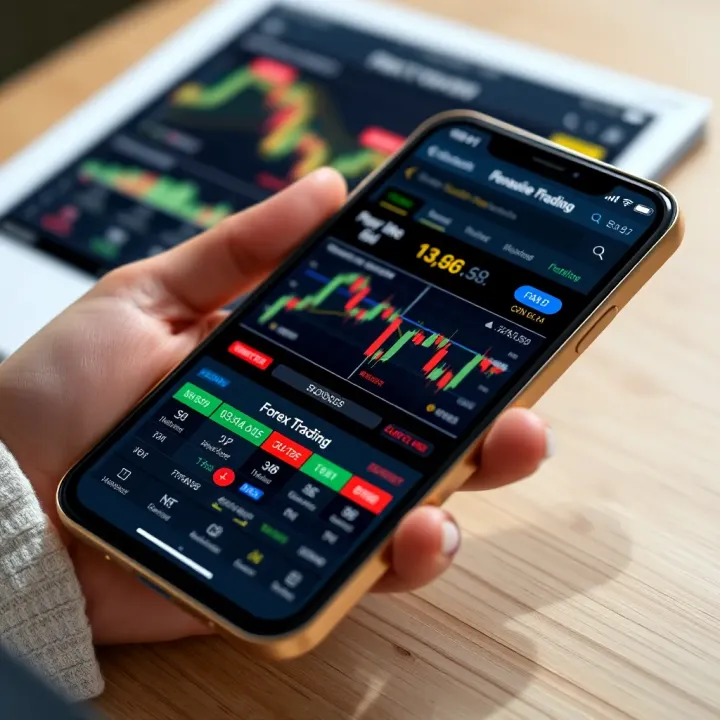
Best Forex Trading Apps in India 2024
Explore the best forex trading apps in India 📱 comparing features, usability, and regulation compliance to help you trade securely with ease and confidence.
Edited By
Henry Collins
Choosing the right application for forex trading can make a significant difference to your investment strategy and returns. With multiple options available, each with its own features, costs, and level of complexity, it’s necessary to understand what works best for your trading style and requirements.
Forex trading apps vary widely, especially for Indian traders, because the platform must align with regulations from the Securities and Exchange Board of India (SEBI) and support payment methods common in India such as UPI and net banking. A clunky app with frequent downtime or unreliable data feeds can cost you dearly in a fast-moving forex market.

Here are some key factors to keep in mind when selecting a forex trading application:
Usability: The app should offer an intuitive interface with quick access to charts, indicators, and order execution. Complex navigation wastes valuable trading time.
Security: Look for apps with two-factor authentication, encryption, and clear privacy policies. Given the increase in cyber threats, your funds and personal information must be secure.
Cost-Effective Pricing: Brokerage fees, spreads, and withdrawal charges vary between apps. Lower costs can compound into higher net profits, especially for active traders.
Platform Stability: High uptime and fast order processing reduce slippage and missed trading opportunities. Check user reviews for reliability, especially during high-volatility events.
Compatibility and Localisation: Ensure the app supports Indian payment systems and complies with local trading regulations. Some global apps may not offer INR-based accounts or seamless fund transfers.
Selecting a forex trading app is not just about flashy features. It's about trust, speed, and cost-effectiveness that suit your trading needs.
Examples like MetaTrader 4 and 5 remain popular due to robust analysis tools, while apps like Zerodha and Upstox have gained ground for their Indian market focus and integrated features. Understanding these aspects helps you narrow down choices for a trading app that smooths your path rather than complicates it.
In the sections ahead, we will examine how to evaluate these factors practically and highlight some applications that fit the Indian forex trading environment well.
Choosing the right forex trading app depends heavily on its features. These features directly impact your trading efficiency, security, and overall experience. Let’s explore what you should check before deciding on an application.
Intuitive design and navigation are essential for smooth trading. A cluttered or confusing interface can cause missed trading opportunities, especially when markets move fast. For example, an app with clear tabs for charting, orders, and account info helps you react quickly without hunting through menus.
Customisation options let you shape the app to your needs. You might want to set favourite currency pairs on the dashboard or arrange chart indicators the way you prefer. Being able to personalise shortcuts or colour schemes can improve focus and reduce fatigue during long trading sessions.
Mobile and desktop compatibility matters since traders often switch devices. A seamless experience across your smartphone and laptop means you won’t miss alerts or crucial trades. For instance, an app that syncs watchlists and open positions instantly keeps your workflow consistent whether at home or on the move.
Data protection and encryption guard your sensitive information. With cyber threats on the rise, choose apps that use strong encryption protocols (like AES-256) to secure data transmission and storage. This prevents hackers from intercepting details such as passwords or banking info.
Obtaining licences from Indian and international authorities ensures legitimacy. Apps regulated by bodies like the Securities and Exchange Board of India (SEBI) or the Financial Conduct Authority (FCA) offer better safety. These licences confirm the app complies with rules designed to protect investors and maintain market integrity.
User authentication methods add another layer of security. Features like two-factor authentication (2FA), biometric logins (fingerprint or face recognition), and OTP (one-time password) verification minimise unauthorised access. Without these, your account could be vulnerable if your password leaks.
Real-time data and charting provide an edge in decision-making. Forex markets move every second, so apps must offer live quotes and charts without delays. Many apps allow customisable charts with technical indicators such as MACD or RSI, helping you spot trends quickly.
Automated trading and signals help traders who prefer algorithmic strategies or need timely alerts. For instance, setting automated stop-loss orders prevents bigger losses by exiting trades at pre-set levels. Signal providers within apps can notify when specific currency pairs reach key levels.
The range of currency pairs available influences your trading options. While major pairs like USD/INR or EUR/USD attract most traders, having access to exotic or minor pairs opens new opportunities. Make sure the app supports at least 40-50 forex pairs to diversify your trades.
Commission and spreads directly affect your bottom line. Many apps add a spread—the difference between buying and selling prices—as their main charge. Some also take a fixed commission per trade. Carefully compare these costs, since wide spreads or high commissions erode profits, especially in frequent trading.
Deposit and withdrawal charges matter for managing your funds. Some apps levy fees during deposits or withdrawals, particularly with international payment methods. Indian traders should prefer apps supporting UPI, NEFT, or IMPS with minimal or no charges to keep costs down.
Watch for hidden fees such as inactivity charges, swap/rollover fees for overnight positions, or fees on demo account transitions. Transparent apps display all costs upfront; avoid those that sneak in unexpected deductions.
Selecting a forex trading app is not just about features, but how these features align with your trading goals and habits. Paying attention to interface, security, tools, and fees ensures you pick an app that helps rather than hinders your trading efforts.
This careful evaluation helps you trade confidently in India’s vibrant forex market.
Choosing the right forex trading app matters a lot for Indian traders because it affects everything from ease of use to compliance with local rules. Popular apps have already proven their worth among users, indicating reliability and usability. They often include features tailored specifically for India's trading landscape, including local payment integration and customer support.
Apps regulated by Indian authorities like the Securities and Exchange Board of India (SEBI) come with features tailored to Indian users. These apps usually offer trading in currency pairs aligned with Reserve Bank of India (RBI) regulations, ensuring legal compliance and ease in reporting. For instance, some platforms provide access to cross-currency pairs involving the Indian Rupee (INR), which is crucial for domestic traders focusing on local currency movements.
Seamless integration with Indian banks and payment gateways like UPI, net banking, or IMPS plays a big role in smooth deposits and withdrawals. Apps connected with major banks such as SBI, HDFC, or ICICI offer faster fund transfers without extra charges or delays. This convenience removes bottlenecks during trading, especially when instant fund availability can mean the difference between profit and loss.
Having customer support based in India means users can get help during the Indian trading hours and in familiar languages. When traders face technical glitches or need clarifications about regulatory matters, local support teams provide quicker and more culturally relevant solutions. Apps offering multilingual support and dedicated helplines enhance trader confidence and reduce downtime.
International apps open doors to a wider range of currency pairs beyond INR crosses. This allows Indian traders to explore opportunities in major currencies such as the US Dollar, Euro, Japanese Yen, or emerging market currencies. Wider coverage helps diversify trading strategies and tap into global market movements with ease.
Top global forex apps often include sophisticated tools like algorithmic trading, advanced charting, and customisable indicators. These features cater to professional traders who need more than basic functions. For example, MetaTrader 4 and 5, popular worldwide, offer automated trading through Expert Advisors (EAs) which Indian traders can use for systematic strategies.
Checking user feedback and expert reviews can reveal how these apps perform in real-world conditions, especially under heavy market volatility. Indian traders tend to value apps with high ratings for stability, ease of use, and customer service. Reading through user experiences helps avoid pitfalls like hidden fees or frequent downtime.
A popular forex app in India isn’t just about flashy features; it must factor in legal compliance, local payments, and reliable support. Choosing wisely helps traders protect their capital and focus on smart trading instead of technical hassles.
Evaluating the reliability and performance of forex trading applications is essential before committing your capital. An app that crashes or slows down at critical moments can cost you dearly in volatile forex markets. Traders, analysts, and investors must focus not just on features, but on how consistently the app performs under pressure and its track record of uptime.
Uninterrupted trading is necessary in forex because the market runs 24/5, with rapid price changes demanding timely decisions. Even a brief downtime during crucial market movements can lead to missed opportunities or unfortunate trades. For example, if an app fails to execute a stop-loss order on time, a trader might face larger losses than expected.
To assess stability, users can look for documented downtime records or uptime guarantees offered by the app providers. Many reputed forex apps publish their uptime metrics or maintain a status page. These records tell you how often and for how long the app has been offline due to maintenance or unexpected failures, which impacts your ability to trade seamlessly.
Various third-party websites monitor app availability and provide uptime data, which helps verify claims made by trading platforms. Monitoring services like Pingdom or UptimeRobot can occasionally cover forex web applications. User communities and discussion forums also provide insights about persistent performance problems.
Additionally, reviews on app stores often mention stability issues or smooth performance, helping users form realistic expectations. Comparing data from multiple sources reduces bias and uncovers hidden reliability concerns that might otherwise go unnoticed.
Balancing user reviews with professional assessments gives a fuller picture of an app’s real-world performance. While user reviews highlight day-to-day experiences and complaints, expert analysts evaluate app features, technical architecture, and compliance with Indian financial regulations.
Experts might conduct stress tests or review how well apps integrate with banking infrastructure in India. Meanwhile, users can reveal issues like sudden crashes, slowness during peak hours, or poor customer support responsiveness, which may not appear in official reviews.
Frequent complaints often include latency in order execution, frequent disconnections, or errors during deposits and withdrawals. Indian traders may also face difficulties integrating apps with local payment methods or complying with Know Your Customer (KYC) norms.
Price slippage and hidden charges connected with poor app performance are other points raised by traders. Recognising these common problems beforehand allows you to consider alternative apps or prepare mitigation strategies, such as maintaining multiple trading platforms for backup.
Choosing a forex app goes beyond well-designed features; its real worth lies in consistent performance, minimal downtime, and trustworthy trading execution — factors critical to protect your investments and profit opportunities.
By carefully analysing uptime data and honest feedback from both users and experts, you are far better placed to select a forex trading app that supports your trading goals reliably.
Choosing the right forex trading application can greatly enhance your trading efficiency and decision-making. An app that offers risk management features, timely alerts, and educational resources helps traders stay ahead in the volatile forex market. Such tools not only reduce exposure to losses but also build trader confidence through continual learning and practice.
Effective risk management is a foundation of successful forex trading. Many apps come with built-in stop-loss and take-profit tools that automatically close trades once a preset price level is hit. For example, if you buy the USD/INR hoping it will rise, a stop-loss order ensures you exit the trade if the price drops past your limit, helping limit your losses. Conversely, take-profit orders lock in gains by selling automatically when your target price is reached. These features are especially useful in a market as fast-moving as forex, where prices can swing quickly during volatile sessions.
Custom notifications for market movements ensure you never miss critical price changes or news that could affect your positions. You can set alerts for specific currency pairs or economic events, which prompts immediate actions based on real-time updates. Suppose the Reserve Bank of India announces an unexpected policy move; customised alerts would notify you instantly to modify or close your trades to avoid needless losses. This proactive approach can help traders respond quickly, avoiding missed opportunities or costly mistakes.
Many forex apps now integrate learning platforms within their interface, offering tutorials, webinars, and articles tailored for various skill levels. This helps traders understand complex concepts like leverage, margin, and order types without needing to search externally. Take an app like Zerodha's smallcase or Upstox; their forex sections often feature dedicated modules that explain market trends and trading strategies relevant to Indian traders.
Practising with virtual money through demo accounts is equally invaluable. Demo modes replicate live market conditions, allowing you to test strategies without financial risk. This trial-and-error experience helps traders build comfort and refine techniques before committing real capital. For instance, if you're unsure how moving averages influence price decisions, practising on a demo account lets you observe their effect firsthand without risking money. Such hands-on experience can prevent beginner mistakes and prepare you for real trading challenges.
Risk management combined with continuous learning transforms a forex app from a simple tool into a strategic trading partner.
Selecting an app that balances these capabilities will empower you to trade smarter and more confidently in the forex markets.
Explore the best forex trading apps in India 📱 comparing features, usability, and regulation compliance to help you trade securely with ease and confidence.
Explore legal forex trading apps in India 🇮🇳! Learn trading basics, regulations, and top app features to trade safely and make informed decisions.

Explore top forex trading apps in India 📱, learn their key features, safety tips, and costs. Choose the best platform for secure, smart trading with ease.
Explore legal forex trading apps in India 🇮🇳. Learn regulations, pick authorized platforms, avoid risks, and trade safely with expert tips! 📱💹
Based on 7 reviews