
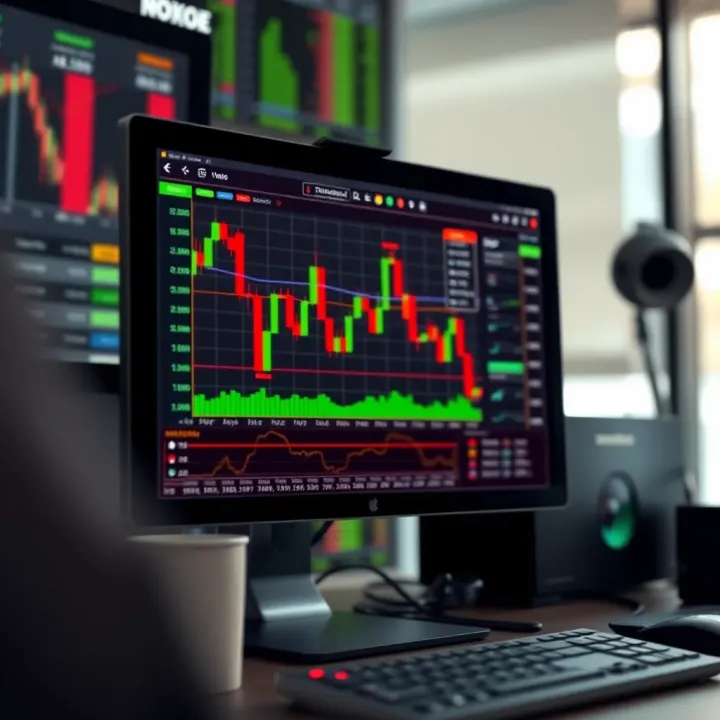
Best Site for Intraday Trading in India
Choose the best site for intraday trading in India 🚀 by comparing brokerage, tools, reliability, and user ease to boost your trading success every day 📈.
Edited By
Isabella Scott
Intraday trading means buying and selling stocks within the same trading day, aiming to profit from short-term price movements. This approach suits active traders who can monitor markets closely and take quick decisions. In India, the equity markets like NSE and BSE provide ample opportunities due to their high liquidity and volatility.
Since trades close by market hours, intraday trading demands a strong strategy to avoid losses from market swings. Successful traders in India often follow clear plans involving technical analysis, risk management, and discipline.
To succeed, it’s essential to balance swift actions with well-researched insights — impulsiveness often hurts intraday traders.
Understanding the market’s behaviour plays a key role. For example, Indian markets can react sharply to domestic events such as RBI policy announcements, GST updates, or global cues like crude oil shifts and US Fed decisions. Such factors create price swings intraday that traders can use to their advantage.
Technical indicators like Moving Averages, Relative Strength Index (RSI), and Bollinger Bands help traders spot entry and exit points. Equally important is proper money management: setting stop-loss orders limits potential losses, while target setting helps in locking profits.
Intraday trading in India also involves recognising sector trends — sectors like IT, Pharma, and Banking often move in sync with market moods. For instance, a positive quarterly result of a bank stock can create quick price surges ideal for intraday trades.
In the following sections, this article will explore the best strategies tailored for Indian traders, covering:
Market characteristics unique to India
Key technical tools and chart patterns
Practical risk management steps
Tips to enhance decision-making during trading hours
By understanding and applying these elements, you can sharpen your intraday trading performance and reduce guesswork in volatile markets. Getting the basics right first lays a strong foundation for trading confidently in India’s busy stock markets.
Grasping the basics of intraday trading in India is key to mastering this fast-paced market style. Since everything happens within a single trading day, knowing how the market operates, its timings, and the instruments commonly traded can shape your strategy and limit risks effectively.
Intraday trading means buying and selling stocks within the same trading day itself. For example, a trader might buy shares of Reliance Industries in the morning and sell them before the market closes, aiming to make a quick profit from price movements. The trader avoids the risk of overnight price swings since positions are squared off by the day’s end.
This style requires continuous monitoring and swift decisions, suitable for those with a high risk appetite and focus. Unlike investment where you hold for months or years, intraday trading lasts just a few hours but demands a solid understanding of quick market shifts.
Intraday trading differs significantly from delivery-based (positional) trading or long-term investing. Delivery traders buy stocks to hold for weeks or months, betting on fundamental growth. They can afford to wait out short-term volatility.
In contrast, intraday traders rely heavily on technical analysis, charts, and live data to predict price changes during the day. Their objective is to capitalise on volatility without exposing themselves to overnight risks. This means intraday requires rapid trade execution and strict discipline on stop-loss levels.
The Indian stock market operates from 9:15 am to 3:30 pm IST. The initial 30 minutes after opening and last hour before closing usually see the highest volatility and trading volumes. Many intraday traders focus their activity during these periods to catch bigger price swings.
Midday often sees reduced volumes and slower price action, which might not suit active day trading. Understanding these sessions helps you time entries efficiently and avoid low liquidity hours.
The National Stock Exchange (NSE) and Bombay Stock Exchange (BSE) are the two main exchanges for intraday trading in India. NSE generally enjoys higher liquidity and volume in popular stocks, especially in the Nifty 50 index.
For example, traders often prefer NSE's securities due to tighter spreads and faster order execution, improving intraday profitability. Both exchanges offer derivative instruments like futures and options, widely used in intraday strategies to manage risk or leverage positions.
Certain sectors, such as banking, IT, and energy, tend to show more intraday price movement. For instance, banks like HDFC or ICICI Bank often experience daily swings based on economic data or RBI announcements.
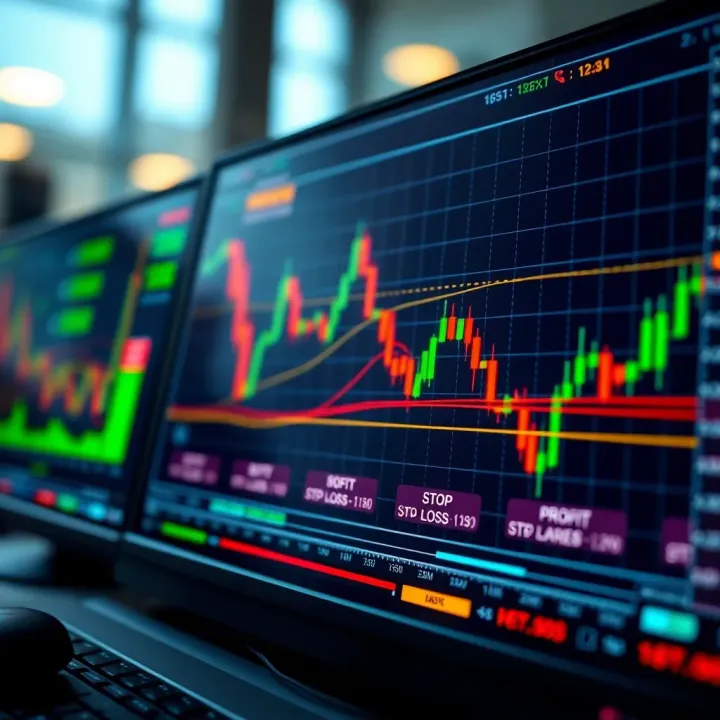
Volatility affects profit opportunities but also increases risk. Understanding sector behaviour and its relation to market news helps customise your intraday trades. Keeping an eye on corporate results or government policies is vital since these can cause sharp price jumps within hours.
Intraday trading in India thrives on sharp market understanding combined with timely decision-making. Knowing when and what to trade enhances your chance of success while controlling risk in a volatile environment.
Building a solid intraday trading strategy requires attention to several essential factors that influence daily decision-making. In India’s busy stock market, where prices can swing quickly in minutes, these factors help traders seize opportunities while keeping risks manageable. For example, choosing the right stocks and managing risks well can mean the difference between profits and sizeable losses by market close.
Liquidity is critical in intraday trading. Liquid stocks have high trading volumes, which means you can enter or exit positions quickly without facing large price gaps. For instance, shares of Reliance Industries or HDFC Bank often have millions of shares changing hands daily on the National Stock Exchange (NSE), allowing swift transactions at expected prices. Low liquidity stocks tend to have wider bid-ask spreads, increasing trading costs and slippage, which can erode intraday profits.
Besides liquidity, volatility plays a key role. Intraday traders often target stocks with noticeable price movements within the day. High volatility means potential for bigger price swings, creating more profit opportunities. Stocks like Tata Motors or ITC sometimes move 2-3% or more in a single session, providing traders with entry points to capitalise on these moves. However, volatility also raises risk, so it's crucial to monitor these stocks carefully and combine this with risk controls.
Setting stop-loss orders effectively is one of the simplest yet most vital risk controls. A stop-loss automatically sells a stock when its price falls to a pre-set level, preventing small losses from becoming huge. For example, if you buy Infosys at ₹1,500 expecting an intraday rise, placing a stop-loss at ₹1,475 limits your downside to ₹25 per share. This helps keep losses predictable and protects capital.
Position sizing and capital allocation determine how much money to put into each trade. Allocating too much capital on a single stock can expose your portfolio to big risks if the trade goes against you. Many intraday traders use fixed percentages of their overall capital — say 2-5% per trade — to avoid overexposure. This way, even a losing streak won't wreck your entire trading fund.
Managing emotions and avoiding overtrading cannot be overstressed. The fast-paced nature of intraday trading can tempt traders to close and open trades repeatedly, chasing every market twitch. This can cause burnout and unnecessary transaction costs. Practising discipline—sticking to your trading plan and only trading when conditions meet your criteria—helps maintain a clear mind. For instance, refusing to trade outside your chosen stock list or avoiding trades right before major economic announcements avoids knee-jerk mistakes triggered by nervousness or excitement.
Successful intraday trading balances active market participation with calm risk management. Focusing on liquid and volatile stocks, setting strict stop-losses, wisely sizing positions, and mastering emotional control collectively improves your chances of consistent gains in the Indian markets.
Intraday trading demands quick, well-informed decisions, and technical tools offer traders a way to read the market's pulse efficiently. Using these tools helps identify favourable entry and exit points, manage risk, and increase the chances of profitable trades. Indian intraday traders especially benefit from technical indicators and chart patterns that suit the fast-paced nature of the NSE and BSE sessions.
Moving averages smooth out price data, making it easier to spot trends. For intraday trading, short-term moving averages like the 5-period and 15-period exponential moving averages (EMAs) are widely used. These react faster to recent price changes than simple moving averages (SMA), enabling quicker decisions. For example, a trader might watch the 5 EMA crossing above the 15 EMA as a potential buy signal.
Identifying trends is crucial. An uptrend with higher highs and higher lows suggests buying opportunities, while a downtrend signals selling. By combining moving averages to confirm the trend, traders can time their entries near pullbacks and exits before trend reversals, limiting losses and locking in profits.
The Relative Strength Index (RSI) measures the speed and change of price movements and ranges from 0 to 100. Typically, an RSI above 70 indicates overbought conditions, suggesting a possible price drop, while below 30 hints at oversold conditions and potential bounce backs. Intraday traders use RSI to avoid buying at price peaks or selling at lows.
Moving Average Convergence Divergence (MACD) tracks the relationship between two EMAs, often the 12-day and 26-day. Its signal line crossover helps spot momentum shifts early. For instance, when the MACD line crosses above its signal line, it may signal a bullish move.
Using RSI and MACD together gives more reliable signals. If both show bullish momentum, the chance of a successful trade improves. Conversely, conflicting signals warn to stay cautious.
Volume confirms the strength of price moves. A price rise on heavy volume suggests genuine buying interest, unlike moves on low volume that may lack conviction. For example, a breakout above resistance with increasing volume is considered more trustworthy.
Candlestick patterns offer quick insights into market sentiment. Patterns like bullish engulfing or doji reveal shifts in buying and selling pressure. Intraday traders often watch these for prompt entry or exit decisions, as they can signal reversals or continuation of trends.
Volume combined with price action often tells a clearer story than price alone. Watching both helps traders avoid false signals and time their trades better.
By mastering these technical tools — moving averages, momentum oscillators, volume analysis, and candlestick patterns — intraday traders in India can sharpen their strategies and navigate volatile markets more confidently.
Optimising your intraday trading results requires a mix of the right tools, timing, and information. These practical tips help you reduce risks and boost profits by leveraging effective strategies tailored for the Indian stock market.
A reliable trading platform must offer fast order execution, minimal downtime, and robust security. Indian traders should look for platforms regulated by SEBI and supported by major banks like HDFC, ICICI, or SBI for seamless fund transfers. Good customer support matters, especially during volatile market hours.
Advanced charting and real-time data are essential to catch price moves accurately. Platforms like Zerodha Kite and Upstox provide detailed charts with multiple indicators updated every second. This helps traders spot fleeting opportunities quickly. For example, seeing a sudden volume spike alongside price drop can signal a reversal before others notice.
The first hour after market opening and the last hour before close usually see the highest volatility. Prices change sharply here due to institutional activity and traders adjusting positions. Savvy intraday traders concentrate their trades around these sessions to make the most of price swings.
On the other hand, mid-day periods often show low volume and tighter price ranges, making it harder to gain meaningful profits. During these calm hours, trades may stagnate, increasing slippage risk. It's best to avoid or reduce trading during these slots to control losses.
Economic announcements like RBI policy updates or GDP figures directly influence market moods. Corporate results from companies listed on NSE or BSE affect stock-specific moves. For instance, a better-than-expected quarterly report from TCS might trigger a surge in its intraday price.
Following news helps anticipate sudden market movements before technical signals confirm them. Alerts from newswires or apps keep traders ready to either jump into breaks or exit fading trends. Ignoring news often results in surprises that can wipe out small intraday gains.
Consistency in applying these practical tips—using the right platform, timing your trades smartly, and staying informed—can sharply improve your intraday results in Indian markets.
By focusing on these elements, traders can avoid common pitfalls and sharpen decision-making, ultimately making intraday trading more rewarding.
Understanding the common pitfalls in intraday trading helps you protect your capital and trade smarter. Avoiding typical mistakes like overleveraging or skipping risk controls can save you significant losses and improve your trading consistency. Let's break down some of the main errors Indian traders often make and practical ways to steer clear of them.
Using high margin or leverage means you borrow money from your broker to increase your position size. While this can magnify profits, it can also amplify losses drastically. For instance, if you enter trade with 10 times leverage and the price moves against you by just 1%, you could lose your entire capital. Many traders get lured by the prospect of quick gains and forget that overleveraging often wipes out accounts fast, especially in the volatile Indian markets.
Rather than chasing a large number of trades, focusing on quality over quantity pays off better. Excessive trading usually results from impatience or the fear of missing out (FOMO). Imagine entering 20 trades a day without solid signals—chances are the costs and errors pile up. On the other hand, selecting just a few well-researched trades with clear entry and exit points reduces emotional errors and improves win rates.
Not cutting losses early is a common way traders lose money quickly. Holding onto a losing position hoping it will turn around can escalate losses beyond control. For example, if you buy a volatile stock at ₹500 and it falls to ₹450, ignoring your stop-loss might cost you much more than planned. Setting stop-loss orders limits such damage and prevents emotional decision-making in fast-moving markets.
Discipline becomes crucial in volatile sessions, like just after the market opens or before closing. Stick to your risk management rules even when the market looks tempting. Maintaining discipline keeps you from chasing bad trades or doubling down when prices move against you. This steadiness helps preserve capital for better opportunities rather than blowing up your account on a single rash decision.
Trading without predefined entry and exit points is like sailing without a compass. You might react impulsively to price swings instead of following a strategy. Before you enter a trade, decide on your target price and where to exit if the trade goes wrong. This clarity makes managing trades smoother and reduces guesswork.
A trading plan also acts as a guard against emotional decisions. When faced with sudden market moves, it’s easy to get swayed by greed or fear. Having a rule-based plan prevents knee-jerk reactions and helps you stick to your strategy systematically. This approach is especially relevant in intraday trading, where rapid decisions have to balance precision and speed.
Staying aware of common mistakes can dramatically improve your intraday results. Focus on measured exposure, discipline in risk management, and clear planning to navigate the Indian markets more confidently.
Avoid high leverage to protect against heavy losses.
Prioritise fewer, high-quality trades over frequent trading.
Use stop-loss orders to cut losses quickly.
Maintain discipline, especially during volatile times.
Always trade with a clear plan for entries and exits.
This mindful approach helps traders steer clear of costly errors and maintain steady progress in intraday trading.
Choose the best site for intraday trading in India 🚀 by comparing brokerage, tools, reliability, and user ease to boost your trading success every day 📈.
Learn practical intraday trading tips and strategies 🎯 tailored for Indian markets. Understand core principles, manage risks, and boost your trading skills today!
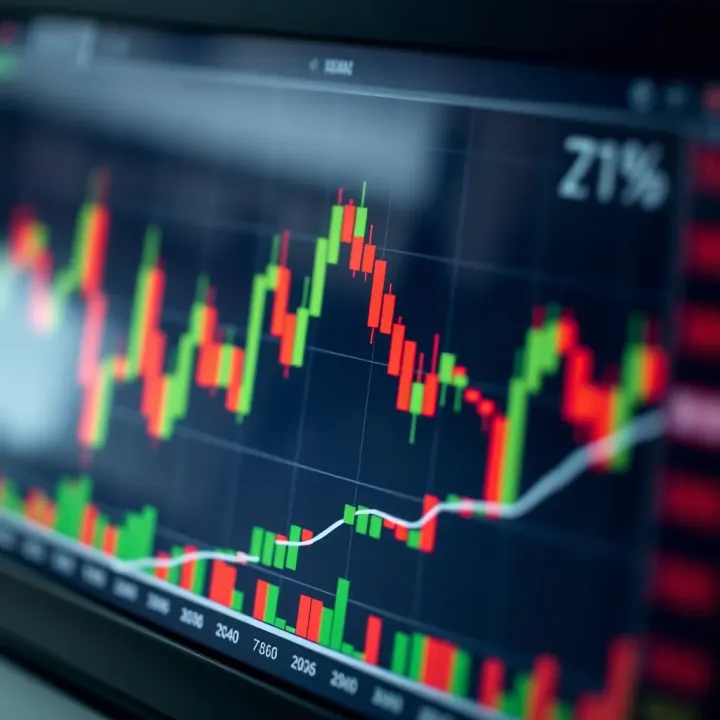
📈 Master Intraday Trading in India with our detailed guide covering strategies, key tools, risk tips, market insights, and regulations for smart trading.
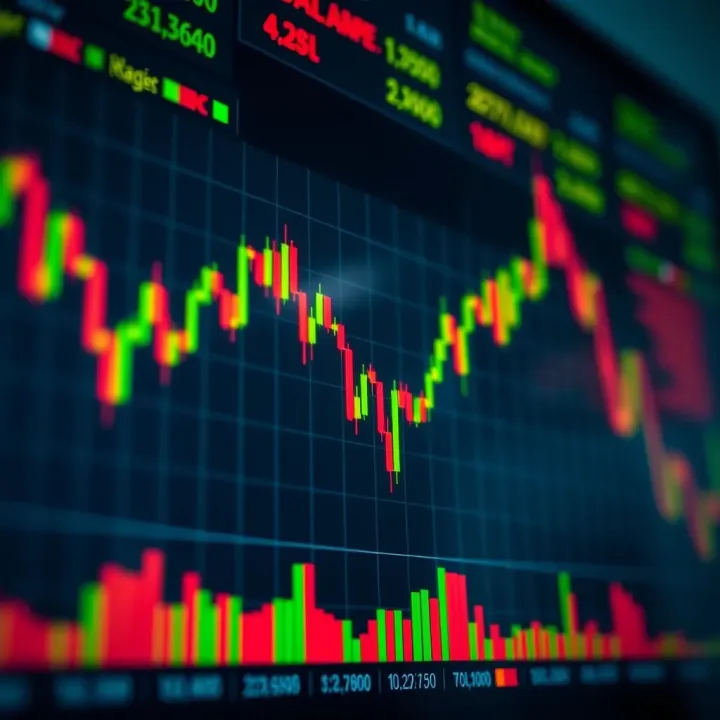
🚀 Dive into intraday trading in India: learn key concepts, tools, proven strategies, risks, and regulatory tips to trade smartly within a day!
Based on 5 reviews