
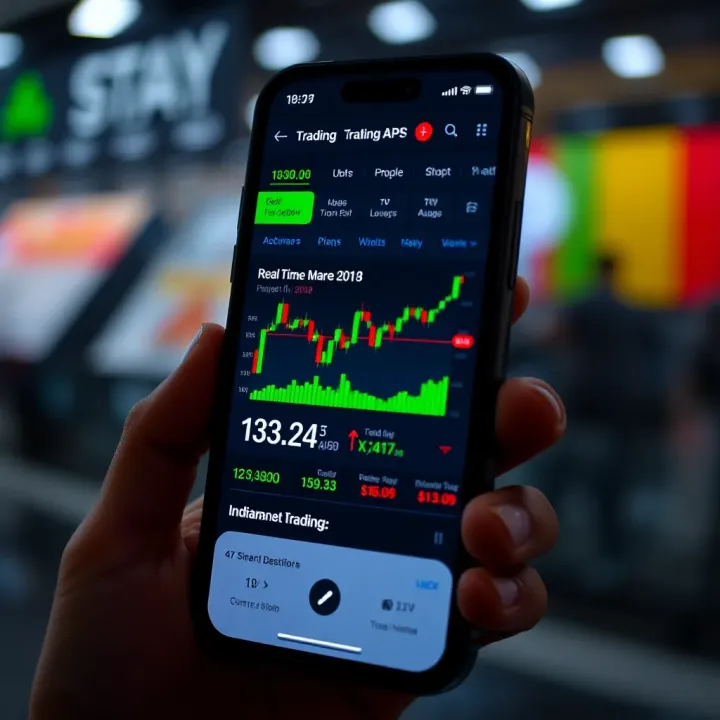
Best Trading Apps for Indian Investors in 2024
📈 Discover how to pick the best trading app for Indian investors! Compare features, security, user experience & costs to invest smarter today.
Edited By
Charlotte Hughes
Selecting the right trading app can significantly impact your investment returns, especially in the fast-evolving Indian market. With an abundance of options, from Zerodha Kite to Upstox and Angel Broking, each platform offers different features, charges, and ease of use. It’s essential to pick a trading app that matches your trading style, budget, and financial goals.
Trading apps today are not just for executing orders. They provide market insights, real-time data, educational resources, and even algo-trading facilities. For example, Zerodha Kite is popular for its clean interface and powerful charting tools, while Upstox offers competitive brokerage with a quick account opening process.
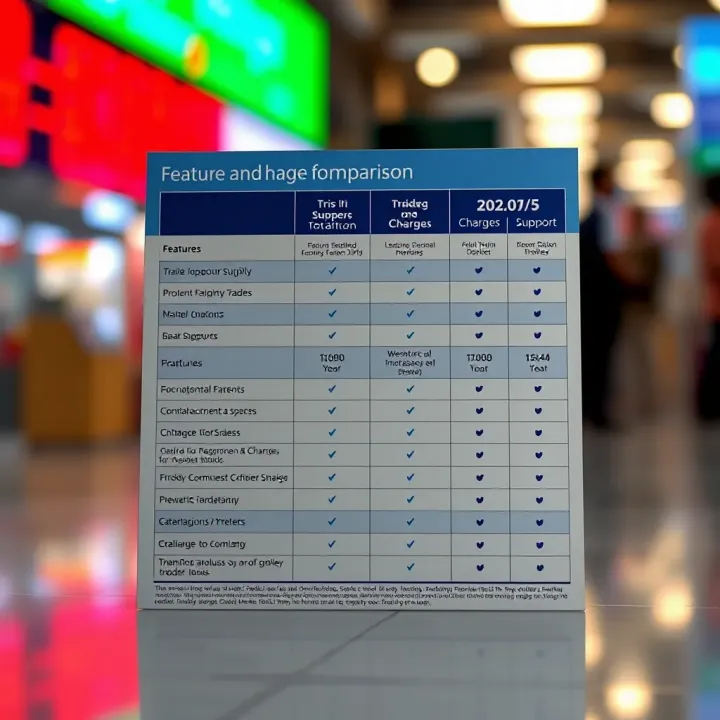
A trading app must not only be user-friendly but also reliable in uptime and data accuracy to help investors seize timely opportunities.
Here are the key factors Indian investors should consider:
Usability: An intuitive app with easy navigation saves time and reduces errors when trading rapidly. Look for features like watchlists, instant order placement, and customisable dashboards.
Charges: Brokerage fees impact your net earnings. Compare flat fees versus percentage charges, and watch out for hidden costs like call and trade or maintenance charges.
Product Variety: Beyond equities, check if the app supports commodities, futures, options, and mutual funds to diversify your portfolio.
Customer Support: Efficient support matters, especially when market conditions fluctuate. Look for apps with quick and helpful customer service through chat, phone, or email.
Considering these aspects will help you zero in on a trading app that supports your earning objectives without unnecessary complexity or cost. In following sections, we will explore top apps and how they perform across these criteria, so you can make a well-informed choice.
Choosing the right trading app is about more than just flashy advertisements or low brokerage charges. The key features of an app directly affect your ability to make timely, well-informed decisions and ultimately impact your earnings. For Indian investors, it means looking for tools and functionality suited to local market dynamics, taxation, and trading habits.
The user interface (UI) plays a vital role in how easily both new and experienced traders navigate through the app. A cluttered layout or confusing menus make it difficult to execute trades swiftly, possibly causing missed opportunities. For example, Zerodha’s Kite app is popular partly because it balances simplicity with depth, helping beginners learn quickly while allowing experienced traders to access advanced features easily.
Customisation options provide traders control over how they view and manage their data. Being able to create personalised dashboards or watchlists means you can focus on stocks or sectors relevant to your strategy. For instance, an investor tracking only IT and pharma stocks can set up watchlists accordingly, saving time and reducing noise from other market movements.
Access to real-time market data and interactive charts is non-negotiable. Delays in price updates can mean losses in volatile markets. Apps like Upstox and Groww ensure data updates with minimal lag, empowering traders to respond quickly.
Technical indicators such as moving averages, RSI (Relative Strength Index), and Bollinger Bands help investors analyse trends and plan entry or exit points. These tools turn raw data into actionable insight, bridging the gap between guesswork and strategy. A trading app without these features limits the trader to guesswork.
Stock recommendations and timely market news add a layer of convenience by highlighting opportunities or risks without needing constant personal research. For example, integrated news feeds from NSE or BSE, or even expert commentary within the app, keep you ahead of sudden market changes or sector updates.
Brokerage fees can quietly eat into your profits if you trade frequently or in small amounts. Apps like Zerodha charge a flat ₹20 per trade irrespective of volume, which helps day traders manage costs better than percentage-based brokerage. Understanding these charges helps you pick a platform aligned with your trading frequency and style.
Account maintenance fees and transaction charges, including GST and Securities Transaction Tax (STT), add to overall costs. Some apps waive annual maintenance charges but may charge for services like physical contract notes or SMS alerts. Knowing these costs upfront prevents surprises that diminish your returns.
Selecting a trading app is a balancing act. Look carefully at how the interface makes trading easier, what research tools can sharpen your decisions, and how the charges affect your bottom line. The right app simplifies your trading, keeps costs in check, and supports your strategy with reliable data.
Choosing the right trading app can significantly affect your investment returns and overall trading experience. Popular trading apps in India offer several advantages tailored to local market needs, such as low brokerage fees, efficient fund transfers, and real-time updates aligned with Indian stock exchanges like NSE and BSE. Let’s explore some leading apps widely used by Indian investors, considering their features and practical benefits.
Zerodha’s Kite platform strengths: Zerodha’s Kite has earned a reputation for its clean, intuitive interface combined with powerful trading tools. The platform supports seamless order execution with minimal lag, which is essential during volatile market sessions. Its advanced charting options and an extensive range of technical indicators empower traders to analyse trends effectively. Notably, Zerodha’s low brokerage fees, capped at ₹20 per trade irrespective of volume, make it affordable for both small and large investors looking to maximise net gains.
Kite also integrates well with other Zerodha products like Console for portfolio analytics, making it a cohesive ecosystem for managing investments and income streams. The app's ability to customise dashboards and watchlists allows investors to track specific stocks or sectors closely, a feature appreciated by both beginners and seasoned traders.
Upstox’s competitive pricing and tools: Upstox stands out for its aggressive pricing strategy, offering zero brokerage on delivery trades and just ₹20 per trade for intraday or F&O segments. This pricing appeals to traders who prefer active buying and selling without worrying about fees cutting into profits. The app provides robust charting tools powered by ChartIQ, delivering detailed technical analysis which supports informed decision-making.
Additionally, Upstox’s integration with multiple exchanges and quick fund transfers via UPI and net banking streamline the trading experience. Its mobile app supports order placement, portfolio tracking, and instant alerts, making day trading or long-term investing straightforward for a broad user base.

5Paisa’s offerings for budget-friendly traders: 5Paisa targets investors with tight budgets who want a low-cost entry into stock markets. With flat brokerage charges as low as ₹10 per trade and zero fees in some plans, it suits new traders or those trading smaller volumes. The platform offers simple browsing of mutual fund schemes and stocks alongside basic charting tools. While not as feature-rich as Zerodha or Upstox, 5Paisa’s low cost structure helps traders keep more of their earnings.
Moreover, 5Paisa’s subscription plans that provide access to advanced features make it flexible for users scaling their activity. This approach is ideal for investors who want to start small and gradually upgrade as they learn more about trading.
Groww’s user-friendly interface and mutual fund access: Originally a mutual fund investment platform, Groww has since extended its services to stock trading. Its clean, easy-to-navigate app makes purchasing stocks and mutual funds hassle-free, especially for investors unfamiliar with complex trading platforms.
Groww integrates direct mutual fund purchases without commission, allowing investors to combine equity trading with long-term wealth-building through SIPs (Systematic Investment Plans). The transparency around charges and educational resources within the app help users make better-informed investment choices. For a trader interested in diversifying between stocks and mutual funds, Groww offers a convenient all-in-one solution.
Selecting a trading app involves balancing cost, usability, and access to features. Zerodha and Upstox cater well to experienced traders, while 5Paisa and Groww provide affordable and accessible options for beginners or diversifying investors.
These options highlight that Indian investors have access to diverse platforms designed to fit different trading styles and financial goals. Considering these factors will help you maximise your earnings while managing risks effectively.
Choosing the right trading app goes beyond the surface features; understanding how returns and earnings differ across platforms is key for any serious investor. Since brokerage fees, taxes, and user experience vary significantly, comparing these factors helps you keep more of your profits while trading effectively.
Securities Transaction Tax (STT) is a levy on the transaction value of securities bought or sold in the stock market. For instance, buying shares on the NSE or BSE attracts STT, typically at 0.1% for delivery trades. Besides STT, Tax Deducted at Source (TDS) comes into play, especially on dividends and interest from fixed deposits or bonds. For traders, TDS is often deducted on short-term capital gains as per the income tax slab rates, which can reduce actual take-home returns.
Consider a case where an investor makes a ₹1 lakh profit on day trading. The STT on this would be around ₹200 (0.2% combined for buy and sell), plus TDS at applicable rates depending on the holding period and income. Ignoring these taxes can mislead you about your actual earnings.
Brokerage fees directly impact your net profits. Platforms like Zerodha or Upstox offer flat brokerage charges or zero brokerage on equity delivery trades, making them cost-effective for frequent traders. In contrast, traditional brokers might charge a percentage-based fee, increasing costs as trade size grows.
For example, if a broker charges 0.5% per trade on a ₹1,00,000 trade, your brokerage is ₹500 per transaction, meaning ₹1,000 on a buy-sell round trip—eating into your gains. Flat-fee brokers cap this cost, helping you retain more profit. Remember, account maintenance fees and other hidden charges also add up, demanding careful scrutiny.
A key factor influencing your earnings is how swiftly your trade orders execute. A lagging app can cause missed opportunities or worse, unwanted losses during volatile sessions. Apps with stable servers and low latency ensure your buy or sell orders reflect market prices accurately.
For example, during the Nifty day's peak volatility, a slight delay can mean price fluctuations of several points, transforming potential profits into losses. Investors trading in derivatives or intraday require lightning-fast execution to capitalise on short-term moves.
Effective customer support is vital, especially when technical glitches or order issues arise. Trading platforms with quick and knowledgeable support agents help resolve problems before they impact your trades.
Imagine facing payment delays or failed order placements during a market rally. Prompt assistance from the app's support team prevents financial harm and builds trust. Platforms like Groww and 5Paisa invest in robust support to maintain user confidence and satisfaction.
Successful trading depends not just on picking the right stock but also on choosing a platform that minimises costs, taxes, and friction in execution. Comparing returns across apps in these aspects gives you a solid edge in your investment journey.
Trading apps offer more than just a platform to buy and sell securities; they come packed with features that, when used strategically, can help you boost your earnings. Understanding how to use these tools effectively can make a tangible difference in your trading outcomes, especially in volatile markets where timely decisions matter.
Advanced charts provide detailed market insights that go beyond basic price movements. Through features like candlestick patterns, moving averages, and volume indicators, investors can better judge when to enter or exit trades. For instance, if you notice a stock forming a 'double bottom' pattern on the chart, it might signal a potential upward trend, encouraging you to buy before prices rise.
Indian trading apps such as Zerodha’s Kite and Upstox offer integrated charting tools with numerous technical indicators. Using these charts regularly helps identify market trends and momentum shifts, enabling smarter, data-driven decisions rather than relying solely on tips or gut feeling.
Price alerts and stop-loss orders serve as safety nets in your trading strategy. Alerts can notify you when a stock hits a particular level, allowing you to respond swiftly without constantly monitoring the market. For example, you can set an alert if your stock price crosses ₹500, prompting a timely review of your position.
Stop-loss orders automatically sell a security when it reaches a specified lower price, helping to cap your losses. This is particularly useful in volatile sectors like IT or pharmaceuticals, where sudden changes can erode profits quickly. Most Indian trading apps support these features, giving traders peace of mind and control over risk exposure.
Regularly analysing your portfolio against current market trends ensures that your investments remain relevant and profitable. For example, during the monsoon season, agricultural stocks might perform well, while technology stocks could stagnate. Watching such shifts helps you decide whether to hold, sell, or buy more shares.
Trading apps usually provide portfolio tracking and market news updates, making it easier to stay informed without jumping between multiple sites. This ongoing review aids in spotting underperforming assets early and reallocating funds to better prospects.
Portfolio rebalancing means adjusting the distribution of assets to stay aligned with your risk tolerance and financial aims. Suppose your goal is steady growth with moderate risk, but stock market volatility has shifted your portfolio heavily towards high-risk shares. Rebalancing would involve selling some of those shares and investing in safer options like bonds or mutual funds.
Some apps offer automatic rebalancing features or calculators to plan this process efficiently. Regular rebalancing ensures your portfolio does not drift away from your objectives, protecting you from unexpected market moves and helping to maintain consistent earnings.
Smart use of trading app features combined with active portfolio management forms the backbone of maximising your earnings in the Indian markets. Taking advantage of advanced tools without regular monitoring is like having a car with a powerful engine but no driver behind the wheel.
By focusing on these tips, Indian investors can sharpen their trading skills and make informed decisions that suit their individual goals and risk profiles.
Security and regulation play a vital role in protecting investors using trading apps in India. These apps handle sensitive personal and financial data, and the trading environment involves real money transactions. Without strong security measures and proper regulatory compliance, users risk financial loss and data breaches. Hence, any trading app you choose must prioritise these factors to ensure your investments and information remain safe.
Trading apps protect your personal and financial data primarily through encryption. This means that the information you enter or access—like bank details, transaction history, or holdings—is scrambled into a format unreadable to outsiders. For example, apps use technologies like Secure Socket Layer (SSL) or Transport Layer Security (TLS) to keep communication between your device and the server secure. This encryption is crucial, especially when you use public Wi-Fi or shared devices.
Moreover, many apps store user data in secured cloud servers with limited access, reducing chances of data leakage. On top of that, these platforms regularly audit their security systems to patch vulnerabilities. For you, this means your personal information is guarded against unauthorised access or hacking attempts.
Two-factor authentication (2FA) adds an extra layer of protection by requiring two forms of verification to log in or approve transactions. Typically, after entering your password, you receive a one-time password (OTP) on your mobile or email, which you must enter to proceed. This step makes it harder for fraudsters to access your account with just a stolen password.
Several Indian trading apps like Zerodha and Upstox enforce 2FA, combining something you know (password) with something you have (mobile device). This process not only safeguards your account from unauthorised access but also adds peace of mind, especially if you trade frequently or operate with large sums.
The Securities and Exchange Board of India (SEBI) and Reserve Bank of India (RBI) lay down strict rules to protect investors and maintain market integrity. SEBI regulates brokers and trading platforms, setting standards for registration, capital requirements, and operational transparency. For instance, any legitimate trading app must be registered with SEBI and comply with its disclosure norms.
These regulations ensure that platforms cannot misuse your funds or provide misleading information. SEBI also monitors issues like insider trading and market manipulation, making trading safer for everyday investors.
Meanwhile, RBI oversees payment systems linked with trading apps. It mandates secure fund transfer methods like UPI or NEFT and expects platforms to follow anti-money laundering (AML) and know your customer (KYC) guidelines strictly. This keeps your fund movements transparent and prevents illicit activities.
Trading apps ensure compliance by obtaining necessary licences, submitting regular reports, and adopting SEBI's investor protection measures. For users, choosing an SEBI and RBI-compliant app means dealing with trustworthy platforms that meet government standards for security and fairness.
Always verify a trading app’s regulatory credentials before investing. This simple check can save you from potential scams or unsecure practices.
In summary, security measures like encryption and two-factor authentication, combined with adherence to SEBI and RBI regulations, form the backbone of reliable trading apps in India. As an investor, prioritising these aspects helps safeguard your money and personal data while enabling confident trading.
📈 Discover how to pick the best trading app for Indian investors! Compare features, security, user experience & costs to invest smarter today.
Find the best trading app for Indian investors 📱. Compare features, costs, security, and user experience to trade smartly in India’s market.🔒💹
Explore the best trading apps for Indian investors 📱 with insights on usability, costs, features, and regulations to pick the perfect fit for your needs.

Find the best forex trading app for Indian traders📱. Compare features, costs, and safety tips to trade forex efficiently on your mobile with top-rated apps.
Based on 10 reviews