

Best Forex Trading Platform India: Find Your Ideal Choice
Explore the best forex trading platforms in India 🇮🇳 with insights on features, brokers, costs ₹, and regulation to pick the ideal platform for your trading needs.
Edited By
Jack Foster
Forex trading in India operates within a unique legal and regulatory framework that impacts how investors and traders can participate. Unlike many countries, India restricts direct forex speculation involving foreign currencies except in specific ways approved by the Reserve Bank of India (RBI). This has significant implications for retail traders and financial professionals considering currency trading.
The essential regulation comes from the Foreign Exchange Management Act (FEMA), which governs cross-border foreign exchange transactions. Under FEMA, speculative activities in currency trading—such as buying and selling foreign currency pairs—are mostly prohibited for individuals unless conducted through authorised entities.
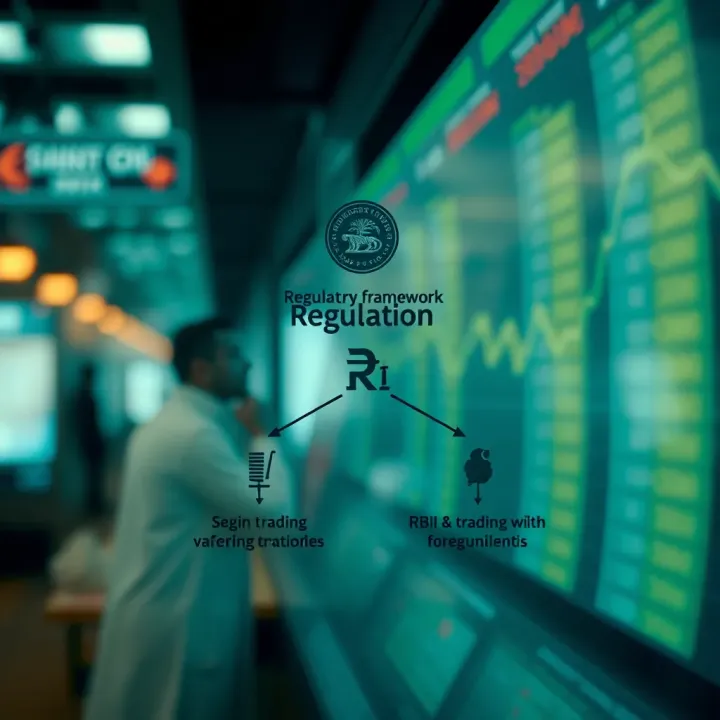
Only forex trading in currency pairs that include the Indian Rupee (INR) and are approved by RBI is permitted within Indian jurisdiction.
In practice, this means Indian residents can legally trade currency pairs like USD/INR or EUR/INR on recognised exchanges such as the National Stock Exchange (NSE) and Bombay Stock Exchange (BSE). These exchanges offer currency derivatives, including futures and options, where traders can speculate on INR exchange rate movements within a regulated environment.
Popular trading platforms that enable compliant forex trading tend to offer these INR-based pairs, ensuring adherence to RBI rules. Traders are not allowed to deal in overseas forex markets or platforms that offer cross-currency pairs that exclude INR (for example, EUR/USD or GBP/JPY) unless they have a valid offshore trading account usually meant for non-resident Indians (NRIs).
The restrictions aim to curb black money, prevent capital flight, and maintain the rupee’s stability. Investors need to be cautious, as operating outside approved channels can invite severe penalties from the Enforcement Directorate and RBI.
In summary, Indian forex trading is legally available but limited to certain currency pairs and platform types outlined by RBI and SEBI regulations. Understanding this framework protects traders from violations and aligns their strategies with India’s financial laws and market realities.
Understanding the basics of forex trading is essential for anyone looking to explore this financial arena in India. It shapes the foundation for grasping how currency markets operate and what legal boundaries exist for Indian investors. Knowing the practical aspects helps traders make better decisions and avoid stumbling into regulatory pitfalls.
Forex trading involves buying and selling different currencies against each other, like exchanging rupees for US dollars or euros for yen. The foreign exchange market is the largest financial market globally, operating 24/7 and driven by factors such as interest rates, geopolitical events, and economic data releases. Traders seek to profit from the fluctuating exchange rates by predicting these currency movements.
Unlike stock markets, forex trading usually requires lower capital to start. For example, you could trade currency pairs through contract for differences (CFDs) or currency futures without needing a large investment upfront. This makes it accessible to retail investors as well as experts. However, forex trading is highly volatile and requires understanding of market dynamics and risk management.
In India, forex trading interest has grown significantly, thanks mainly to digital platforms making it easier and faster to access currency markets. Indian investors are especially drawn to trading USD/INR, EUR/INR, and GBP/INR pairs available on recognised exchanges such as the National Stock Exchange (NSE) and Bombay Stock Exchange (BSE). Many use currency futures and options to hedge against currency risk or speculate.
Additionally, the rise of international brokers offering various forex pairs attracts traders looking beyond the officially permitted pairs. Despite restrictions, the lure of quick returns has led many Indian investors to attempt trading on global platforms, though this involves compliance and legal risks.
Indian forex traders should focus on markets regulated by the Reserve Bank of India (RBI) and SEBI to ensure safer trading and avoid penalties.
The growing demand stems from increased awareness about diversification beyond equities and mutual funds. Traders also appreciate the forex market’s continuous operation, which fits well with India’s time zone and allows trading during off-market hours for Indian stocks.
To sum up, the overview of forex trading in India is not just about the mechanics but also an understanding of its growing relevance, regulatory environment, and practical opportunities for retail investors.
Understanding the legal and regulatory framework is essential for anyone looking to engage in forex trading in India. It ensures that investors comply with the law and avoid penalties while making informed trading decisions within the permitted boundaries. This section will explain key regulators, relevant laws, and practical limitations in detail.

The Reserve Bank of India (RBI) holds primary authority over foreign exchange transactions under the Foreign Exchange Management Act (FEMA), 1999. FEMA replaced the older Foreign Exchange Regulation Act (FERA) and aims to facilitate permissible foreign exchange transactions while preventing illegal practices. RBI issues guidelines that dictate how individuals and entities can deal in foreign exchange, including forex trading.
For example, retail investors cannot freely trade all currency pairs on international platforms but must restrict dealings to those expressly permitted by the regulators. RBI also monitors foreign exchange inflows and outflows to maintain currency stability and prevent fraud or money laundering.
RBI permits trading only in currency pairs that include the Indian Rupee (INR) against select major currencies like the US Dollar (USD), Euro (EUR), British Pound (GBP), Japanese Yen (JPY), and Swiss Franc (CHF). These pairs are typically available through authorised domestic exchanges such as the National Stock Exchange (NSE) and Bombay Stock Exchange (BSE).
This limitation helps RBI maintain control over currency exposure and closely monitors foreign exchange risks within the Indian financial system. For instance, Indian residents cannot legally trade pairs like EUR/GBP or USD/AUD which don't involve INR directly.
Transactions involving foreign currencies without RBI approval are prohibited. This includes trading currency pairs not allowed by RBI or conducting forex trading on unregulated or offshore platforms. Participating in such activities can lead to legal actions, including fines and confiscation of funds.
Also, margin trading or speculative forex trading involving direct foreign currency exposure outside authorised channels is banned. This restriction protects investors from high volatility and risks associated with unregulated forex markets while preventing illegal capital flight.
RBI regularly updates guidelines to reflect changing market conditions and global currency dynamics. Its recent circulars emphasize that forex trading must happen only through RBI-registered brokers and recognised stock exchanges.
For example, the RBI’s July 2023 directive clarified that foreign exchange derivatives involving rupee pairs are permissible only within domestic exchanges under established margins and disclosure norms. Retail traders should ensure their brokers comply with current RBI rules to avoid inadvertent violations.
Apart from RBI, the Securities and Exchange Board of India (SEBI) oversees financial market regulations, including currency derivatives trading. SEBI ensures transparency, investor protection, and fair practices in currency futures and options traded on NSE and BSE.
SEBI mandates strict disclosure norms, risk management protocols, and KYC-verification for traders dealing in currency derivatives. For instance, SEBI's framework requires brokers to provide adequate risk warnings and margin requirements to safeguard small investors against excessive losses.
Understanding RBI and SEBI regulations helps Indian investors operate within legal boundaries and protects them from fraudulent or risky forex practices. It is crucial to trade only in permitted currency pairs through authorised platforms and keep updated with regulator notifications.
This framework thus creates a safer environment for forex trading, balancing accessibility with investor protection and systemic stability.
Selecting the right forex trading platform significantly affects an investor’s ability to trade efficiently and within India's regulatory framework. Indian residents must focus on platforms that comply with the Reserve Bank of India (RBI) and Securities and Exchange Board of India (SEBI) regulations to avoid legal complications and ensure fund security. Platforms offering currency derivatives within India provide a safer and more regulated environment compared to international brokers, where compliance risks are often higher.
The National Stock Exchange (NSE) and Bombay Stock Exchange (BSE) offer currency futures and options that Indian traders frequently use. These contracts allow investors to trade currency pairs like USD/INR or EUR/INR without actually dealing in the spot forex market, which the RBI restricts for retail investors. Trading on these exchanges ensures compliance with Indian laws and provides transparency in pricing and settlement.
For example, an Indian investor can buy USD/INR futures contracts on the NSE to hedge against currency fluctuations or speculate based on market views. The regulated nature of the NSE and BSE platforms ensures monitoring, reducing counterparty risks and eliminating issues common with unregulated brokers. On top of that, these platforms offer robust clearing and settlement mechanisms, making them trusted venues for forex trading within Indian jurisdiction.
Many Indian traders are tempted to use international forex brokers offering a wider range of currency pairs and leveraged products not available domestically. However, such usage carries considerable risk as these brokers usually operate outside India's legal purview. Transactions with these brokers may violate the Foreign Exchange Management Act (FEMA), and funds transferred abroad face scrutiny and possible penalties.
Moreover, international brokers might not follow Indian market standards for know-your-customer (KYC) and anti-money laundering (AML) checks, increasing the risk of fraud. There is also limited recourse for Indian investors in case of disputes or platform failures. Traders must therefore exercise caution, verify a broker’s licensing with Indian regulators, and prefer domestic platforms whenever possible.
Choosing platforms regulated within India not only keeps you on the right side of the law but also adds layers of safety and ease in handling taxes and compliance.
In summary, while international forex brokers may seem attractive for variety and leverage, domestic platforms like NSE and BSE provide a lawful, transparent, and safer option for Indian residents engaged in forex trading.
Trading forex in India involves several practical steps beyond just understanding market movements. Indian traders must be aware of regulatory rules, documentation requirements, tax implications, and the risks involved. These practical considerations ensure that trading is compliant with Indian law and minimise surprises down the line.
To start forex trading legally in India, you need to open a trading and demat account with a registered broker offering currency derivatives. The broker must be regulated by the Securities and Exchange Board of India (SEBI). KYC (Know Your Customer) compliance is mandatory, requiring submission of documents like Aadhaar card, PAN card, address proof, and bank statements for identity and financial verification.
For example, to trade currency futures on the National Stock Exchange (NSE), you have to complete this KYC process with your broker and link your bank account for settlement purposes. Without proper KYC, Indian exchanges will not permit your trades. Also, international forex brokers generally do not accept Indian residents for spot forex trading due to RBI restrictions.
Forex trading income in India typically falls under speculative or non-speculative business income, depending on the instrument traded. Currency futures and options traded on recognised Indian exchanges are taxable as business income. This means you can set off losses against other business income but must declare gains in your income tax returns under the appropriate heads.
Traders should maintain accurate records of trades and expenses to help calculate tax liabilities and file returns correctly. For instance, profits from currency futures traded on NSE form part of your total income and may be subject to tax at your slab rate, along with applicable surcharge and cess.
Forex trading is volatile and exposed to high leverage, which can magnify both gains and losses. Retail traders must understand market risk, leverage risk, and regulatory risk. Regulatory risk means ignoring RBI rules and trading on prohibited platforms can invite penalties or loss of funds.
To minimise risks:
Always trade through SEBI-registered brokers offering currency derivatives
Limit leverage as per your risk appetite
Avoid unregulated international brokers promising guaranteed returns
Stay updated with RBI guidelines and market news
Careful planning and adherence to rules protect Indian forex traders from legal troubles and financial losses.
In summary, Indian forex traders should focus on completing proper KYC with authorised brokers, correctly report trading income for taxation, and exercise caution to manage risks effectively. These practical steps are essential to participate safely and legally in India’s forex market.
Explore the best forex trading platforms in India 🇮🇳 with insights on features, brokers, costs ₹, and regulation to pick the ideal platform for your trading needs.

Explore the best forex trading apps in India 📱 comparing features, usability, and regulation compliance to help you trade securely with ease and confidence.

Learn forex trading basics, currency pairs, strategies & risk management with tips for Indian traders. Start confidently in the foreign exchange market! 💹💡

💹 Explore practical forex trading tips for Indian traders! Learn strategies, risk management, and how to improve your chances of earning money in forex markets.
Based on 15 reviews