

Intraday Trading Basics and Key Practices in India
🚀 Dive into intraday trading in India: learn key concepts, tools, proven strategies, risks, and regulatory tips to trade smartly within a day!
Edited By
Amelia Watson
Binary trading in India has caught the attention of investors seeking quick gains by predicting market movements in a simple way. Unlike traditional stock trading, it offers an all-or-nothing payout based on whether a particular condition is met, such as the price of an asset rising above or falling below a certain level within a given time.

In binary options, you essentially bet on the direction of an asset like stocks, commodities, or currency pairs. You decide if the price will go up or down within a set timeframe, which can range from minutes to hours. If your prediction is right, you earn a fixed return; if it’s wrong, you lose the entire amount you invested in that trade.
For example, imagine you choose to invest ₹5,000 predicting that gold prices will rise in the next 30 minutes. If prices indeed go up, you might earn a 70–80% return, making ₹8,500 in total. If prices fall, you lose your ₹5,000.
The regulatory view around binary options in India is cautious. The Securities and Exchange Board of India (SEBI) does not recognise binary options as a legal investment instrument, and many platforms offering binary trading operate without official approval. The Reserve Bank of India (RBI) also restricts transactions via certain payment channels linked to such trading.
Retail traders should be careful as unregulated binary trading platforms often carry a significant risk of fraud or fund mismanagement.
Although domestic regulated brokers don’t offer binary options, some Indian investors use international online platforms. However, these platforms may not comply fully with Indian laws or guarantee investor protection. Traders should thoroughly research the reputation, withdrawal policies, and licensing of any platform before investing.
Binary trading is highly speculative and can lead to rapid losses, especially for those new to market dynamics. The fixed payout structure might seem attractive, but it masks the high risk—predicting short-term price moves is inherently uncertain.
Considering these factors, binary trading may suit only risk-tolerant investors with strong market knowledge and risk controls in place.
Understanding these basics helps you navigate this complex space with more awareness and caution.
Binary trading is a financial method where traders predict if the price of an asset will rise or fall within a fixed time frame. This form of trading is popular in India because it simplifies decisions into a 'yes' or 'no' outcome, making it easier for many investors to understand. Unlike traditional trading that involves owning assets, binary trading focuses on correct prediction, offering fixed returns or losses.
The core of binary options trading lies in its simplicity. You choose an asset—this could be stocks, currencies like the US Dollar or Euro, commodities such as gold, or indexes like the Nifty 50—and predict whether its price will go above or below a certain point within the expiry time. If your prediction is right, you earn a predetermined profit, usually between 60% and 90% of the invested amount. If you’re wrong, you lose the invested sum.
For example, suppose you believe the price of Reliance Industries shares will increase over the next hour. You place a binary trade predicting a rise. If after an hour the share price is indeed higher, you get your fixed payout; if not, you lose that stake.
Binary trading offers several types of trades, each suited to different strategies:
High/Low: Predict whether the price will be higher or lower than the current level at expiration.
One Touch: The trade pays out if the price hits a specified level even once before expiry.
Range: You predict if the price will stay within or go outside a defined range.
These types allow traders in India to tailor their approaches based on market volatility and personal risk appetite.
Successful binary trading depends on accurate market predictions. Indian traders commonly rely on technical analysis using charts, trends, and indicators like moving averages or Relative Strength Index (RSI). For instance, spotting a support level on a chart might suggest the price won’t drop further, guiding a ‘call’ (buy) option.

Besides, global economic news, Reserve Bank of India’s policy decisions, or events like monsoon forecasts can impact commodity prices and currency rates. Keeping an eye on these helps traders make more informed bets.
Binary trading offers quick decisions and transparent outcomes but requires good market knowledge and discipline to manage risks effectively.
This section lays the groundwork for understanding how binary trading functions in India, helping you navigate its basics before exploring the legalities, platforms, and risks involved.
Understanding the legal status of binary trading is important before investing or trading in such financial products in India. The regulatory setup clarifies what is allowed and what risks traders might face due to the legal framework around this practice. Without clarity, traders can unknowingly end up in trouble or lose money on platforms not compliant with Indian laws.
India’s financial sector is governed by stringent regulations aimed at protecting investors. The Securities Contracts (Regulation) Act, 1956 and the Reserve Bank of India's (RBI) guidelines set the tone for how financial products, including derivatives, can be traded. However, binary options fall into a grey area because they are not directly approved investment instruments under these acts.
Unlike stock or commodity trading on recognised exchanges such as NSE or BSE, binary trading platforms often operate without clear licenses from Indian regulators. This increases risk because such platforms may not have strong consumer protections or oversight. The Securities and Exchange Board of India (SEBI) does monitor derivatives but currently does not authorise binary options as a legitimate derivative product.
Several key bodies influence the regulation of binary trading in India:
Securities and Exchange Board of India (SEBI): SEBI regulates stock and commodity markets, including derivatives on recognised exchanges. It does not oversee most binary trading platforms, as they generally operate offshore.
Reserve Bank of India (RBI): RBI oversees foreign exchange and overseas trading activities. Since many binary trading platforms ask for deposits in foreign currency, RBI’s rules on foreign exchange apply. Traders must use RBI-approved methods like UPI or net banking for payments whenever possible.
Ministry of Finance: Through legislative updates, the ministry can introduce new laws or amendments that impact the legality of online trading products.
Together, these bodies work to protect investors but have limited direct control over offshore or unregulated binary trading platforms.
Traders in India face several legal challenges when dealing with binary options:
Lack of Regulation: Most binary platforms are not regulated by SEBI or RBI. This means no official dispute resolution if the platform cheats or delays payments.
Risk of Scams: Several fraudulent schemes masquerade as binary trading platforms. Indian investors have reported difficulties withdrawing funds or losing money to fake sites.
Grey Area Transactions: Payments to offshore platforms might violate RBI’s foreign exchange rules if done using unapproved channels.
Taxation Issues: Gains from binary trading have unclear treatment under income tax laws, which might lead to problems during tax filing.
Indian investors should prioritise trading only on SEBI-registered exchanges or platforms complying with RBI rules to avoid legal hassles and financial loss.
Being informed about these regulatory aspects helps you trade with greater confidence and avoid firms that operate against Indian laws. Always check if a platform holds legitimate licences, complies with Indian regulations, and respects consumer protection norms before investing your hard-earned money.
Choosing the right platform is a key factor for success in binary trading. Indian traders need reliable interfaces that provide transparency, swift execution, and tools tailored to local market conditions. Platforms that support secure payment methods like UPI or net banking add convenience for Indian users.
A trustworthy platform should offer clear contract terms, including expiry times and payout rates. It must be regulated by recognised authorities—while Indian-specific regulations are limited, platforms registered with international bodies like CySEC or FCA provide extra assurance. Easy deposit and withdrawal options, preferably in Indian rupees, help avoid currency conversion hassles and extra charges.
Look for platforms with intuitive charts and real-time data updates. For instance, a live feed of Nifty 50 or Sensex movements can help Indian traders make timely decisions. Customer support in local time zones and Indian languages is a bonus, ensuring prompt assistance when needed.
Popular platforms among Indian binary traders include IQ Option, Olymp Trade, and Pocket Option. IQ Option, for example, is renowned for its customer-friendly interface and educational resources. Olymp Trade offers flexible expiry periods and a dedicated mobile app, which suits traders who prefer on-the-go access. Pocket Option stands out with its low minimum deposit and global asset coverage.
These platforms accept Indian payment methods, including UPI, net banking, and some debit cards, simplifying funds transfer. However, traders must perform due diligence as platform reliability varies; reading verified reviews and checking for SEBI advisories is wise.
Analytical tools help traders reduce guesswork. Platforms often provide technical indicators such as Moving Averages, Bollinger Bands, and Relative Strength Index (RSI), which are essential for spotting trends in Indian markets. For example, tracking the RSI can hint when the Nifty 50 index is oversold or overbought.
Besides native tools, Indian traders often use third-party charting software like TradingView for more detailed analysis. Integrating news feeds relevant to Indian economic events, such as RBI policy announcements or GST updates, further sharpens trading decisions.
Selecting the right platform and tools is not just about convenience but also about risk management. Using reliable platforms with strong analytics improves a trader's chance of making informed trades rather than relying on speculation.
By focusing on these aspects, Indian traders can navigate binary trading platforms efficiently while tailoring their approach to India's unique market dynamics.
Binary trading can seem like a quick way to earn, but without proper strategies, traders often run into trouble. Effective tactics help manage risks and boost chances of success in this fast-paced market.
Managing risk is key for any binary trader. Setting a maximum limit for losses per day or per trade prevents deep financial damage. For example, if you invest ₹10,000 daily, you could cap losses at ₹1,000, preserving most of your capital for future trades. Using stop-loss orders and diversifying trades across different assets also reduce exposure. Not putting all your money into one prediction shields you from sudden market swings.
Indian traders often prefer strategies like the "Trend Following" method, where they identify and bet on continuing market direction. For instance, if the Nifty index is consistently rising, traders place 'call' options expecting the trend to hold. Another popular tactic is the "Pinocchio" strategy, which focuses on spotting false market moves—like a sudden dip that quickly recovers—signalling a buying opportunity. Some also use "Straddle" to benefit from volatility, buying both call and put options when unsure about market direction but expecting big moves.
Before risking real money, learning through demo accounts is essential. These simulated platforms let you practice without losing cash, making mistakes harmless. Brokers like IQ Option and Olymp Trade India provide demo trading, helping you understand order placement, timing, and the effect of market news. Alongside demo practice, reading market reports, watching tutorial videos, and following updates from reliable sources sharpens your skills and judgement.
Starting binary trading without education or risk control is like sailing without a compass – you’re bound to lose direction and may find yourself in rough waters.
Applying these strategies thoughtfully helps in balancing opportunity and risk, making binary trading a disciplined activity rather than a gamble. Traders who prepare well and stick to tested techniques secure steady gains over time rather than chasing quick wins.
Understanding the risks and challenges involved in binary trading is essential for anyone looking to enter this field. While binary options can offer quick returns, they also carry significant downsides that traders must be aware of to protect their capital and mental well-being.
Binary trading carries a high risk of losing the entire invested amount in a very short time, sometimes within minutes. For instance, if you bet ₹10,000 on the price of an asset going up, and it falls instead, you might lose the whole ₹10,000 instantly. Unlike traditional investing, where you may still hold an asset during downturns, binary trading settles on a fixed payout or loss. This all-or-nothing nature means you can burn through your funds quickly if you lack proper money management. It's wise to limit trades to a small percentage of your portfolio, say 2-5%, to avoid catastrophic losses. Many traders overlook this and rush in expecting easy profits.
India's binary trading scene has seen its share of scams. Some platforms promise guaranteed profits or insider tips, luring investors to deposit huge sums only to disappear or deny withdrawals. It's vital to trade on platforms regulated by trusted authorities or those with transparent operations. Fake brokers often use aggressive marketing on social media, making it tempting for new traders to fall prey. For example, some websites mimic popular trading platforms but lack proper licence or customer support. Always verify a platform’s credentials with Indian regulators like SEBI or international bodies before investing.
Trading binary options requires a cool head. The fast pace and high stakes can lead to emotional decisions, such as chasing losses or doubling down on risky bets. Overconfidence after a few wins often pushes traders to take bigger risks, which can backfire. Fear, greed, and impatience often drive poor choices. Developing discipline through a clear strategy and sticking to stop-loss limits helps manage these emotions. Demo accounts can be useful to practice without risking real money, giving traders a chance to understand their own psychological triggers before jumping into live trades.
Successful binary trading in India depends just as much on recognising these risks as on understanding market movements. Without proper caution, even experienced traders can face heavy setbacks.
By keeping these financial, legal, and psychological challenges in mind, you can take measured steps towards safer and more informed trading in the dynamic Indian market.
🚀 Dive into intraday trading in India: learn key concepts, tools, proven strategies, risks, and regulatory tips to trade smartly within a day!

📈 Explore online forex trading in India with this detailed guide. Learn market basics, strategize smartly, and manage risks for better decisions. 🇮🇳

📱 Explore mobile trading apps in India—key features, benefits, security tips, and smart choices to trade effortlessly anytime, anywhere with confidence.
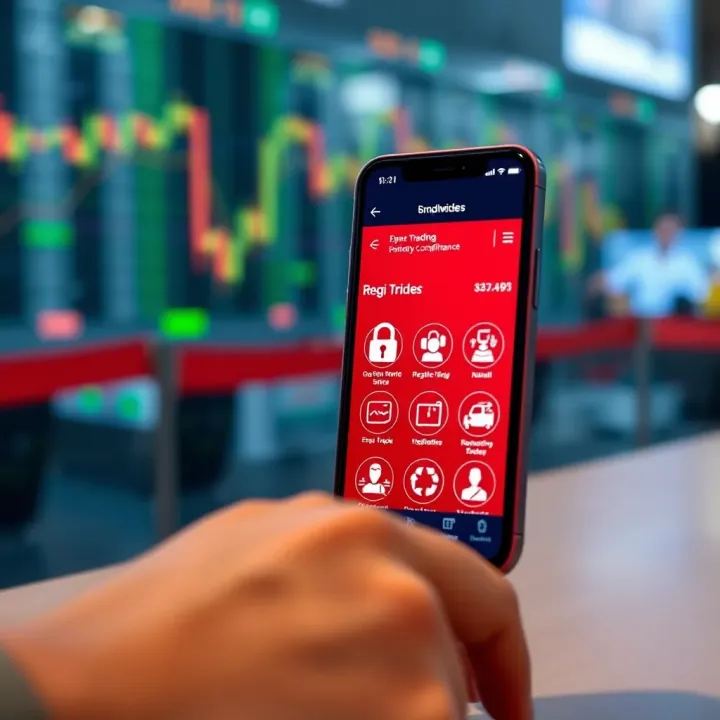
🔍 Explore the legal status and risks of binary trading apps in India. Learn how to spot trusted platforms and trade safely with well-informed steps. 📱💼
Based on 14 reviews