

Candlestick Chart Patterns with Hindi PDFs
📈 Learn candlestick chart patterns in Hindi with free PDFs! Improve your stock trading skills, understand key patterns, and make smarter market decisions.
Edited By
Henry Collins
Candlestick and chart patterns offer strong clues about stock price movements, helping traders and investors decide when to buy or sell. These patterns aren't just fancy graphics; they reflect the battle between buyers and sellers in the market, making them valuable tools for analysing stock trends.
Candlesticks show price action within a specific timeframe, usually a day. Each ‘candle’ has a body and wicks—depicting opening price, closing price, highest and lowest points. Recognising patterns like the Bullish Engulfing or Doji can indicate potential trend reversals or continuations.
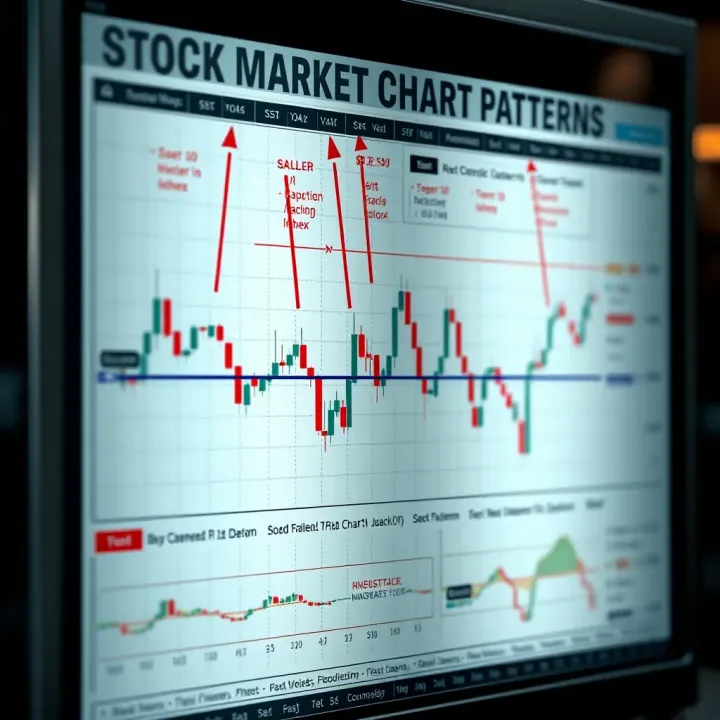
Chart patterns, on the other hand, are formations created by price movements over days or weeks. Patterns such as Head and Shoulders or Flags provide insight into whether a stock might go up or down. These visual cues help traders anticipate market behaviour rather than react blindly.
Understanding these patterns is especially useful if you trade stocks on NSE or BSE, where quick decisions can make a big difference. They reduce guesswork, enabling you to enter or exit trades with better confidence.
Here’s why learning these patterns matters:
Timing: Spotting a pattern early can maximise profits or minimise losses.
Risk management: Helps set stop-loss levels based on pattern validation.
Strategy building: Combine multiple patterns for more reliable trading plans.
To get started, focus on a few common candlestick patterns like Hammer, Shooting Star, and chart patterns such as Double Top or Triangle. Practice reading charts on platforms like Zerodha Kite or Upstox. Also, various PDF resources in Hindi break down complex concepts with real-life chart examples, making them easy to grasp.
This approach helps not just beginners but also experienced traders who want to sharpen their analysis skills in Hindi, avoiding language barriers.
Grasping the language of charts and candles is like learning to read the market’s story—it guides investors towards smarter decisions without relying on tips or rumours.
Next sections will explore key patterns and practical tips along with exclusive Hindi PDFs to boost your knowledge efficiently.
Candlestick and chart patterns serve as essential tools for traders and investors looking to decode market behaviour. These patterns provide visual clues about price action, helping to anticipate possible trend reversals or continuations. Understanding them allows you to make informed decisions rather than relying on guesswork or tips.
For example, recognising a bullish candlestick pattern might indicate a good entry point, while specific chart patterns could signal that a current trend may lose momentum soon. This practical insight is particularly useful in fast-moving markets like the Indian stock exchanges, where timely decisions can significantly impact returns.
Definition and origin: Candlestick patterns originated in Japan over three centuries ago, used initially for rice trading. They represent the price movement within a specific time frame by visualising open, high, low, and close prices in a compact form. Each candlestick is like a story of market sentiment for that particular period. For Hind-speaking traders, these patterns offer a simple yet powerful way to see shifts between buyers and sellers without needing complex calculations.
Basic structure of a candlestick: Each candlestick consists of a ‘body’ and ‘shadows’ (or wicks). The body shows the difference between opening and closing prices, while the shadows represent the highest and lowest prices reached. A long body suggests strong buying or selling pressure, whereas short bodies indicate indecision. For example, a green (or white) candlestick with a long body shows buyers dominated the session, which can hint at upward momentum.
Difference between candlestick and chart patterns: Candlestick patterns focus on individual or a small group of price bars to interpret short-term market psychology. In contrast, chart patterns involve larger formations created over longer periods, like days or weeks, highlighting broader trends. For instance, a ‘head and shoulders’ pattern — a classic chart pattern — can signal a significant trend reversal, whereas a candlestick pattern like ‘hammer’ might suggest a quick change within a day or two.
Role in technical analysis: Both candlestick and chart patterns act as tools in technical analysis to forecast future price movements based on past data. They help traders time their entries and exits more effectively by interpreting price action visually. Combining these patterns with other indicators such as volume or moving averages can strengthen analysis, reducing the risk of false signals. For Indian traders relying on online platforms like Zerodha or Upstox, recognising these patterns is a must-have skill for navigating the volatile market conditions.
Understanding the difference and relationship between candlestick and chart patterns enables you to read market sentiment clearly and enhances your decision-making skills in stock trading.
Recognising key candlestick patterns helps traders spot potential market moves early. These patterns serve as signals that hint at price direction changes or continuations. For investors and analysts, knowing these patterns sharpens decision-making, improving entry and exit timing. Understanding them also allows you to read market psychology reflected in price action.
This pattern appears when a small red candle is followed by a large green candle that completely covers or "engulfs" it. It often signals a reversal from a downtrend to an uptrend. For example, if a stock price was falling for several days, spotting this pattern near a support zone may indicate buyers stepping in.
The practical relevance is clear: it suggests fresh demand pushing prices higher, inviting traders to consider a buy or reduce short positions. However, confirming this with volume rise strengthens its reliability.
A hammer forms when a candle has a small body with a long lower shadow, appearing after a price decline. It reflects that sellers pushed the price down significantly during the session, but buyers regained control to close near the opening price.
In practice, a hammer near a strong support level provides a clue that the downtrend might be ending. Traders use this to spot potential bottoms and look for confirmation in the next candle or additional indicators before entering long positions.
The morning star is a three-candle pattern that indicates a bullish reversal. It consists of a long red candle, a smaller indecisive candle (like a doji or spinning top), followed by a long green candle closing above the first.

This pattern is useful because it clearly shows sentiment shifting from bearish to bullish over consecutive sessions. It offers a stronger reversal signal than single candles like the hammer, particularly after a prolonged fall.
Here, a significant red candle fully covers the body of a preceding smaller green candle. It points to sellers overwhelming buyers and marks a possible reversal from an uptrend to a downtrend.
Traders watch for this after an upward move, as it indicates profit-taking or fresh selling pressure. A high trading volume on the engulfing day adds weight to the pattern’s bearish signal.
A shooting star has a small body and a long upper shadow, appearing after a price rise. It highlights that buyers tried to push prices higher but failed, with sellers regaining control by close.
This pattern signals a possible top or resistance, warning traders about weakening bullish momentum. Spotting a shooting star near resistance zones can prompt tightening stop-loss or preparing to sell.
The evening star is the bearish counterpart to the morning star. It consists of a long green candle, a small indecisive candle, followed by a long red candle that closes well into the prior green candle’s body.
This pattern marks a fading bullish run and growing selling pressure, often predicting a downward price move in the near term. It's especially reliable after extended rallies.
A doji forms when open and close prices are nearly the same, creating a cross or plus shape. It reflects indecision in the market, where neither buyers nor sellers have clear control.
Though not a reversal signal by itself, a doji gains importance when it appears at key support or resistance levels, often preceding a change in direction. Traders treat it as a warning to watch for confirmation before acting.
The spinning top has a small body with upper and lower shadows almost equal in length, representing a balance between buying and selling forces.
This pattern often suggests a pause in a trend, where the market is uncertain. It alerts traders that the current trend might be weakening, prompting them to look for additional signals before confirming any moves.
Understanding these candlestick patterns equips you to interpret market moods better and make informed trading choices. These patterns alone are useful, but combining them with volume and other technical tools improves accuracy significantly.
Chart patterns form a vital part of technical analysis for traders and investors. These patterns help predict market direction by identifying recurring shapes on price charts. Knowing popular chart patterns improves your ability to spot potential buying or selling opportunities, making trades more informed and strategic.
The Head and Shoulders pattern signals a likely reversal from a bullish to a bearish trend. It consists of three peaks: a higher middle peak (head) flanked by two lower peaks (shoulders). When the price breaks below the ‘neckline’ connecting the lows between shoulders, it often confirms the start of downward movement. Traders use this pattern to exit long positions or initiate short trades.
This pattern is practical in real-world use, especially in volatile Indian stocks where sudden trend changes can result in significant losses. For example, if Reliance Industries' share price forms this pattern, a trader might prepare to sell before the price drops further.
The Double Top pattern indicates a strong resistance level. After the price hits a high twice with a moderate drop in between, it suggests the asset may struggle to rise further, often leading to a downtrend. Conversely, the Double Bottom shows a support level, where the price hits a low twice before rallying, hinting at a bullish reversal.
In Indian markets, these patterns appear frequently in mid-cap stocks during periods of consolidation. Spotting a Double Top in stocks like Tata Steel could help you avoid losses by timely selling, while a Double Bottom in HDFC Bank shares might encourage buying.
Triangles reflect a pause in the prevailing trend before continuation. An Ascending Triangle forms with a flat resistance line and rising support, often suggesting a bullish breakout. Descending Triangles show a flat support and falling resistance, signalling possible bearish moves. Symmetrical Triangles, with converging trendlines, indicate indecision and potential breakout in either direction.
Traders use triangle patterns to prepare for significant moves in stocks like Infosys, watching for breakout points combined with volume spikes to confirm direction.
Flags and Pennants appear after strong price moves and represent short pauses before the trend continues. Flags shape as small rectangles slanting opposite the trend, while Pennants resemble small symmetrical triangles. Both indicate brief consolidation with volume usually dropping, followed by a resumption in the original direction.
These patterns work well during busy trading sessions on indices like Nifty 50, helping traders join ongoing trends with minimal risk during breakouts.
Rectangles indicate periods where price fluctuates within parallel support and resistance levels, showing indecision. Once price breaks out above or below this range, a strong move often follows. This helps traders identify consolidation zones to time entries or exits.
In Indian small-cap stocks, rectangle patterns may last days or weeks, so closely monitoring breakouts can prevent late entries.
A Round Bottom forms a gradual transition from a bearish to bullish trend, shaped like a bowl. It suggests strengthening buying interest over time, often marking long-term trend reversals.
Stocks like L&T Finance may form this pattern after extended declines, signalling an opportunity for buy-and-hold investors to enter at early stages of recovery.
Recognising these popular chart patterns allows you to anticipate market behaviour and plan trades with greater confidence. Combining these with volume and other indicators offers a more reliable strategy in dynamic Indian markets.
Mastering candlestick and chart patterns is only half the battle. To trade successfully, you need to understand how to use these tools effectively alongside other indicators and be aware of common pitfalls. Combining patterns with additional signals improves your chances of accurate predictions, while avoiding typical mistakes protects your capital.
Volume analysis offers a clearer picture of market strength behind price moves. For example, a bullish engulfing pattern supported by heavy volume is more reliable than the same pattern with light volume. High volume confirms genuine buying interest, while low volume could signal a false breakout. Traders often watch volume spikes to validate breakouts from chart patterns like triangles or flags.
Moving averages smooth out price data to reveal trends. When a candlestick pattern appears near a key moving average, such as the 50-day or 200-day, it adds weight to the signal. For instance, a hammer candlestick near the 50-day moving average during a downtrend might hint at a reversal, especially if the price bounces off that average. Moving averages also help identify dynamic support or resistance levels in charts.
Relative strength index (RSI) measures momentum by comparing recent gains to losses. RSI readings above 70 suggest overbought conditions, while readings below 30 indicate oversold markets. If a candlestick pattern signals a bullish reversal but RSI is still above 70, caution is necessary—it might take some time for momentum to shift. Conversely, a bullish pattern emerging as RSI rises from below 30 gives a stronger reversal signal. Using RSI with candlestick and chart patterns helps avoid entries during weak momentum.
Over-reliance on a single pattern can lead to faulty decisions. No pattern works perfectly all the time. For example, spotting a morning star pattern without considering volume or broader market trends may result in losses. Multiple confirmations reduce risk by filtering out false signals. Think of candlestick and chart patterns as part of a toolkit, not stand-alone answers.
Neglecting market context is another common error. Patterns behave differently in trending versus range-bound markets. A bullish engulfing pattern in a strong uptrend can signal continuation, but the same in a downtrend might be a trap. Also, news events or earnings results can override technical patterns. Always check the overall market trend, news flow, and sector performance before acting on patterns alone.
Effective use of candlestick and chart patterns means blending them with volume, moving averages, RSI, and understanding market conditions. This balanced approach helps reduce errors and improve trade success.
By combining candlestick and chart patterns with other trusted indicators and respecting market context, you improve your chances of finding actionable and reliable trade opportunities. Avoid putting all your faith in one pattern and always look for supporting evidence before entering a trade.
Accessing Hindi PDFs and other learning materials significantly helps traders and investors grasp candlestick and chart patterns more effectively. These resources break down complex concepts into familiar language, making it easier to understand and apply strategies in real markets. For many Hindi-speaking readers, such PDFs serve as practical manuals that complement live trading and formal education.
Educational websites offering free PDFs provide valuable materials created specifically for Indian traders. Platforms focusing on financial education frequently upload comprehensive guides explaining patterns like the Doji, Head and Shoulders, and Engulfing patterns in Hindi. These guides are usually well-structured, starting with basics before moving to advanced technical analysis. For example, websites hosting free courses on the National Stock Exchange (NSE) or SEBI’s investor education sections often include downloadable Hindi PDFs.
Another key source comprises stock market forums and community groups. Online chat groups on platforms like Telegram or WhatsApp, and Indian trading forums such as TradersCockpit and Moneycontrol’s Hindi section, regularly share documents and notes. These communities prove helpful as members exchange updated PDFs, practical tips, and examples from current market scenarios. Engaging with such groups also gives you a chance to ask specific questions about confusing patterns or strategies.
Practising with real chart examples is essential when using PDFs for learning. Many Hindi PDF guides include screenshots or sample charts from Indian stocks. Copy these patterns on charting software like Zerodha Kite or Upstox to see how they form in real time. This hands-on practice helps you spot entry and exit points more confidently rather than relying solely on theory.
Regularly updating knowledge with market trends is another smart approach. The stock market keeps evolving, and so do its patterns and indicators. PDFs downloaded months ago might miss recent insights or new variations in patterns. Stay active by revisiting updated PDFs or recent guides shared in trading groups. Following key Indian economic developments and their impact on stock behaviour alongside these resources sharpens your analytical skills.
Learning through Hindi PDFs and community support bridges the gap between textbook knowledge and real trading experience, empowering you to make better investment decisions.
By tapping into these resources and using them actively, you make steady progress in understanding and applying candlestick and chart patterns, tailored to your preferred language and learning style.
📈 Learn candlestick chart patterns in Hindi with free PDFs! Improve your stock trading skills, understand key patterns, and make smarter market decisions.

📈 Learn how multiple candlestick patterns work in trading to predict markets, enhance strategies, and manage risks for smarter decisions.

📊 Learn how market chart patterns form and what they indicate to make smarter trading moves. Understand key setups for confident stock price predictions.

📈 Learn key candlestick chart patterns for smarter trading decisions. Understand bullish & bearish signals with handy PDF guides for quick reference.
Based on 9 reviews