

Lowest Brokerage Charges for Intraday Trading in India
📉 Explore India's lowest brokerage charges for intraday trading, compare top brokers, and learn tips to cut costs and boost your trading profits efficiently.
Edited By
Jack Foster
Selecting the right brokerage for intraday trading in India can make a significant difference in your trading success and cost efficiency. Intraday trading demands quick decisions and fast execution, so your brokerage must align with these requirements.
The main criteria to focus on include brokerage charges, trading platform quality, margin offerings, and customer service. For example, a trader using the Zerodha Kite platform benefits from low brokerage - ₹20 per trade or 0.03%, whichever is lower - while receiving access to advanced charting and order types suitable for high-frequency trades.
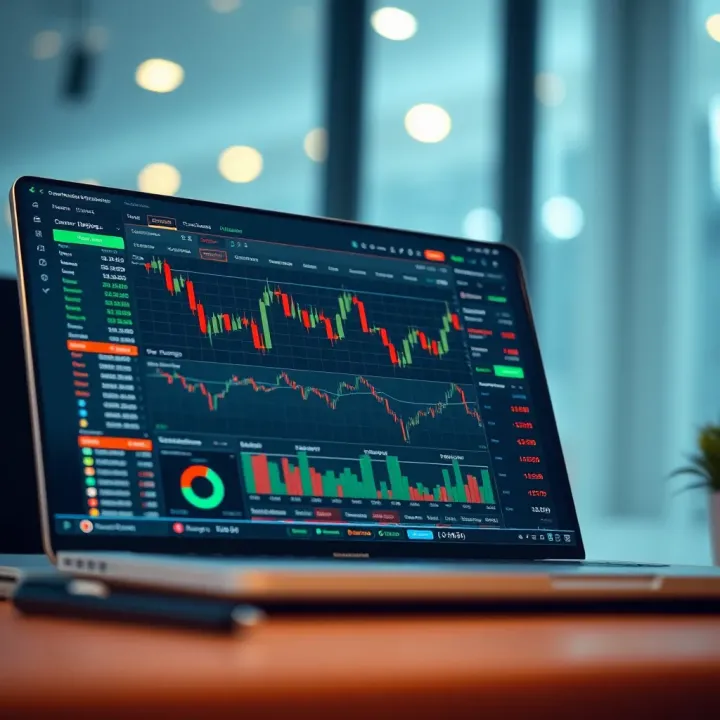
Cost structures vary widely. Some brokers offer zero brokerage on equity delivery but charge steep fees on intraday trades, while others levy flat fees. Low brokerage alone should not be the only deciding factor; hidden costs like GST, Securities Transaction Tax (STT), stamp duty, and other levies can push up expenses.
Platform usability is crucial since intraday traders often rely on quick market access and real-time data. Interactive charts, smooth order placement, and minimal downtime matter. Consider how platforms like Upstox Pro or Angel Broking stack up in terms of speed and stability.
Moreover, margin policies influence buying power. Brokers like 5paisa offer higher leverage on specific segments helping active traders capitalise effectively. However, remember that leverage increases risk as well.
Finally, efficient customer support can save you from critical delays during volatile market hours. Prompt help through chat or call can resolve technical snags quickly.
When choosing a brokerage for intraday trading, balance costs against platform features, margin benefits, and customer service quality to suit your trading style and risk appetite.
Understanding these factors will help you narrow down your options and pick a brokerage that supports your strategies without hampering profitability or causing operational hassles.
Intraday trading involves buying and selling stocks within the same trading day. Traders aim to capitalise on short-term price movements, closing all positions before the market shuts. Since profits and losses are realised daily, precise timing and cost efficiency become critical.
Intraday trading means you enter and exit positions on the same day, never holding stocks overnight. For example, if you buy shares of Reliance Industries at 10 am and sell them by 3 pm the same day, that's intraday trading. This style requires close market monitoring and quick decisions because price swings can happen within minutes.
Impact of brokerage charges on profitability: Intraday trading usually involves multiple trades daily, so brokerage fees can add up quickly. A high brokerage percentage on every trade can eat significantly into your profits. For instance, if your broker charges 0.1% per trade on ₹5 lakh worth of shares and you make ten trades daily, you're paying ₹1,000 just in brokerage alone. Over a month, such costs can severely reduce net gains, especially when trade sizes are large but profit margins slim. Traders often prefer discount brokers offering flat-fee structures or capped charges to maintain profitability.
Execution speed and trade settlement: Quick execution ensures you get the price you want without slippage, freeing you from unexpected losses. Imagine placing a sell order during a price spike; a delay of even a few seconds can mean the difference between booking profit and a loss. Similarly, brokers with frequent server downtime or latency issues could disrupt your trading strategy. Fast and reliable trade settlements also mean your funds and holdings update promptly, allowing timely entry into new positions and proper margin management.
Choosing the right broker for intraday trading directly affects your cost efficiency and the success of your trades. Factors like brokerage fees and execution speed play a defining role in overall returns.
Selecting a brokerage suited to intraday trading is not just about low charges but balancing cost with platform performance and reliability. Traders must consider these elements carefully to match their trading style and goals.
Choosing the right brokerage for intraday trading can make a significant difference in your profitability and trading experience. You should focus on factors like brokerage charges, platform reliability, order execution speed, and the tools available. These elements impact not just your costs but also how efficiently you can respond to fast-moving markets.
Brokerages usually charge either a flat fee or a percentage-based brokerage on each trade. For example, discount brokers like Zerodha or Upstox often charge a flat fee per trade, such as ₹20, regardless of the trade size. This works well for traders handling larger volumes or trade values since the cost doesn't scale with transaction size.
On the other hand, full-service brokers often charge a percentage of the trade value, typically 0.03% to 0.05%. This suits traders who prefer advisory services but may increase costs for intraday trades with high volume. Picking between these depends on your trading frequency and average trade size.
Hidden charges can eat into your profits if you don’t watch out. Apart from brokerage, you might incur stamp duty, Securities Transaction Tax (STT), exchange transaction fees, GST, and even account maintenance fees. Also, some brokers levy charges for order modifications or cancellations. Traders must read the fine print carefully to avoid surprises that erode their gains.
A clean, intuitive user interface is key when you need to act quickly. Platforms with cluttered screens or complicated navigation slow you down. Take Zerodha's Kite platform as an example, appreciated for its simple design and customisable watchlists that help traders spot opportunities fast.
Effective intraday trading demands strong charting and technical analysis tools. Features like multiple time frame views, indicators (MACD, RSI), and drawing tools enable informed decision-making. Brokers offering these tools embedded within their platform, such as Angel One’s mobile app, give traders an edge without juggling third-party software.
In today's mobile-first world, your trading app must be reliable and feature-rich. Mobile support means you don't miss trades when away from your desktop. Apps with push notifications, quick order placement, and real-time data (like ICICI Direct's Trade Racer) allow you to act on stock movements instantly.
For intraday traders, milliseconds count. Low latency ensures your buy or sell orders execute at your intended price rather than slipping to a less favourable one. Brokers connected directly to NSE servers with minimal hops provide faster execution. For example, Upstox claims execution speed in milliseconds, crucial when the market moves rapidly.
Server stability is just as critical. Frequent downtimes or lag disrupt trading plans and can trigger losses. Some platforms face heavy load during market peaks, causing crashes. Before choosing, check user reviews for reports on downtime. Brokers who invest in strong infrastructure and backup systems, such as HDFC Securities, tend to offer smoother, more reliable access.
Remember, in intraday trading, costs and execution speed are not just numbers but integral parts of your strategy. A broker offering cheap trades but slow execution could end up costing you more than expected.
By focusing on these key brokerage factors, you set yourself up to trade smarter, faster, and with better control over costs.
Comparing popular brokerages is essential for intraday traders in India because each brokerage offers different benefits tailored to various trading styles and priorities. Pricing, platform efficiency, support services, and additional features vary considerably, affecting a trader’s profitability and experience. Understanding these differences helps traders avoid surprises like hidden charges or slow execution, which can eat into earnings in fast-paced intraday markets.
Discount brokerages offer significant cost savings for frequent traders by charging low or fixed brokerage fees rather than commissions based on trade value. This flat-fee structure typically benefits intraday traders executing many trades daily, where percentage-based brokerage would quickly add up. For instance, paying a flat fee of ₹20 per trade on every transaction can save thousands over a month compared to 0.1% on trade value.
Popular discount brokers in India like Zerodha, Upstox, and Angel One have surged in popularity due to their minimal brokerage charges combined with easy-to-use platforms. Zerodha, in particular, is known for its low-cost brokerage model and robust trading app Kite. Upstox also offers quick execution and useful charting tools, while Angel One combines discount brokerage pricing with enhanced research features.
Full-service brokers go beyond just executing trades; they provide research support, advisory services, and personalised assistance, making them attractive for traders who want in-depth market analysis or are still building their trading skills. These brokerages often have dedicated relationship managers to help plan trading strategies and risk management, which can be valuable for intraday traders seeking an edge.
Examples like ICICI Direct and HDFC Securities are prominent in this space, offering comprehensive research reports covering Indian equity markets, sector trends, and stock recommendations. Their platforms may charge higher brokerage fees, but the access to expert insights and support can justify the cost, especially for traders who rely on fundamental and technical research to time their intraday trades.
Choosing the right brokerage depends on your trading frequency, need for research, and how much you value cost savings versus service quality. Discount brokers suit active traders focused on tight cost structures, while full-service brokers offer a broader range of support but at higher fees.
When you are deep into intraday trading, the brokerage you choose must offer more than just low charges and a good platform. Additional services and support become vital factors because they directly affect your trading efficiency and decision-making. Practical elements like customer service, technical assistance, and risk management features can save you from losses and help you act swiftly in fast-moving markets.
Availability of support channels is crucial. Intraday traders often face urgent issues—platform freezes, order placement errors, or connectivity problems—that need immediate attention. Brokers who provide multiple support channels such as phone lines, live chat, email, and even WhatsApp support can make a huge difference. For instance, Zerodha offers swift online chat support besides phone assistance, helping many traders resolve glitches without losing precious trading time.
How fast these issues get resolved depends on response times and troubleshooting capability. Intraday trading is time-sensitive; even a delay of a few minutes in resolving platform issues can lead to missed opportunities or unintended losses. Brokerages like Upstox ensure dedicated technical teams are on standby during market hours to address problems quickly. So, when choosing a brokerage, check how quickly they respond during peak trading hours and whether they provide clear, step-by-step help to resolve technical snags.
Effective stop loss and margin management tools are a backbone for controlling risk in intraday trading. A stop loss lets you automatically exit a trade at a preset loss limit, preventing heavy drawdowns. Good brokerages incorporate easy-to-use stop loss order types in their trading platforms. For example, Angel One provides handy features like cover orders and bracket orders where you can set stop loss and target prices together, automating part of your risk management.
Alerts and notifications complement these tools by keeping traders updated on price movements, order status, or margin limits. Timely alerts ensure you don't miss crucial market moves or margin calls. Many platforms now offer push notifications via mobile apps, emails, or SMS. Having customised alerts helps traders react promptly, adapting strategies on the fly and avoiding unexpected penalties due to margin breaches.
Strong customer support combined with effective risk management tools ensures you stay in control amid the fast pace of intraday trading. These features reduce stress and enable focus on strategy rather than firefighting platform or risk issues.
Investors eyeing intraday trading must weigh these additional services alongside core brokerage factors to find a partner that supports their trading style comprehensively and reliably.
📉 Explore India's lowest brokerage charges for intraday trading, compare top brokers, and learn tips to cut costs and boost your trading profits efficiently.

Master intraday trading in India with smart strategies, risk controls, top indicators & practical tips 📈 Boost your trading game for better gains today!

📈 Learn about brokerage charges in intraday trading including models, cost calculation & expert tips to manage fees effectively while trading swiftly in India.
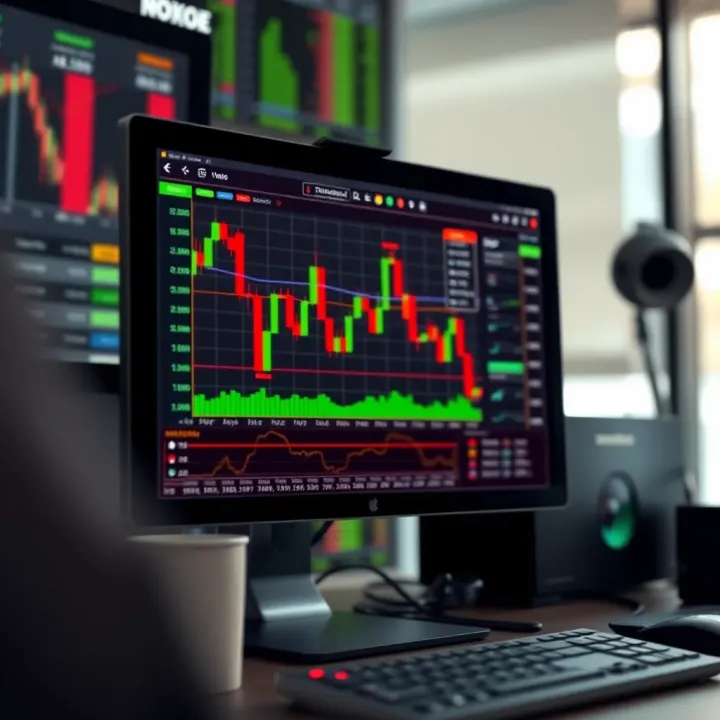
Choose the best site for intraday trading in India 🚀 by comparing brokerage, tools, reliability, and user ease to boost your trading success every day 📈.
Based on 13 reviews