

Binary Representation of the Letter A Explained
Discover how the letter 'A' converts into binary code using ASCII, with insights on bit representation 🔢 and error detection in India's digital communications 📱.
Edited By
Amelia Watson
Binary is the backbone of all digital communication and computing today. At its core, binary numbers consist only of two digits: 0 and 1. Every letter, number, or symbol shown on your screen is converted into a series of these binary digits. Understanding how the letter 'B' is represented in binary helps you grasp how computers process text.
The letter 'B' in English uses a standard encoding called ASCII (American Standard Code for Information Interchange). ASCII assigns a unique number to every character. For uppercase 'B', this number is 66. To convert this decimal number into binary, which computers can understand, you convert 66 into base-2.

Here's the binary representation for 'B':
Decimal 66 converts to binary as 01000010.
This is an 8-bit binary code, which means it uses 8 digits of 0s and 1s.
Why eight bits? Computers process data in bytes, where 1 byte equals 8 bits. Using 8 bits allows representation of 256 different characters, enough to cover English letters, digits, and special symbols.
The binary code 01000010 is what tells digital devices to show the letter 'B' when converting data for display, storage, or transmission.
In practical terms, when you type 'B' on your keyboard, the computer translates your action into this binary sequence. Networking systems, file stores, or software then use this pattern to recognize and handle the character correctly.
Understanding these basics can help investors and professionals alike appreciate the underlying tech that drives digital communication and trading platforms. Every data packet, message, or financial record uses such binary encoding to ensure accuracy and speed.
In the next sections, we will cover how to convert letters to their binary equivalents manually, explore other encoding systems relevant to India and beyond, and examine real-world examples where this knowledge proves useful.
A binary digit, or bit, is the smallest unit of data in computing, representing either a 0 or a 1. These simple digits form the foundation of all digital systems, from your smartphone to large-scale servers. Unlike the decimal system which uses ten digits (0–9), binary relies on just two. This simplicity helps machines easily distinguish between electrical signals: on (1) and off (0).
Place value in binary works by assigning each bit a weight based on powers of two, starting from the rightmost bit. For example, in the binary number 1000010, each bit represents 2⁶, 2⁵, … down to 2⁰. This positional system allows computers to encode large numbers using just a few bits, making operations efficient and reliable.
Binary's place value differs from decimal, where each digit's position is a power of ten. Take the number 66 in decimal—its binary equivalent is 1000010, where the leftmost '1' equates to 64 (2⁶) and the second '1' equals 2 (2¹), adding up to 66. This method makes conversion between base-10 and base-2 straightforward using division or subtraction methods.
Digital devices use binary because it aligns perfectly with their electrical design. Circuits interpret high voltage as 1 and low voltage as 0, reducing errors caused by noise or signal degradation. This binary nature simplifies hardware while allowing for complex computations through combinations of these bits.
Bits collectively represent all kinds of information—numbers, text, images, and sounds—by grouping them in specific patterns. For instance, one character like the letter ‘B’ is stored as a unique 8-bit binary code (usually following ASCII standards). This standardisation makes sure that computers, mobiles, and other devices interpret data consistently.
Data processing and storage benefit immensely from binary since it requires less physical space and enhances speed. Binary codes can be manipulated using logical operations that computers perform billions of times per second. Moreover, data compression and encryption algorithms rely on these patterns to maintain security and efficiency across digital communication.
Remember: The binary system’s simplicity underpins all digital technology, making it essential not only for computing but for everyday digital experience, from sending a message to streaming a video.
In summary, grasping the basics of bits and place value in binary sets the stage for understanding how the letter ‘B’ and other characters convert into binary representation—an essential step in the digital world.
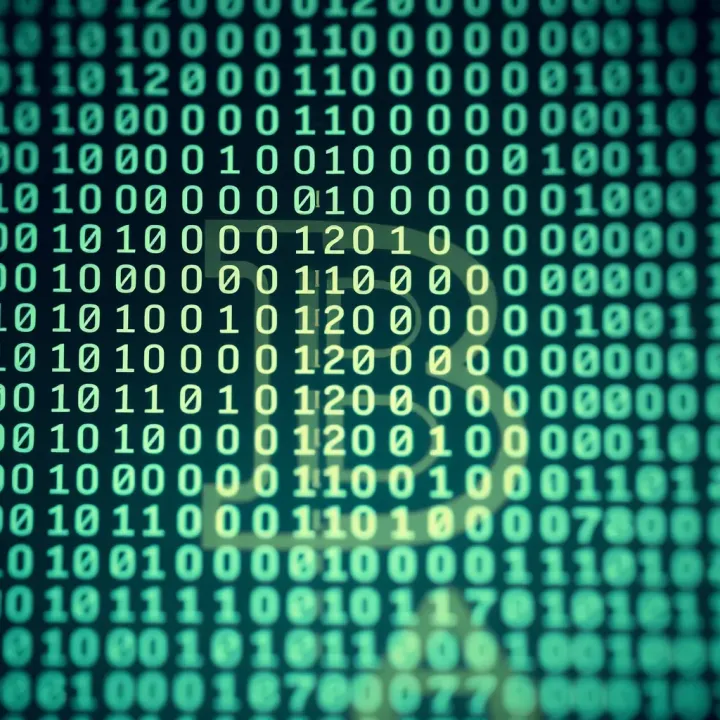
Converting the letter 'B' into its binary form is key to understanding how digital devices process text. Computers work with binary numbers, so every character, including 'B', needs representation in bits—0s and 1s—to be understood and stored. This conversion helps in everything from typing a text message on your mobile to data storage in complex financial databases.
ASCII, or the American Standard Code for Information Interchange, assigns a unique decimal number to nearly every character on your keyboard. This system acts as the bridge between human-readable text and machine-readable data. Without ASCII, computers wouldn’t know how to interpret letters or symbols.
For the letter 'B', ASCII assigns the decimal value 66. This number is what computer systems actually recognise when you hit the 'B' key. Storing this decimal code in binary means your laptop or smartphone can display 'B' correctly.
The ASCII standard was designed to cover English alphabets, digits, and some control characters, making it widely useful for communication and computing. It supports both uppercase and lowercase letters, where each letter has a distinct ASCII code. This separation is why 'B' and 'b' have different codes and hence different binary representations—vital for applications where case sensitivity matters, such as passwords or programming.
To convert 'B' to binary, you start with its decimal ASCII code, which is 66. Understanding this decimal value is crucial because all further steps depend on it. For example, if you get the decimal wrong, the binary output will represent a different character entirely.
Next, you convert decimal 66 into binary digits. This involves dividing 66 repeatedly by 2 and noting the remainders. The process gives you 1000010 in binary. This sequence of 0s and 1s is how the computer stores and communicates the letter 'B'.
Finally, the binary representation 1000010 uniquely identifies 'B' in digital systems. This clear identification allows software and hardware to process text reliably. Whenever you type 'B', this binary code is fetched from memory or sent across networks, ensuring the letter appears exactly as intended.
Understanding this conversion process not only clarifies how text works at the machine level but also demystifies everyday computing tasks involving data encoding and transmission.
Binary representation of characters like the letter 'B' plays a fundamental role in how computers and digital devices understand and manage text. Every letter, number, or symbol you see on screen is stored as a sequence of bits, each representing a 0 or 1. This simple system allows complex information, including languages and scripts, to be processed and transmitted efficiently.
Characters are stored in memory as binary codes following standards such as ASCII or Unicode. Each character, including 'B', corresponds to a unique binary sequence that computers recognise instantly. This enables quick storage and retrieval in everything from word processors to smartphones. Essentially, the letter 'B' isn't stored as a shape, but as the binary sequence 01000010, saving space and ensuring uniform decoding.
In texting and typing applications, binary codes are the backbone of communication. Whether you're typing a message on WhatsApp or writing an email via Gmail, each character converts to binary, allowing devices to send data swiftly over networks. This conversion from text to binary ensures messages retain their exact content regardless of the device or platform, keeping communication seamless.
Indian tech platforms like Paytm, Flipkart, and PhonePe rely heavily on efficient binary encoding to manage vast volumes of textual data. For example, during festive sales when millions send messages or interact with chatbots, binary encoding ensures minimal data loss and fast processing, making transactions and communication reliable.
When transmitting text across networks, data converts to binary to match the digital nature of communication channels. This binary transmission is essential for syncing emails, messages, or documents between devices. For instance, a letter 'B' typed on a mobile device converts into binary before being sent over the internet, where the recipient’s device decodes it back into text.
Encryption technologies also rely on binary sequences to secure data. Encryption algorithms transform binary data into coded forms that are hard to interpret without proper keys. This reliance on binary enables secure banking transactions, online shopping, and private messaging through robust methods like AES or RSA encryption.
Security concerns in digital messaging arise from the vulnerability of binary data during transmission. Techniques such as end-to-end encryption use binary encoding to make intercepted messages unreadable to outsiders, a key feature of apps like Signal and Telegram. Indian cybersecurity frameworks now increasingly focus on strengthening such encryption methods to protect users from data breaches and cyber attacks.
Accurate binary encoding forms the foundation of digital communication and secure data exchange, making it indispensable in today’s technological ecosystem.
Understanding how the letter 'B' and other characters work in binary unlocks insights into the workings of everyday digital interactions, from simple texts to complex financial transactions.
Understanding tools and techniques to convert letters like 'B' into binary is essential for anyone working with data encoding, programming, or digital communications. These methods make binary conversion practical and accessible, whether you're automating processes through code or learning manual approaches to deepen your comprehension.
Free online converters provide a quick and convenient way to convert letters to binary without needing technical expertise. Websites such as RapidTables, ConvertBinary.com, or Browserling offer easy input fields where you can type a letter, and instantly get its binary code. This helps especially when you deal with large texts or want to verify your manual conversion results.
Programming languages like Python and JavaScript also simplify binary conversion. For instance, in Python, you can easily convert the letter 'B' with bin(ord('B'))[2:], which outputs 1000010. JavaScript offers a similar expression: 'B'.charCodeAt(0).toString(2). Coding these conversions automates tasks in software development, saving time and minimising human error.
For beginners, start with these online converters to familiarise yourself with binary patterns. Gradually, experimenting with simple code snippets enhances your confidence. Remember to test your conversions using different tools to cross-check results. This habit builds both accuracy and understanding.
The division method breaks down decimal numbers into binary by repeatedly dividing by two and noting remainders. To convert the ASCII value 66 of letter 'B', divide by two and record remainders until the quotient is zero. Reading remainders from last to first gives the binary 1000010. This technique cements foundational knowledge of how binary digits build up.
Validating results is important after manual conversion. You can cross-check by converting the binary back to decimal or using an online converter. This ensures no missteps happened while recording remainders or interpreting digits.
While automated tools excel for speed, manual approaches matter when learning basics or troubleshooting digital communication devices. Manual methods help understand errors during transmission or teach coding principles more firmly. Use manual conversion exercises especially in educational or low-tech environments where software may not be accessible.
Mastering both online and manual methods equips you with versatile skills to handle binary conversion confidently, whether in classroom, coding, or professional data tasks.
Understanding some common questions about binary representation helps clear confusion, especially when dealing with characters like the letter 'B'. This section tackles key points about how letters differ from numbers in binary form and why case sensitivity matters. These clarifications provide a practical grasp for students and professionals working with digital data.
Binary for numbers and letters may look similar, but they serve very different purposes. Numeric binary values represent actual quantities; for example, the binary 00000110 equals the decimal 6. In contrast, binary codes for letters don’t represent numbers per se but character codes based on encoding standards like ASCII (American Standard Code for Information Interchange). Hence, the binary for 'B' (01000010) is not about counting but identifying the character in digital systems.
This difference is crucial when processing data. For instance, adding two binary numbers means real arithmetic, but combining two character codes requires different logic, such as string concatenation. Misunderstanding this can lead to errors in software or data transmission.
Letter binary codes start from specific values because ASCII reserves number ranges for different character types. Capital letters like 'B' fall between 65 and 90 in decimal ASCII, while lowercase letters range from 97 to 122. Thus, the binary for 'B' begins at decimal 66 (01000010), keeping English alphabets organised systematically. This order allows computers to quickly distinguish letters, punctuation, and digits, streamlining data encoding and retrieval.
Uppercase and lowercase letters have distinct binary codes due to their different ASCII values. For example, uppercase 'B' is 01000010 (decimal 66), while lowercase 'b' is 01100010 (decimal 98). This difference is essential for computers since 'B' and 'b' often carry different meanings in text, passwords, or programming variables.
In data storage and processing, recognising case sensitivity affects search functions, sorting, and security protocols. For instance, a password system must store and compare the exact binary codes for uppercase and lowercase letters to ensure safety. Likewise, in text processing, treating 'B' and 'b' as distinct ensures accuracy in documents and data handling.
Recognising these binary distinctions helps avoid mix-ups and supports precise data management, whether in banking software, coding, or file systems.
In summary, grasping the binary differences between numbers and letters, along with case sensitivity, forms the backbone of reliable computing systems and digital text processing. This knowledge is especially relevant for finance analysts, traders, and tech professionals who rely on exact data encoding for security and performance.
Discover how the letter 'A' converts into binary code using ASCII, with insights on bit representation 🔢 and error detection in India's digital communications 📱.

Learn how the letter 'A' is coded in binary, exploring ASCII and Unicode standards, plus how computers process text with this simple yet vital character 💻🔤
Learn how binary to decimal decoders work, their circuit designs, and practical uses in digital electronics, with examples relevant to Indian technology 🇮🇳💻

🔍 Discover how binary search efficiently finds elements in sorted arrays. Learn its implementation, advantages, common uses, and real coding tips for better results.
Based on 11 reviews