
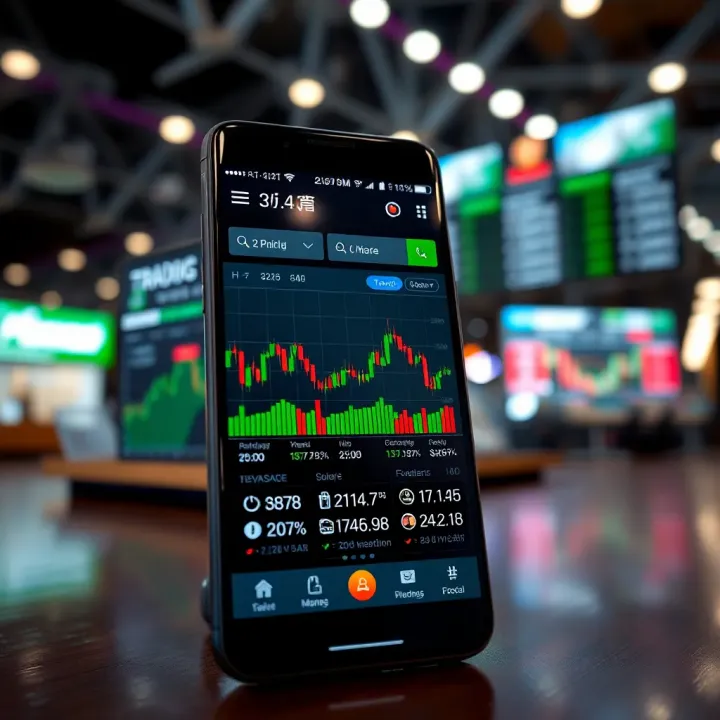
Understanding Mobile Trading Apps in India
📱 Explore mobile trading apps in India—key features, benefits, security tips, and smart choices to trade effortlessly anytime, anywhere with confidence.
Edited By
Oliver Mitchell
1 minute trading apps have gained traction among traders aiming to profit from quick market movements. These apps focus on short-duration trades, typically lasting just 60 seconds, offering a chance to capitalise on rapid price fluctuations in stocks, futures, and options. In India’s dynamic financial environment, such apps appeal to those who prefer active, hands-on trading over longer-term investments.
The core idea behind 1 minute trading is to enter and exit positions swiftly to catch small market swings. This makes speed, reliability, and intuitive design essential app features. Popular apps like Zerodha Kite, Upstox Pro, and Angel One’s trading platform provide tools tailored for rapid order placement and live price updates – this speed can make or break profits in such brief trades.
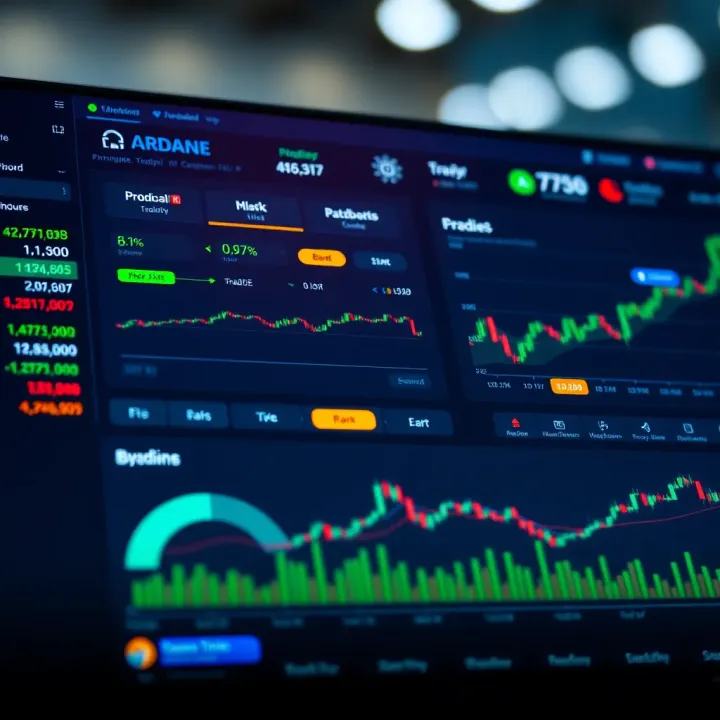
Quick trades can magnify gains but also amplify risks, making informed and disciplined use of these apps a must.
A typical 1 minute trading app includes:
Real-time charts with candlestick views zoomed to the 1-minute timeframe
Instant order execution with minimal lag
Customisable watchlists to track in-demand stocks or derivatives
Alerts and notifications for price thresholds or order status
Risk management tools like stop-loss triggers
These features support traders in making snap decisions without being overwhelmed. However, trading within such tight windows also requires a clear strategy and strict adherence to risk limits. Many traders use these apps alongside systematic investment plans (SIP) or basket orders to balance fast trades and more stable investments.
Moreover, understanding market volatility and liquidity is crucial. In India, high volumes in indices like Nifty 50 or Sensex stocks often provide sufficient liquidity for timely order fills in 1 minute trading. Conversely, lesser-known stocks may suffer from delays or price slippage.
In this article, we will explore the main features you should look for in a 1 minute trading app, weigh the benefits and pitfalls, and share practical tips to trade smartly using these tools. By the end, you should have a better grasp of how these apps function and whether quick trading fits your style and goals.
1 minute trading apps are designed for traders who focus on very short-term price movements within the market, typically those executing trades that last just a few minutes or even seconds. These apps provide access to real-time market data and tools to place and manage trades quickly on tight time frames. They suit intraday traders who want to capitalise on minute-by-minute fluctuations in stocks, futures, or options.
Intraday trading basics: Intraday trading involves buying and selling financial instruments within the same trading day. Traders aim to profit from short-term price changes, closing all positions before the market shuts to avoid overnight risks. This style demands quick decisions and reliable tools to track price movement closely throughout the day.
The concept of 1 minute time frame trades: Unlike typical intraday charts showing 5-minute or 15-minute intervals, 1 minute trading monitors price changes every minute. This granularity helps spot immediate trends and reversals useful for scalpers and momentum traders. The short time frame requires apps to update data instantly and execute orders swiftly to capture these fleeting opportunities.
Applicable asset classes in Indian markets: In India, 1 minute trading is popular among traders dealing with equities listed on the NSE and BSE, along with derivative contracts like stock futures and options. Currency futures and commodities also feature in this segment. This diversity gives traders multiple avenues to exploit short bursts of volatility, provided the app supports seamless access to these segments.
Real-time market data and order execution: These apps depend heavily on receiving live price updates with minimal delay. Even a few seconds' lag can cost a trade here. Reliable apps connect through fast data feeds and direct market access, allowing users to place orders that reflect the current best available prices on exchanges such as NSE or BSE.
User interface design for quick decision-making: The UI must present complex data clearly without clutter, enabling traders to react instantly. Features like 1 minute candlestick charts with zoom and scroll, immediate access to order book data, and one-click buy/sell buttons help shorten the reaction time. For example, Zerodha Kite offers an uncluttered layout so users can spot patterns and act fast.
Integration with major Indian brokers and exchanges: Effective 1 minute trading apps integrate seamlessly with brokers like Zerodha, Upstox, and Angel One, and directly connect to NSE and BSE platforms for quick order routing. This integration ensures users don't face delays caused by intermediary layers and enjoy smoother execution flow, which is crucial for the fast-paced nature of 1 minute trades.
When every second counts, the technology and design behind these apps must deliver lightning-fast updates and execution to keep pace with rapid market changes.
In summary, 1 minute trading apps bring the power to spot and act on quick market moves right to your fingertips, combining real-time data, smart design, and strong broker integrations. This makes them an essential tool for traders aiming to profit on India's dynamic intraday markets.
Choosing the right 1 minute trading app depends heavily on features that ensure quick execution and smart decision-making. Since trades happen within brief intervals, even a slight lag or missing tool can affect profits significantly. Here, we explore the core features that help traders stay ahead and manage risks effectively.
Low latency order placement involves minimizing the time between a trader hitting the 'buy' or 'sell' button and the order reaching the exchange. In 1 minute trading, where decisions happen on the fly, this fraction of a second can be make-or-break. For example, Zerodha Kite leverages technology to keep delay minimal, letting you lock in prices faster compared to slower platforms.
This speed becomes even more crucial during volatile market hours when prices shift rapidly. If an app delays order execution, you may end up buying at a higher price or selling for less, impacting your overall returns. So, ensure the app you pick promises low latency and performs well under pressure.
Stable connectivity in varied network conditions is the other side of the speed coin. Given India's diverse internet infrastructure, your trading app must work smoothly on both 4G and slower networks without frequent disconnections. Apps like Upstox Pro Mobile offer optimised data usage, handling weak signals better to avoid order failures or freezes.
This reliability helps prevent missed opportunities or unexecuted stop losses during sudden network dips. Without steady connectivity, your timing for those crucial 60-second trades can easily get thrown off, leading to losses.
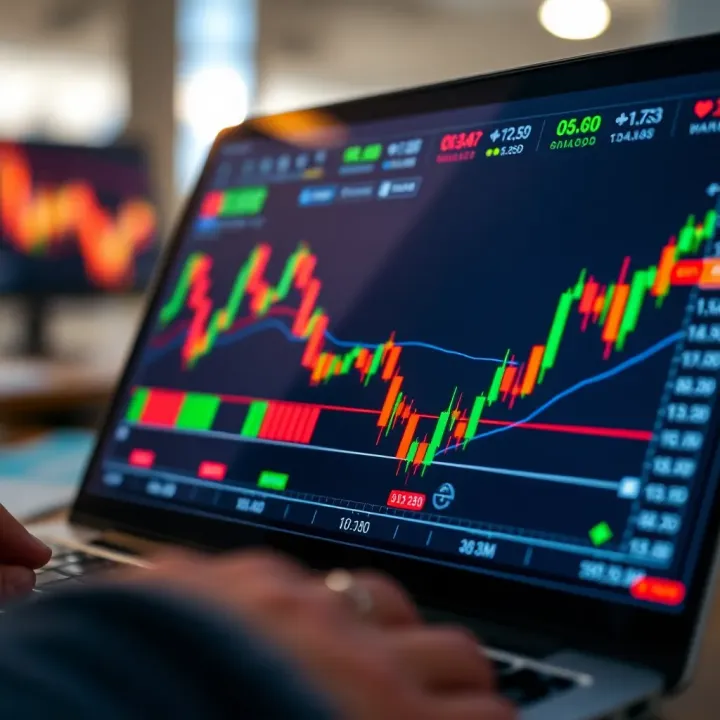
Having access to 1 minute candlestick charts is non-negotiable. These charts display price movements in one-minute segments, allowing traders to spot short-term trends and reversals precisely. For instance, Angel One Mobile App offers interactive candlestick charts that help traders quickly interpret market sentiment within each brief window.
Without such charts, you’d be flying blind, trying to guess price shifts instead of tracking actual market behaviour. Smooth zoom and scroll features also matter since you might want to compare recent minutes at a glance.
Technical indicators suitable for short-term trading, like Moving Averages, Bollinger Bands, and RSI (Relative Strength Index), help identify entry and exit points quickly. These tools focus on price momentum and volatility, which play a big role in 1 minute trades.
For example, a 5-period Moving Average crossover might signal a trading opportunity within seconds. Many good apps allow you to customise these indicators and combine them to suit your strategy. Without these, making informed quick calls becomes a guessing game.
Stop loss and target setting options safeguard your capital during fast trades. Since market swings in 1 minute trading can be sharp, predefined stop losses prevent large unexpected losses if the trade moves against you. You can set a stop loss at, say, 0.2% below the purchase price to cap downside.
Similarly, setting profit targets helps keep emotions in check. When your target is met, the app automatically books the profit. These features are available on apps like 5Paisa and Groww, helping traders enforce discipline without manual intervention.
Real-time trade alerts and notifications keep you updated on price changes and execution status, enabling faster reactions. For example, if your stop loss is triggered or a target is achieved, the app sends instant alerts so you can verify or adjust your strategy swiftly.
These notifications also assist in tracking market news or sudden volatility spikes affecting your selected stocks or futures. In a 1 minute time frame, delayed information can lead to missed exits or entries, making these alerts critical to effective trading.
Quick order execution, reliable connectivity, sharp charting tools, and robust risk management features combine to make 1 minute trading apps effective for short-term traders. Choosing an app without any of these crucial elements can cost you dearly in fast-paced markets.
Choosing the right app is essential for effective 1 minute trading, especially in India's fast-moving markets. Popular apps offer tailored features that handle rapid trades while ensuring reliability and user-friendly interfaces. Traders benefit from apps backed by strong brokerage networks and those focused solely on quick trades, as both categories serve distinct needs.
Zerodha Kite is a leading choice among Indian traders for its robust technology and seamless integration with the broader Zerodha ecosystem. Its low latency order execution suits 1 minute trading, where speed matters. The app provides detailed 1 minute candlestick charts and a range of technical indicators like RSI and MACD, helping traders spot opportunities quickly. Plus, Zerodha's wide user base ensures regular updates based on trader feedback, enhancing stability under volatile market conditions.
Upstox Pro Mobile shines because of its lightweight design paired with powerful trading tools. Its use of API-driven technology means less lag during order placement, a critical feature in 1 minute trading. Traders get access to live market depth and heat maps, enabling quick assessment of price action. The app also handles futures and options trades efficiently, which appeals to those who prefer derivatives in high-frequency trades.
Angel One Mobile App caters well to beginners and intermediate traders focusing on rapid intraday trades. Its intuitive layout reduces clutter, making it simpler to execute quick decisions. Advanced charting tools support multi-timeframe analysis, including 1 minute frames, while alerts and customised watchlists assist in managing multiple trades with ease. Angel One’s integration with mutual funds and SIPs adds a layer of portfolio diversification outside quick trading.
5Paisa is known for cost-effective trading with a focus on quick order execution and minimal downtime. Its app offers a straightforward interface with hotkeys and one-click trading options ideal for quick entries and exits. Plus, 5Paisa supports algo trading strategies, which some fast traders find useful for automating routine trades on 1 minute charts.
Groww, while traditionally investment-oriented, has sharpened its trading features in recent updates. It now supports intraday trades with real-time market data and decent charting tools, making it a no-nonsense option for those who want to combine long-term investing and fast trades without jumping between platforms. The app’s easy navigation suits users from tier-2 and tier-3 cities where app simplicity matters alongside speed.
Samco Trader specialises in short-term trading, offering a range of tools for precision and speed. The app provides customisable dashboards and lightning-fast order execution, often preferred by experienced traders. Its integration with SEBI-regulated exchanges ensures compliance and safety, critical when executing volatile 1 minute trades. Samco’s risk management tools also help prevent big losses in hectic market conditions.
Picking the right 1 minute trading app depends on your trading style, speed requirements, and platform preferences. Established brokers bring trust and wide support, while independent platforms offer specialised features for quick trades.
Selecting the app that fits your pace and strategy will improve your chances of success in intraday markets.
When trading on 1 minute time frames, risks multiply because markets move fast and decisions need to come quickly. Understanding these challenges helps traders manage them better and avoid unnecessary losses. The volatile nature of rapid trades, emotional strain, and technical issues all play a significant role in daily trading outcomes.
Impact on trade execution: In 1 minute trading, prices can swing sharply in moments. This means your order may not execute exactly at the price you see on screen. For example, if a stock price is ₹1,200 at one second and changes to ₹1,205 the next, a buy order placed at ₹1,200 could fill at ₹1,205 or higher. Such execution delays affect profit margins seriously during fast trades.
Market slippage risks: Slippage refers to the difference between the expected price of a trade and the actual transaction price. In highly volatile segments like options or futures, slippage can eat into profits or worsen losses. For instance, when the markets open volatile, a stop loss order might not trigger at your set price, instead executing at a worse level due to rapid price changes. This is particularly impactful in 1 minute trading where tight profit and loss targets leave little room for error.
Stress from quick decisions: Rapid trading demands constant attention. Traders must absorb information and act within seconds, which can induce stress. This pressure often leads to impulsive trades, moving away from a planned strategy. For example, during sudden market swings, traders might panic and close positions prematurely or enter trades without proper analysis.
Managing emotions during fast trades: Emotional control is essential in avoiding losses caused by fear or greed. Techniques like setting fixed stop loss levels and abiding by them reduce emotional interference. Some traders use mindfulness or take regular breaks to prevent burnout. Using tools like alerts within apps also helps by signalling when to act, cutting down on guesswork and emotional overdrive.
Connectivity problems affecting orders: Trading relies heavily on stable internet connections. In India, fluctuations are common, especially in tier-2 and tier-3 cities with inconsistent network coverage. A temporary drop can delay or prevent order execution, leaving positions exposed. Traders may miss critical entry or exit points, impacting results.
App crashes and data reliability: Despite advances, apps can crash or display outdated market data, interrupting decision-making. For example, if an app freezes during a volatility spike, traders cannot place or modify orders quickly, increasing downside risk. Choosing an app known for reliability and testing it using demo accounts can help spot such issues early.
Successful 1 minute trading depends not only on skills but also on anticipating and managing risks linked with volatility, psychological factors, and technology failures. Addressing these challenges improves chances of consistent results in fast-paced markets.
When trading on 1 minute intervals, precision and discipline become essential since the market moves swiftly. Relying on best practices not only improves your chances of success but also helps manage the risks tied to such rapid trades. Let's explore some key approaches known to improve trading efficiency.
Using technical indicators like moving averages, RSI (Relative Strength Index), or Bollinger Bands on 1 minute charts helps pinpoint opportune moments to enter or exit trades. For example, if the RSI crosses above 70 quickly, it might signal an overbought condition in that short timeframe, suggesting a pullback. Combining multiple indicators can reduce false signals and improve trade accuracy.
Precision here is crucial because even small delays or uncertainties in entry/exit increase the risk of loss due to fast price fluctuations. This is why many traders set alerts or pre-define their entry and exit levels before market hours.
Stopping losses early shields you from rapid adverse moves common in high-frequency trading. Setting a stop loss—say 0.2% below your entry price—automatically exits your position when the market turns against you. Equally, fixing profit targets helps lock in gains before prices reverse.
For instance, if you buy a stock at ₹500 expecting a quick rise, setting a stop loss at ₹498 and a target at ₹505 creates a structured plan. This way, you're not caught hesitating or acting emotionally during fast market swings—a common mistake in 1 minute trading.
A well-defined trading plan spells out your entry and exit rules, risk limits, and when to trade or stay out. Sticking to this plan keeps impulsive decisions at bay, which often lead to losses.
Suppose your strategy is to trade only between 9:30 am to 11:00 am when volumes are higher. Following this ensures you avoid late-day choppiness. Deviating from such plans, even once, can encourage reckless risk-taking that snowballs.
Sometimes the market moves sideways or becomes noisy, increasing the chances of false signals. Knowing when to take a break helps preserve capital and mental clarity. This could be after a series of losing trades or when volatility spikes unexpectedly.
Traders often set daily loss limits; reaching this threshold signals time to stop for the day. This discipline prevents revenge trading—a pitfall where one tries to recoup losses quickly without a plan.
Demo accounts mimic real market conditions without requiring actual money. Using them lets you experiment and validate your 1 minute trading strategies with zero financial stress.
For example, trying different indicator combinations or entry timings on a demo account helps fine-tune your approach before going live. This reduces costly rookie mistakes.
Each trading app has unique functionalities like order types, chart tools, or alerts. Spending time on a demo helps you master these features so that you can execute trades swiftly and confidently.
Knowing how to quickly place limit orders or set stop losses on your particular app during volatile moments makes a tangible difference. In 1 minute trading, every second counts.
Practising on demo accounts, sticking to a trading plan, and using clear technical setups protect you from unnecessary losses and emotional pitfalls. These best practices turn fast trading from risky guesswork into a structured activity.
Following these approaches can help you trade smarter on 1 minute trading apps and improve your chances of consistent profits over time.
📱 Explore mobile trading apps in India—key features, benefits, security tips, and smart choices to trade effortlessly anytime, anywhere with confidence.
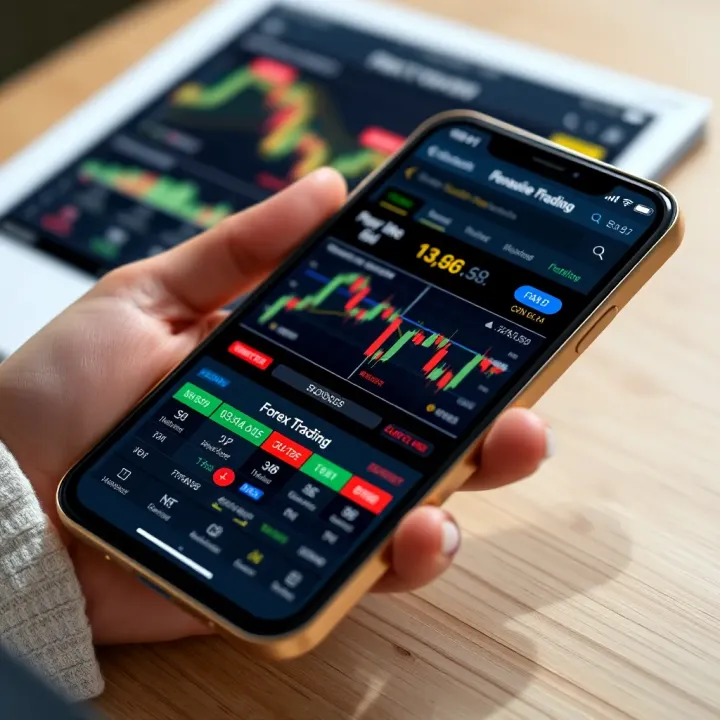
Explore the best forex trading apps in India 📱 comparing features, usability, and regulation compliance to help you trade securely with ease and confidence.
Explore top trading apps in India 📱 Compare fees, security, user experience & features to find the best platform for beginners and pros alike! 💹
📈 Explore India's most trusted trading apps with insights on security, costs, user ratings & tech support—pick the best platform for your trades today!
Based on 13 reviews