

Binary to Decimal Decoders: Basics and Uses
Learn how binary to decimal decoders work, their circuit designs, and practical uses in digital electronics, with examples relevant to Indian technology 🇮🇳💻
Edited By
Amelia Watson
Binary fission is how most bacteria multiply, allowing their numbers to increase quickly when conditions suit them. Unlike complex organisms, bacteria do not undergo sexual reproduction. Instead, they split into two identical daughter cells through this simple yet effective process.
At its core, binary fission involves the replication of the bacterial chromosome followed by the division of the cell. This ensures that each new bacterium carries a full copy of genetic material. For example, Escherichia coli (E. coli), a commonly studied bacterium, can divide roughly every 20 minutes under optimal conditions, which can lead to rapid population growth.
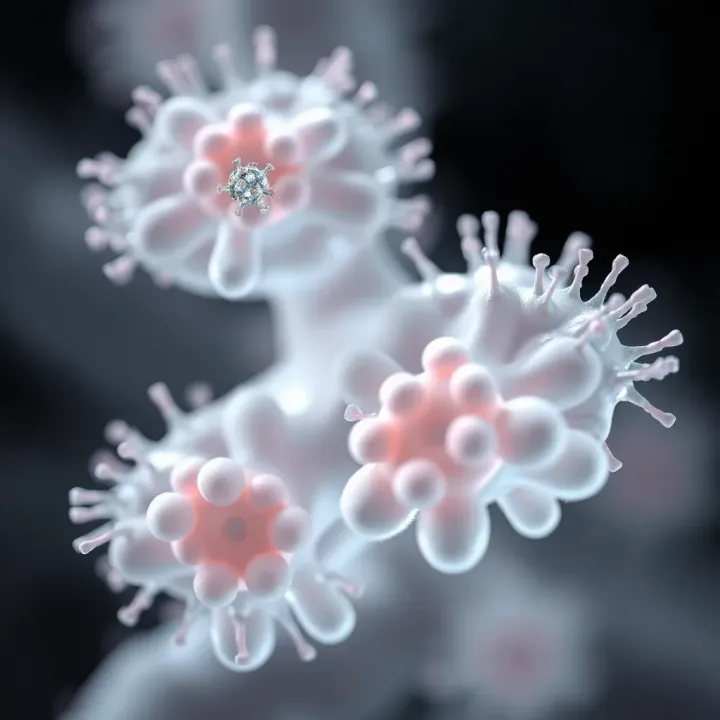
The process begins with the duplication of the single circular DNA molecule. This genetic replication happens at a specific region called the origin of replication. Soon after, the cell elongates, separating the two copies of DNA. A constriction forms near the centre, creating a septum that eventually divides the parent cell into two separate cells.
This efficient reproduction method enables bacterial colonies to adapt swiftly to changing environments, making them resilient and sometimes challenging to control in medical and industrial settings.
Key stages in binary fission include:
DNA replication
Cell growth and elongation
Septum formation
Cytokinesis (final separation)
Understanding these stages helps researchers develop antibiotics targeting specific phases, potentially stopping bacteria from multiplying. Moreover, binary fission's role extends beyond reproduction; it influences how bacteria evolve resistance, impacting public health and treatment strategies.
In industries like biotechnology, harnessing bacteria's fast reproduction via binary fission proves invaluable. For example, bacteria engineered to produce insulin can be grown quickly for large-scale pharmaceutical production.
Grasping how binary fission works offers insights not just into bacterial life cycles but also into managing bacterial growth in health, agriculture, and technology sectors efficiently and effectively.
Understanding the basics of bacterial reproduction is essential because it forms the foundation for comprehending how bacterial populations grow, adapt, and survive in various environments. This knowledge helps in fields like medicine, agriculture, and biotechnology, where managing bacterial growth is often crucial.
Bacteria are single-celled microorganisms that can multiply rapidly under the right conditions. Their ability to grow depends on factors such as nutrient availability, temperature, and pH levels. For example, Escherichia coli, common in the human gut, multiplies quickly when provided with a rich nutrient medium at the right temperature, making it a favourite model organism in research. This rapid growth allows bacteria to colonise new environments and sometimes cause infections.
Bacteria mainly reproduce through binary fission, a straightforward process where one cell divides into two identical daughter cells. However, some bacteria can also reproduce by budding or fragmentation, although these methods are less common. Binary fission enables bacteria to grow their populations rapidly, doubling in number roughly every 20 minutes under optimal conditions. Such fast reproduction rates can lead to quick spread of both beneficial traits and harmful ones like antibiotic resistance.
Binary fission is more than just cell division; it’s the driving force behind bacterial adaptation and survival.
Different bacteria might adapt variations in reproductive strategies based on their environment—for instance, some form spores to endure harsh conditions before resuming active division. Recognising these differences is crucial for interventions, whether in developing antibiotics or biotechnological applications where bacteria produce enzymes or pharmaceuticals.
In short, the basics of bacterial reproduction set the stage for deeper insights into microbial life cycles, helping professionals across sectors predict behaviour, control growth, and harness bacterial potential effectively.
Binary fission is the fundamental method through which bacteria multiply, ensuring their swift growth and spread. Understanding the step-by-step process reveals how bacteria replicate their genetic material and divide efficiently, helping us grasp their adaptability in different environments.
The first step in binary fission involves the replication of the bacterial chromosome, which is typically a single, circular DNA molecule. Replication begins at a specific site called the origin of replication and proceeds bidirectionally, creating two identical DNA copies. This step is vital because it ensures each daughter cell receives an exact genetic blueprint. For example, Escherichia coli can complete this replication within 20 minutes under optimal conditions, showcasing bacteria's rapid reproduction.
Before replication completes, the cell prepares itself by increasing its volume and synthesising essential proteins. This preparation guarantees that the cell can support two separate entities post-division. If nutrient supply is poor, replication may slow down or halt, affecting overall reproduction rate. This highlights how bacterial growth tightly links to environmental factors.
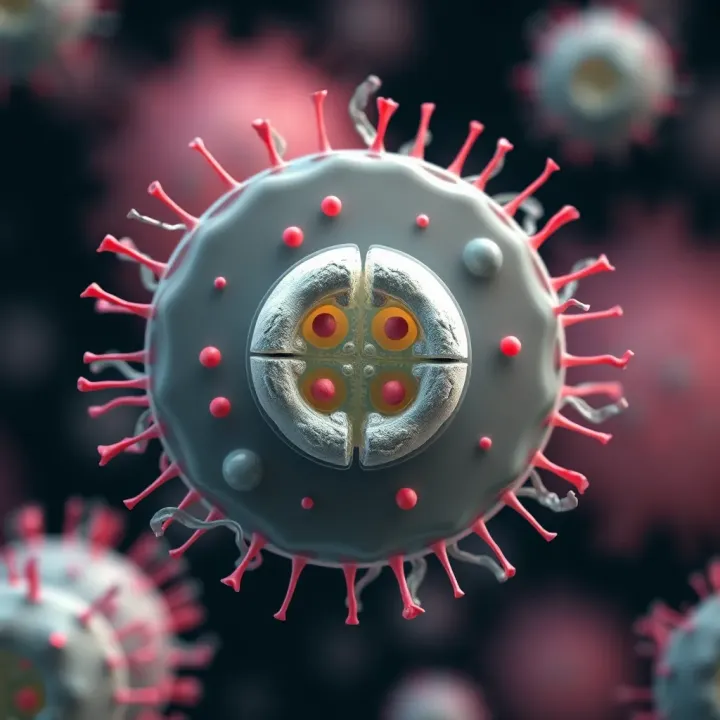
Once replication is done, the two chromosomes move to opposite poles of the cell in a carefully controlled process. Segregation ensures genetic material distributes evenly between the two future daughter cells. Proteins assist in gripping and separating the chromosomes, preventing any mixing or loss.
In some bacteria, such as Caulobacter crescentus, this segregation is visible as a tug-of-war-like movement along the cell’s length. Proper segregation is crucial; any error could lead to one daughter cell missing genes essential for survival, reducing fitness and possibly causing death.
The final stage, cytokinesis, involves the physical division of the cell into two separate bodies. A ring composed of proteins like FtsZ forms at the cell's midpoint and contracts, pinching the cell membrane to split it. This division must be timely and precise to avoid damage to genetic material.
After division, new cell walls form between the daughter cells, sealing them off completely. Both cells then enter their own growth cycles, ready to begin binary fission again.
The entire binary fission process can take as little as 20 minutes in favourable conditions, illustrating why bacteria can multiply so quickly. This rapid reproduction has practical implications, from bacterial fermentation industries to understanding antibiotic resistance spread.
Understanding each of these stages provides a clear picture of how bacteria sustain their populations. For professionals dealing with infection control or biotechnology, recognising these steps is essential to manage bacterial growth effectively or harness their reproductive power for beneficial applications.
The rate at which bacteria divide through binary fission varies widely based on several factors. Understanding these influences is valuable for industries relying on bacterial growth, such as fermentation, pharmaceuticals, and waste management, as well as in healthcare for controlling infections. By knowing what accelerates or slows bacterial division, professionals can optimise conditions or develop strategies against harmful bacteria.
Bacterial growth is closely tied to temperature. Most bacteria grow fastest within a specific temperature range—known as the optimum temperature. For example, E. coli thrives around 37°C, roughly the human body temperature. When conditions deviate too far from the optimum, growth slows or even stops. Similarly, pH impacts enzyme activity inside bacteria. Acidophiles prefer acidic pH (below 5), while alkaliphiles grow best in alkaline settings (above pH 9). Controlling temperature and pH in industrial fermenters or hospital environments can therefore influence bacterial proliferation.
Division depends heavily on access to nutrients like carbon sources, nitrogen, and minerals. Nutrient-rich environments prompt bacteria to divide rapidly. For instance, lactose presence boosts E. coli reproduction if the bacteria possess the lac operon machinery. Conversely, nutrient scarcity leads to slower growth or dormancy. In wastewater treatment plants, for example, maintaining balanced nutrient levels ensures the efficient breakdown of organic waste by bacteria.
Oxygen availability affects species differently. Aerobic bacteria require oxygen for fast growth, so low oxygen levels hamper their rate of binary fission. In contrast, obligate anaerobes are harmed by oxygen and divide faster in its absence. Facultative anaerobes adjust depending on conditions. Managing oxygen in bioreactors or infected tissue environments thus directly influences bacterial growth rates.
Not all strains behave the same way. Genetic differences influence division speed, stress resistance, and metabolic rates. For example, some Mycobacterium tuberculosis strains grow slowly even under ideal conditions, while Vibrio cholerae divides quickly. Knowing strain-specific growth characteristics aids in tailoring treatments or optimising industrial bacterial cultures.
Individual bacterial cells need sufficient energy, often stored as ATP, to complete binary fission. Damaged cells or those low on energy reserves will take longer to divide or might halt division entirely. This explains why stressed bacteria from environmental hazards, like UV exposure or antibiotic pressure, show slower replication. Ensuring bacterial cultures have energy substrates supports robust reproduction, important for both research and bioproduction.
Effective control or promotion of bacterial binary fission hinges on manipulating both external conditions and intrinsic bacterial factors, making this knowledge crucial for multiple fields from medicine to biotechnology.
Bacterial reproduction primarily relies on binary fission, but it's important to note that not all bacteria follow this process in the same manner. Understanding variations and exceptions helps in grasping bacterial adaptability, which has implications in medical treatment and industrial processes. Different bacterial groups may exhibit subtle differences in how binary fission takes place, and some bacteria also employ alternative methods altogether.
While binary fission remains the cornerstone for bacterial growth, the details can vary based on the bacterial group. For example, Gram-positive bacteria like Bacillus species often show a thick peptidoglycan layer influencing the mechanics of cell division. In contrast, Gram-negative bacteria such as Escherichia coli have a thinner cell wall and an outer membrane that affects how the septum forms during cytokinesis.
Another key difference relates to the bacterial shape: rod-shaped bacteria may elongate significantly before splitting, whereas cocci (spherical bacteria) tend to divide with less elongation. Certain groups, including Mycoplasma, with no rigid cell walls, display more flexible division processes. These variations affect growth rates and how bacteria respond to antibiotics targeting cell wall synthesis.
Budding is one such alternative reproduction method seen in some bacterial species. Unlike binary fission, budding produces a smaller daughter cell from a protrusion or bud on the parent cell. For instance, Caulobacter crescentus, a freshwater bacterium, reproduces via budding. This process allows asymmetric division, where the daughter cell often differs in function or mobility, helping the population adapt to varying environments.
Budding's relevance lies in how it diversifies bacterial roles within communities — the smaller, mobile cells might colonise new niches faster. This strategy can have practical implications in environments where nutrient distribution is patchy, allowing bacteria to spread efficiently without relying solely on symmetric division.
Fragmentation is another less common reproductive method, occurring when bacterial filaments or chains break into several viable segments, each capable of growing independently. Streptomyces, known for producing antibiotics, grows as a filamentous network and reproduces by fragmentation. When external forces or internal cell mechanisms cause breaks, each fragment develops into a full bacterium.
This method suits bacteria in soil or complex environments where spreading physical fragments can quickly establish colonies in diverse locations. Fragmentation also contributes to resilience, as damaged filaments can self-repair through new growth from fragments, which has practical value in industrial fermentation and antibiotic production.
These variations show that bacterial reproduction is not one-size-fits-all but tailored to ecological niches and survival strategies. Knowing these differences aids in developing targeted antibacterial treatments and optimising bacterial use in industry.
In summary, while binary fission is key, bacteria display fascinating variety in how they reproduce, making the study of their division mechanisms both complex and essential.
Binary fission, as the primary mode of bacterial reproduction, holds significant implications in both medicine and industry. Its rapid and efficient way of producing new bacterial cells not only influences infection dynamics but also underpins many biotechnological applications.
Binary fission directly impacts how antibiotic resistance spreads among bacterial populations. When a bacterium undergoes this process, it replicates its DNA, which can include genes that confer resistance to antibiotics. If a mutation or acquisition of resistance takes place before division, the resulting daughter cells inherit this trait, allowing the resistant strain to quickly multiply.
This rapid propagation is a key reason why bacterial infections sometimes become harder to treat. For instance, drug-resistant strains of Mycobacterium tuberculosis or Staphylococcus aureus can multiply swiftly via binary fission, leading to outbreaks that standard antibiotics fail to control. Moreover, binary fission helps maintain the resistance gene in the population even when antibiotic pressure is low, making eradication more challenging.
Continuous monitoring of bacterial growth and resistance patterns is essential to adjust medical treatments effectively.
Binary fission allows bacteria to reproduce recombinant DNA quickly, making them excellent hosts for genetic engineering. Scientists insert specific genes into bacterial plasmids—circular DNA molecules separate from the main chromosome—and when bacteria divide, they pass these plasmids to their offspring. This method is widely used to produce proteins or enzymes, such as insulin or growth hormones.
The simplicity and speed of binary fission enable large-scale production of genetically modified bacteria in bioreactors. For example, Escherichia coli modified to produce human insulin can double its population every 20 minutes under optimal conditions, ensuring efficient insulin supply at lower costs.
Apart from genetic engineering, binary fission is fundamental to producing various pharmaceuticals through bacterial fermentation. Antibiotics like penicillin and streptomycin are derived from bacteria and fungi reproducing rapidly in controlled environments. Large numbers of bacterial cells mean more yield of the desired product in less time.
This natural multiplication also lowers manufacturing costs, making medications more affordable, particularly important in India’s vast healthcare market. For instance, the large-scale production of antibiotics leveraged by binary fission supports treatment accessibility across urban and rural regions alike.
In summary, binary fission not only drives bacterial growth but also serves as a backbone for medical treatments and biotechnological advancements, making a clear understanding of this process vital for professionals and investors in health and industry sectors.
Learn how binary to decimal decoders work, their circuit designs, and practical uses in digital electronics, with examples relevant to Indian technology 🇮🇳💻

🔍 Discover how binary search efficiently finds elements in sorted arrays. Learn its implementation, advantages, common uses, and real coding tips for better results.
Explore binary tree depth concepts 📚, learn calculation methods, and see practical applications in data structures to enhance your coding skills effectively.

🔍 Compare linear and binary search algorithms with clear insights on how they work, their strengths, and when to use each for efficient searching.
Based on 8 reviews